
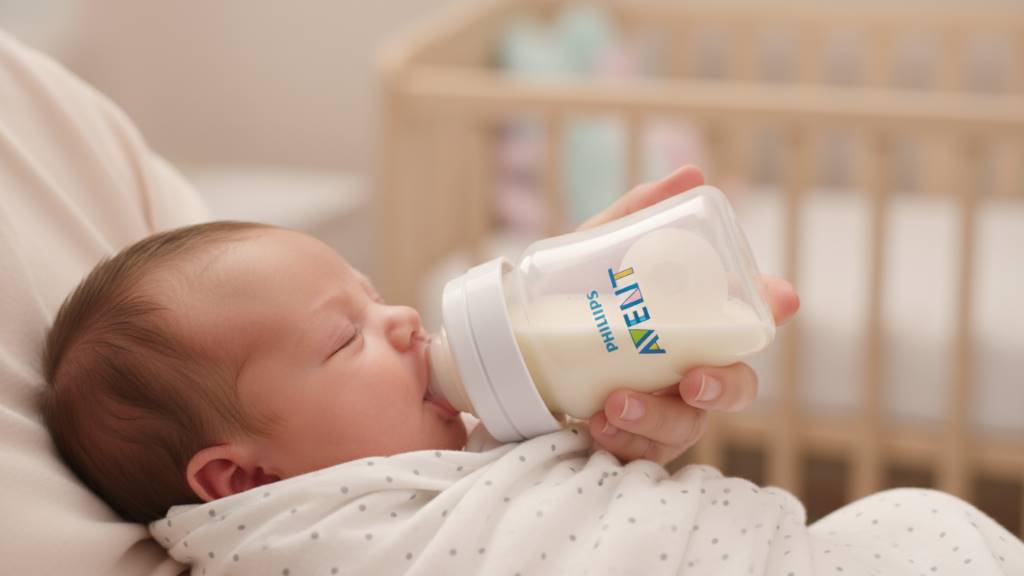
Philips Avent Anti-Colic Baby Bottle Review: Is It Worth It for New Parents?

Picture this. You rock your newborn through another sleepless night as cries fill the room from gas pains. Many new parents face this challenge. Colic affects up to 25 percent of infants in their first months, according to the American Academy of Pediatrics. This leads to endless fussing and discomfort for both baby and family. Anti-colic bottles aim to ease these issues by cutting down air intake during feeds. In this Philips Avent baby bottle review, we explore if these bottles truly deliver relief. Research from a 2021 observational study of 145 healthy babies shows that vented designs like these can cut fussing by 60 percent at night. Moreover, experts note proper bottle choices support better digestion. So, let’s see what makes this option stand out for tired moms and dads.
Understanding Colic and Why It Matters for New Parents
Colic brings intense crying spells in otherwise healthy babies. Doctors define it as crying for more than three hours a day, three days a week, for over three weeks. Parents often feel helpless during these episodes. Gas builds up in the tummy and causes pain. Swallowed air from feeding plays a big role here. Traditional bottles let air mix with milk, which babies gulp down. This creates bubbles in the stomach. As a result, discomfort spikes after meals.
New parents juggle many tasks. They learn feeding cues and soothe upset infants. Colic adds stress to this mix. Sleep loss affects everyone in the home. Studies show that persistent crying raises risks for parental anxiety. For instance, a PubMed report highlights how vented bottles cut fussing time. Moms in one survey reported 79 percent improvement with anti-gas designs. Therefore, choosing the right bottle matters a lot. It helps build calm routines early on.
Experts link colic to immature digestive systems. Babies’ guts develop over time. Air ingestion worsens symptoms like spitting up or reflux. Parents notice more burping needs too. Anti-colic features address these directly. They separate air from liquid flow. Consequently, feeds become smoother. Families gain more peaceful moments together.
Key Features of the Philips Avent Anti-Colic Baby Bottle
Philips Avent designs bottles with parents in mind. Their anti-colic line focuses on ease and function. Bottles come in various sizes to grow with your child. Plastic options offer lightweight handling. Glass versions provide a sturdy feel. Both resist stains and odors well.
The system integrates simple parts. You assemble them quickly for busy days. Cleaning takes little effort too. Dishwasher safe components save time. Additionally, the wide neck allows easy filling without spills.
Parents appreciate the compatibility. These bottles work with other Avent products like warmers. This creates a full feeding setup. For example, you switch nipples as baby ages. Flow levels adjust to match needs.

The AirFree Vent Technology
This vent stands as the star feature. It fits inside the nipple to keep it full of milk. Air stays out of the liquid path. Babies swallow less gas during sucks. Philips tested this in labs and homes. Results show reduced reflux issues.
You insert the vent before feeding. It clicks into place securely. During use, it directs air away from milk. Thus, feeds mimic natural breastfeeding more closely. Moms report fewer interruptions from burps.
However, proper positioning counts. Hold the bottle at an angle to maximize vent action. This ensures steady flow without leaks. Many users praise how it cuts down spit-up messes.
Nipple Design and Flow Options
Nipples shape like a breast for easy latching. Soft silicone feels gentle on gums. Textured ribs prevent collapse under suction. Babies maintain a good seal this way.
Flow speeds vary from slow to fast. Start with level one for newborns. Move up as they grow stronger. This matches developmental stages. For instance, premature infants benefit from slower paces.
Parents mix and match parts. You pair nipples with different bottles. Flexibility helps during transitions. Moreover, the design reduces nipple confusion for breastfed babies.
Bottle Materials and Durability
Philips uses BPA-free materials throughout. Plastic bottles withstand daily use without cracking. Glass ones offer heat resistance for sterilization. Both types hold up to repeated washings.
Ergonomic shapes fit small hands. Curved bodies make gripping simple. You hold them comfortably during long feeds. Additionally, clear markings show ounce levels accurately.
Users note the longevity. Bottles last through multiple children in families. This reliability builds trust over time.
How Philips Avent Bottles Help Reduce Gas and Reflux
These bottles tackle gas at the source. The vent system pulls air to the top. Milk flows purely to the nipple. Babies ingest fewer bubbles overall. A study in the Journal of Pediatric Gastroenterology confirms vented bottles lower air swallowing.
Reflux happens when milk comes back up. Air pressure contributes to this. By minimizing air, Philips Avent lessens episodes. Parents see calmer post-feed times. For example, one mom shared her baby’s naps improved right away.
Burping becomes easier too. Less gas means quicker relief. Hold baby upright after meals. Gentle pats release trapped air fast. Consequently, routines flow better.
Breastfed babies switch smoothly. The nipple mimics mom’s shape. This supports combo feeding without issues. Research from the American Academy of Pediatrics stresses consistent latch techniques.
Environmental factors play in too. Keep feeds upright to aid digestion. Avoid overfilling bottles. These tips boost the bottle’s effectiveness.
Pros and Cons Based on Real User Experiences
Users love the ease of assembly. Parts snap together without fuss. Cleaning goes quickly with wide openings. Many say it cuts colic symptoms noticeably.
Comfort stands out in reviews. Babies latch well from day one. The vent reduces fussing during nights. One parent noted 60 percent less crying overall.
Compatibility shines too. Bottles fit pumps and sterilizers seamlessly. This saves hassle for pumping moms.
On the flip side, some find the vent tricky at first. It requires correct insertion. Leaks occur if not placed right. A few babies still experience gas despite the design.
Durability varies by use. Heavy sterilization wears parts over time. However, replacements are easy to find.
Overall, positive feedback dominates. Awards like Best of The Bump 2024 back this up. Parents recommend it for gassy infants.
Related:
Baby Gate Durability Testing Tips
How to Ensure Baby Blankets Are Free From Harmful Dyes
Comparing Philips Avent to Other Anti-Colic Bottles
Dr. Brown’s bottles use a full vent tube. This removes air effectively. However, more parts mean extra cleaning. Philips Avent simplifies with one vent piece.
Comotomo offers soft silicone bodies. They feel squeezable like skin. Yet, they lack specific anti-colic vents. Philips provides targeted gas reduction.
Tommee Tippee features heat-sensing tech. Bottles change color for temp checks. But their vents sit at the base. Philips’ top vent keeps nipples full.
In tests, Philips scores high for flow consistency. Babies feed without pauses. This edges out competitors with variable performance.
Parents choose based on needs. If simplicity matters, Philips wins. For max air removal, Dr. Brown’s fits. Both reduce colic per studies.
Tips for Using Philips Avent Bottles Effectively
Start with clean hands and parts. Sterilize new bottles before first use. Boil or use a machine for safety.
Warm milk to body temperature. Test on your wrist. Babies prefer familiar warmth.
Position baby semi-upright. This aids swallowing. Keep the nipple full to engage the vent.
Pace feeds slowly. Let baby control the suck. This prevents overeating and gas.
Burp midway and after. Place baby over your shoulder. Rub circles on the back.
Store bottles properly. Keep vents separate to dry fully. This avoids mold risks.
Switch flows as needed. Watch for signs like frustration. Adjust to match growth.
Combine with tummy time. This strengthens muscles and aids digestion.
Track improvements. Note fussing times before and after. Adjust techniques accordingly.
Scientific Backing and Research on Anti-Colic Bottles
Research supports vented designs. A 2018 study in BMC Pediatrics compared teats. Vented ones reduced sucking interruptions.
Another PubMed paper on Dr. Brown’s showed less crying. Similar mechanics apply to Philips.
The Mayo Clinic notes probiotics help some. But bottles address mechanical causes.
AAP advises against propping bottles. Hold baby to monitor air intake.
A 2024 review in Frontiers examined feeding impacts. Vents alter gut flora positively by cutting gas.
Observational data from Philips involved 145 moms. They reported better comfort levels.
Experts agree early interventions matter. Bottles like these support development.
Case studies highlight success. One infant cut colic episodes in half.
Ongoing trials explore microbiome links. Less air means healthier bacteria balance.
These findings build confidence. Parents make informed choices.
Conclusion
Philips Avent anti-colic bottles offer solid features for gas relief. The AirFree vent and nipple design stand out. Users report real improvements in fussing and reflux. While not perfect for every baby, research backs their effectiveness. Compared to others, they balance simplicity and function. Tips like proper burping boost results. New parents gain a tool for calmer feeds. Give these bottles a try if colic disrupts your home. Your family might find the peace you need.
FAQs
What Age Can Babies Start Using Philips Avent Anti-Colic Bottles?
Newborns benefit right away. Start with slow flow nipples. Adjust as they grow. Always supervise early feeds.
Do Philips Avent Bottles Work for Breastfed Babies?
Yes, the nipple mimics natural shapes. This eases transitions. Many moms use them for combo feeding successfully.
How Often Should I Replace the Vent in Philips Avent Bottles?
Check for wear monthly. Replace if damaged. Clean after each use to maintain function.
Can Philips Avent Bottles Go in the Microwave?
Avoid microwaving. Use warm water baths instead. This prevents hot spots in milk.
Are There Any Side Effects from Using Anti-Colic Bottles?
Most babies adapt well. Some need time to latch. Monitor for any unusual reactions and consult a doctor.
References