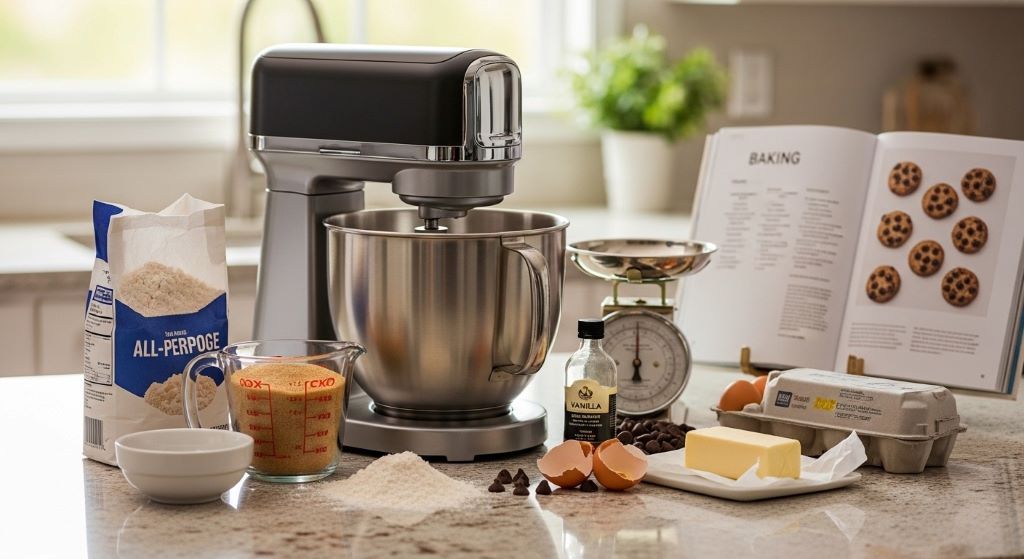

Stand mixers have become essential kitchen companions for both casual bakers and culinary enthusiasts. However, the wide range of prices can make shopping overwhelming. This guide will help you find a quality mixer that fits your budget while meeting your baking needs in 2026.
Understanding What You Really Need
Many shoppers fall into the trap of buying more mixer than necessary. Start by evaluating your actual baking habits. Do you bake occasionally for family gatherings, or do you run a small home bakery? Your usage pattern directly impacts which features matter most.
Consider the types of recipes you make regularly. Simple cookie dough and cake batters require less power than bread dough or thick pizza bases. Therefore, matching the mixer’s capabilities to your typical tasks prevents overspending on unused features.
Think about your kitchen space as well. Larger mixers offer more capacity but take up valuable counter space. Additionally, they often cost more due to their size and power. A compact model might serve you better if storage is limited.
Key Features That Affect Price
Understanding which features drive up costs helps you make informed decisions. Motor power is often the biggest price differentiator. Professional-grade motors handle heavy doughs easily but add significant expense. However, home bakers rarely need such robust power.
Bowl capacity varies from three quarts to eight quarts. Larger bowls accommodate bigger batches but increase the overall price. Moreover, they’re only worthwhile if you regularly make large quantities. Most home bakers find five-quart bowls perfectly adequate.
Construction materials also impact cost. Metal bodies last longer than plastic but come at a premium. Similarly, glass bowls cost more than stainless steel yet offer visibility during mixing. Evaluate whether these upgrades truly enhance your baking experience.
Smart Shopping Strategies for 2026
Timing your purchase can yield substantial savings. Retailers often discount kitchen appliances during specific seasons. Black Friday, post-holiday sales, and spring clearance events typically offer the best deals. Furthermore, many stores mark down last year’s models when new versions launch.
Shopping online opens up more opportunities for finding a budget stand mixer. Multiple retailers compete for your business, making price comparison easier than ever. Check several websites before committing to ensure you’re getting competitive rates.
Don’t overlook refurbished models from reputable sellers. Many manufacturers offer certified refurbished mixers with warranties at significantly reduced prices. These units have been inspected and repaired to meet original standards. Consequently, you get quality equipment without the new-product price tag.
Evaluating Different Price Ranges
Entry-level mixers typically cost between sixty and one hundred fifty dollars. These models handle basic tasks like mixing cake batter, whipping cream, and making simple doughs. They’re perfect for occasional bakers who don’t need heavy-duty performance.
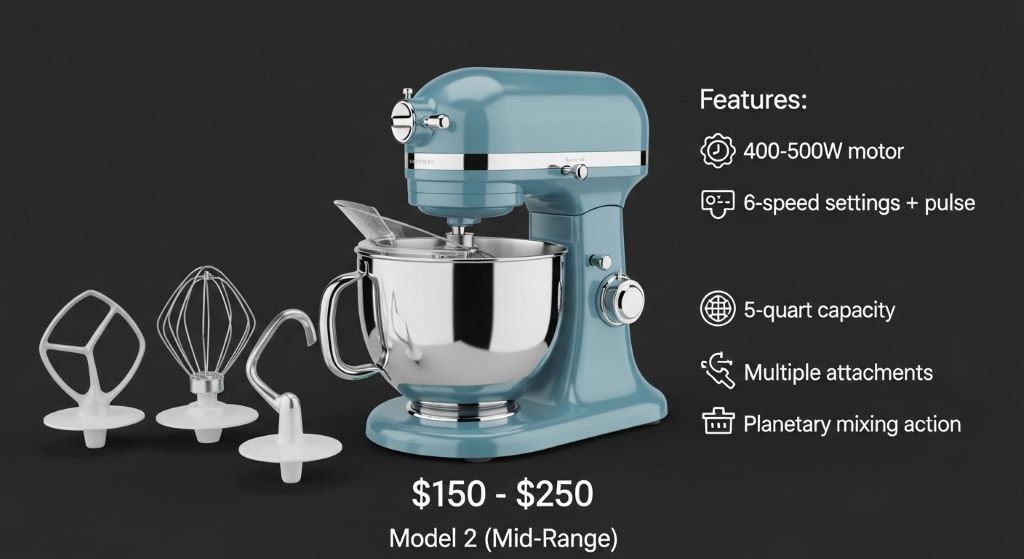
Mid-range options fall between one hundred fifty and three hundred dollars. These mixers offer better motors, more attachments, and improved durability. Additionally, they often include features like multiple speed settings and tilt-head or bowl-lift designs. This range provides excellent value for regular home bakers.
Premium mixers exceed three hundred dollars and can reach over six hundred. While they offer professional-grade power and construction, most home users won’t utilize their full capabilities. Therefore, spending this much only makes sense for serious baking enthusiasts or small business owners.
Reading Reviews and Ratings Effectively
Customer reviews provide invaluable real-world insights. Look for patterns rather than individual complaints. If multiple users mention motor burnout or gear stripping, take those warnings seriously. However, isolated negative experiences might just reflect misuse or defective units.
Pay attention to reviews from users with similar needs. A negative review from someone making artisan bread daily matters less if you only bake cookies monthly. Similarly, consider how long reviewers have owned their mixers. Long-term satisfaction tells you more than first-impression excitement.
Professional review sites often conduct thorough testing. They compare performance across multiple models and price points. These comprehensive evaluations help you understand what you’re actually getting for your money. Nevertheless, remember that professional reviewers might prioritize different features than you do.
Brand Reputation Versus Value
Well-known brands often command premium prices based on reputation alone. While established names typically offer reliable products, lesser-known brands sometimes provide comparable quality at lower costs. Research newer brands carefully to distinguish genuine value from cheap imitations.
Warranty coverage reveals manufacturer confidence in their products. Longer warranties suggest better quality and durability. Additionally, good customer service makes warranty claims smoother if problems arise. Factor these considerations into your overall value assessment.
Some brands offer better value in specific price ranges. A company known for premium mixers might not excel at budget-friendly options. Conversely, brands specializing in affordable mixers 2026 often provide exceptional value in entry and mid-level categories.
Essential Attachments and Accessories
Most mixers include basic attachments like a flat beater, dough hook, and wire whip. These handle the majority of mixing tasks adequately. Specialized attachments like pasta makers or meat grinders increase costs but might sit unused in your cupboard.
Consider attachment compatibility if you think you’ll expand later. Some brands offer extensive accessory ecosystems, while others limit third-party options. This flexibility can add value over time. However, buying attachments you’ll never use wastes money regardless of compatibility.
Evaluate whether included accessories genuinely add value. Extra bowls or splash guards might seem appealing but consider whether you’ll actually use them. Sometimes choosing a less expensive model and buying specific attachments later proves more economical.
Spotting Marketing Gimmicks
Flashy colors and trendy designs often carry price premiums without improving performance. While aesthetics matter for countertop appliances, don’t pay significantly more just for appearance. Focus on functionality first, then consider looks within your budget.
Overly complex digital controls can increase costs without adding real value. Simple mechanical speed dials work perfectly well for most tasks. Moreover, they’re less likely to malfunction than electronic interfaces. Therefore, don’t assume more technology automatically means better performance.
Beware of packages that bundle unnecessary items. Retailers sometimes inflate prices by including recipe books, aprons, or low-quality tools. You can often find better deals on basic models and purchase quality accessories separately if needed.
Testing Before You Buy
If possible, see mixers in action before purchasing. Many kitchen stores have demonstration models. Watch how smoothly they operate and listen for unusual noises. Additionally, check build quality by examining joints, seams, and moving parts.
Feel the weight and construction firsthand. Heavier mixers typically indicate more substantial components and better stability. However, excessive weight might make the unit difficult to move or store. Find the right balance for your situation.
Test the controls and settings. Ensure speed adjustments work smoothly without jumping between settings. Furthermore, verify that the head or bowl lifts easily without sticking. These hands-on evaluations reveal quality issues that specifications alone can’t show.
Maintenance and Longevity Considerations
Lower-priced mixers might require more frequent maintenance or replacement. Calculate the long-term cost rather than just the initial purchase price. A slightly more expensive mixer lasting ten years costs less overall than replacing a cheap one every two years.
Look for models with easily replaceable parts. Some manufacturers make common wear items like gears or belts readily available. Others require professional service or complete unit replacement. This serviceability significantly impacts long-term value.
Cleaning ease affects both convenience and longevity. Dishwasher-safe attachments save time and encourage regular cleaning. Similarly, models without hard-to-reach crevices maintain better hygiene. These practical considerations contribute to overall satisfaction and product lifespan.
Where to Find the Best Deals
Traditional retail stores offer the advantage of physical inspection and immediate purchase. However, they typically can’t match online pricing due to higher overhead costs. Visit stores to examine models, then check online prices before deciding where to buy.
Manufacturer websites sometimes offer exclusive deals or bundle packages. Signing up for newsletters often provides discount codes or early sale access. Additionally, buying directly from manufacturers might include better warranty terms or customer support.
Warehouse clubs and discount retailers occasionally stock quality mixers at reduced prices. While selection might be limited, the savings can be substantial. Furthermore, these stores often have generous return policies if the mixer doesn’t meet your expectations.
Making Your Final Decision
Create a comparison chart listing your top choices with their features and prices. This visual reference helps you evaluate which mixer offers the best combination of capabilities and affordability. Include factors like warranty length, attachment compatibility, and user ratings.
Set a firm budget before shopping and stick to it. The temptation to upgrade for just fifty dollars more can quickly spiral. Remember that your goal is finding adequate performance at reasonable cost, not acquiring every possible feature.
Trust your research and instincts. If a particular model keeps rising to the top of your list despite not being the cheapest option, it might represent the best value for your specific needs. Conversely, if you’re only considering an expensive mixer because of brand prestige, reconsider whether it’s truly worth the premium.
Conclusion
Finding the best value stand mixer requires balancing features, quality, and cost. Start by honestly assessing your baking needs and frequency. Research different price ranges and understand what drives costs higher. Use smart shopping strategies like timing purchases and comparing prices across retailers.
Read reviews carefully and distinguish between essential features and marketing gimmicks. Consider long-term costs including maintenance and durability. Remember that the most expensive option isn’t always the best choice, nor is the cheapest necessarily a bargain.
By following these guidelines, you can confidently select a mixer that serves you well without straining your finances. The right mixer should make baking more enjoyable while fitting comfortably within your budget.
Frequently Asked Questions
What’s the minimum I should spend on a quality stand mixer?
You can find reliable stand mixers starting around one hundred dollars. These entry-level models handle basic baking tasks effectively for occasional use. However, if you bake weekly or make bread, investing between one hundred fifty and two hundred fifty dollars provides better durability and performance.
Are expensive stand mixers really worth the extra money?
Premium mixers justify their cost for serious bakers or small business owners who use them daily. They offer more powerful motors, longer warranties, and better construction. However, casual home bakers rarely need these professional-grade features. Mid-range models typically provide the best balance of quality and affordability.
When is the best time to buy a stand mixer?
Major sales events like Black Friday, Cyber Monday, and post-holiday clearances offer the deepest discounts. Additionally, spring often brings price reductions as retailers make room for summer inventory. Watching for these seasonal patterns can save you thirty to fifty percent off regular prices.
Should I buy refurbished or wait for a new model sale?
Certified refurbished mixers from reputable sellers offer excellent value with warranty protection. They’ve been inspected and repaired to original specifications. This option works well if you’re flexible about color choices. However, if you want specific features or the latest model, waiting for sales on new units might be preferable.
How do I know if I’m getting a good deal?
Research typical prices for your chosen model across multiple retailers. Use price tracking websites to see historical pricing trends. Check whether the sale price is genuinely discounted or just regular pricing marketed as a deal. Also verify that warranty terms and return policies match what you’d get at full price.
Related Topics:
How to Choose Kitchen Cabinets: What to Know
How Durable Is the Weber Original Kettle 22-Inch Grill? A Detailed Breakdown