

Skateboarding grabs you the moment you push off and feel the board respond. Millions of people worldwide now ride regularly, and participation has surged since the sport joined the Olympics in 2020. However, subpar equipment contributes to thousands of injuries each year, according to the National Safety Council, which reported over 245,000 skateboard-related emergency visits in recent data.
You can avoid those pitfalls. Smart choices lead you to a reliable ride that feels great under your feet. For example, a solid budget skateboard delivers smooth performance without shortcuts in quality. This guide shows you exactly how to spot those boards and make confident decisions.
What Defines a Quality Skateboard
Quality shows in every push, turn, and trick. Riders notice the difference immediately when components work together smoothly.
A strong skateboard starts with balanced parts. Each element plays a role in control, durability, and feel. Beginners especially benefit from setups that forgive small mistakes while rewarding progress.
Moreover, quality boards last through daily sessions. They handle impacts better and maintain their pop longer. Understanding these traits helps you separate reliable options from fragile ones.
Key Components of a Quality Skateboard
Break down the board into its main parts. Focus on these areas when you evaluate any setup.
The Deck: Foundation of Your Ride
The deck forms the core of every skateboard. Most quality decks use 7-ply North American maple for the ideal mix of strength and flexibility.
Good decks feature medium concave. This subtle curve cups your feet and improves control during turns and flips. Press the board lightly; it should flex slightly but snap back quickly.
Additionally, check the wood layers. Visible glue lines should appear even without bubbles or gaps. Cheap decks often use fewer plies or softer wood that chips easily.
Many riders prefer 8.0 to 8.25-inch widths for versatility. Narrower decks suit technical tricks, while wider ones offer stability for cruising or transitions.
Trucks: Turning and Stability
Trucks connect wheels to the deck and control how the board turns. Quality trucks use high-grade aluminum that resists bending under hard landings.
Independent and Thunder remain top choices for reliable performance. They turn smoothly and hold grind positions well. Ace and Venture also earn strong reputations among riders.
Look for clean casting on the hanger and baseplate. Avoid trucks with rough edges or visible cracks. Bushings should feel responsive yet forgiving.
Furthermore, proper kingpin alignment matters. Loose or crooked kingpins cause wobbly rides and uneven wear.
Wheels: Speed and Grip
Wheels affect speed, grip, and ride comfort directly. Quality wheels use high-rebound polyurethane that bounces back after impacts.
Street riders often choose 52-54mm wheels with 99A to 101A hardness. These sizes balance speed and control on rough surfaces. Softer 95A-98A wheels absorb vibrations better for cruising.
Spin the wheels by hand. They should roll freely for several seconds. Sticky or gritty spins signal poor quality.
Moreover, check the core placement. Centered cores prevent uneven wear and maintain consistent performance over time.
Bearings: Smooth Rolling
Bearings sit inside wheels and determine how freely they spin. Quality bearings use polished steel balls and strong shields to keep out dirt.
Bones Reds stand out as a reliable standard. Bronson and Shake Junt also deliver excellent speed and durability.
Higher-rated bearings often feature removable shields for easy cleaning. This design extends their life significantly.
However, even basic ABEC-5 or ABEC-7 bearings perform well with proper care. Focus more on build quality than ratings alone.
Grip Tape and Hardware
Grip tape keeps your feet planted. Quality tape uses strong adhesive and coarse grit that lasts through heavy sessions.
Hardware bolts should fit flush without stripping. Allen-head bolts offer better grip during assembly.
These small details add up. They prevent slips and keep the board together under stress.
Signs of Low-Quality Skateboards to Avoid
Spot poor boards quickly and save yourself frustration. Certain red flags appear consistently.
Cheap decks often lack concave or use thin wood. Press them firmly; excessive flex or creaking sounds indicate weakness.
Plastic trucks or composite materials snap under pressure. They also turn poorly and feel unstable.
Hard, shiny wheels slide unpredictably. They often come from low-grade urethane that wears unevenly.
Bearings that stop spinning quickly collect dirt easily. Rough noise when spinning reveals poor tolerances.
Moreover, mismatched components hurt performance. Avoid boards with oddly sized parts that don’t work together.
Where to Find Quality Budget Skateboards
Reliable sources offer great options without overpaying. Explore these places first.
Local skate shops provide expert advice. Staff help you match boards to your style and check setups in person.
Online retailers like Tactics and Skate Warehouse carry trusted brands. They often include detailed specs and customer reviews.
Additionally, marketplace platforms feature used boards from reputable sellers. Inspect photos carefully and ask questions.
Community forums and groups connect you with local riders selling gear. These deals often include well-maintained setups.
Related:
Oregon’s Trailblazing Path to Eco-Friendly Skateboarding
How to Maintain Your Skateboard: Jacksonville Edition
Recommended Brands for Beginners and Budget Riders
Certain brands consistently deliver quality at accessible levels. They support riders as skills grow.
Element offers durable decks with excellent pop. Their completes suit street and park riding well.
Globe produces versatile boards that handle various terrains. Many riders start here and stay loyal.
Enjoi features fun graphics on solid constructions. Their decks maintain shape through heavy use.
Birdhouse and Almost provide pro-backed quality. Tony Hawk’s influence ensures reliable performance.
Moreover, shop completes from CCS and Warehouse earn praise for balanced setups right out of the box.
Buying Used Skateboards Safely
Used boards extend your options significantly. Follow these steps for smart purchases.
Inspect the deck for razor tail, chips, or water damage. Minor scratches usually don’t affect performance.
Check trucks for bent hangers or stuck pivot cups. Clean bushings often revive turning feel.
Spin wheels and listen for smooth operation. Replace bearings if they grind or seize.
Look for stress cracks around bolt holes. These weaken the board over time.
Additionally, ask about the board’s history. Boards used gently often outperform new cheap ones.
Building Your Own Setup on a Budget
Custom builds let you prioritize key components. Start with these combinations.
Choose a trusted deck brand first. Pair it with Independent or Thunder trucks for reliable turning.
Add Bones or Spitfire wheels for consistent grip. Finish with Bones Reds bearings.
This approach spreads investment across quality parts. You get better performance than many pre-built options.
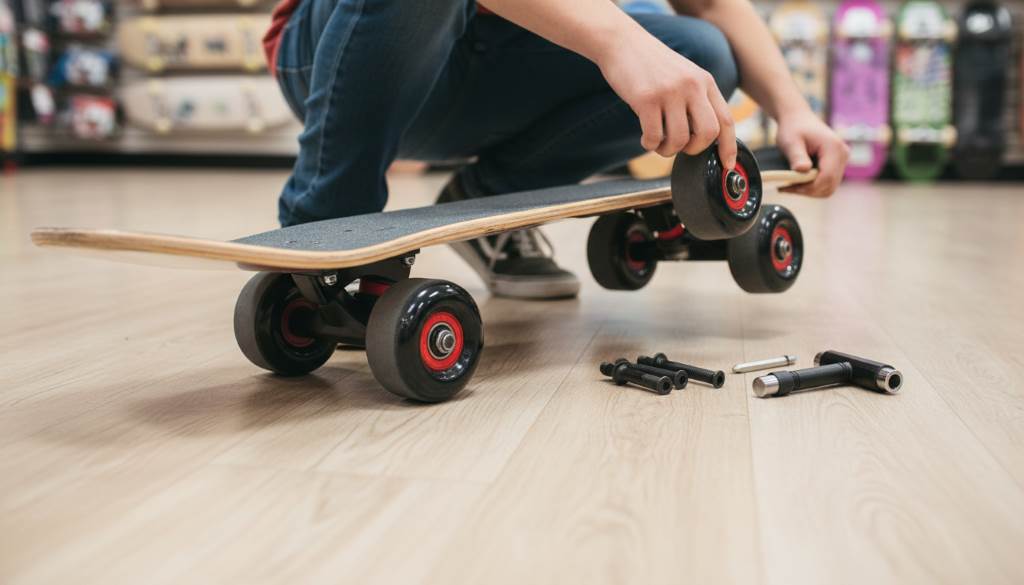
Furthermore, learn basic assembly skills. Tighten hardware properly and adjust trucks to your preference.
Essential Maintenance for Longevity
Proper care keeps any board performing well. Develop these habits early.
Clean bearings regularly with solvent. Relubricate them for smooth spins.
Rotate wheels to promote even wear. Flip grip tape side-to-side when edges smooth out.
Store boards away from moisture. Extreme heat warps decks over time.
Moreover, check hardware tightness before sessions. Loose bolts lead to bigger issues.
Safety Tips Every Rider Needs
Quality equipment pairs with smart habits. Protect yourself from day one.
Wear helmets and pads consistently. They reduce injury severity dramatically.
Learn to fall properly by rolling with impacts. Practice on grass first.
Start slowly on familiar terrain. Build skills gradually to avoid overconfidence.
Additionally, check local laws and use designated areas. Respect shared spaces with others.
Conclusion
You now hold the knowledge to choose wisely. Focus on solid construction, balanced components, and trusted sources. Quality skateboards reward you with smooth rides and lasting performance.
Take action today. Visit local shops or browse reliable sites. Find the board that matches your style and start rolling confidently. The streets and parks await your unique approach.
FAQs
What size skateboard should beginners choose?
Beginners often ride best on 8.0 to 8.25-inch decks. These widths offer stability while allowing maneuverability. Taller riders may prefer slightly wider boards for comfort.
How do I know if bearings need replacement?
Bearings need replacement when they grind, seize, or spin roughly even after cleaning. Slow spins that stop quickly also signal wear. Fresh ones roll silently and freely.
Can I use a skateboard for both street and park?
Versatile setups handle both well. Choose medium-sized wheels and standard trucks. Many riders use one board for everything successfully.
How often should I replace grip tape?
Replace grip tape when center areas smooth out or edges tear. Most riders change it every few months with heavy use. Clean it regularly to extend life.
Is it better to buy complete or custom?
Completes offer convenience and balanced setups for beginners. Customs allow specific preferences as skills grow. Both work well when parts come from trusted brands.
References
- Tactics.com Beginner Skateboards Guide: https://www.tactics.com/info/beginner-skateboards
- Skate Warehouse Learning Center: https://www.skatewarehouse.com/learning-center
- National Safety Council Injury Facts: https://injuryfacts.nsc.org
- Warehouse Skateboards Bearings Guide: https://www.warehouseskateboards.com/help/Skateboard-Bearings-Buying-Guide