
Marcato Ampia 150 Classic ReviewThe most effective striped bass surf rig is a fish finder rig or high-low rig using 20–50 lb leader, a circle hook (5/0–9/0), and weight matched to current and surf conditions. The setup keeps bait natural while holding bottom.
Striped bass are powerful, migratory fish that cruise beaches, inlets, and sandbars looking for bait. If your rig drags, tangles, or looks unnatural, you miss bites. If it’s too light, waves roll it. Too heavy, it kills presentation.
This guide breaks down exactly how to rig for striped bass in the surf using proven methods. No hype. Just practical setups used by experienced surf anglers targeting fish from 24 inches to 40+ pounds.
According to Atlantic coast fisheries data, recreational anglers land millions of striped bass annually, with surf fishing accounting for a significant share during spring and fall migrations. That means opportunity is high—but only if your rig matches conditions.
Let’s solve the biggest problem most anglers face: using the wrong rig for the surf.
Why Do Most Anglers Struggle With Bass Fishing From Shore?
Short answer: Most failures come from poor rig selection, wrong weight size, weak knots, and mismatched bait presentation.
Here’s the problem:
- Surf conditions change hourly.
- Current speed affects sinker hold.
- Bass feed differently in calm vs rough water.
- Shore anglers can’t reposition like boat anglers.
If your striped bass surf rig isn’t stable, you lose bottom contact. If bait spins, bass ignore it. If drag is wrong, hooks pull.
In one Northeast surf fishing case study shared by regional tackle shops, anglers using properly weighted fish finder rigs reported nearly 30% more hookups during fall migration compared to anglers using generic bottom rigs.
The agitation: Striped bass feed aggressively—but selectively. You can see birds diving and still blank.
The solution: Match rig style to water movement and bait type.
What Is a Striped Bass Surf Rig and How Does It Work?
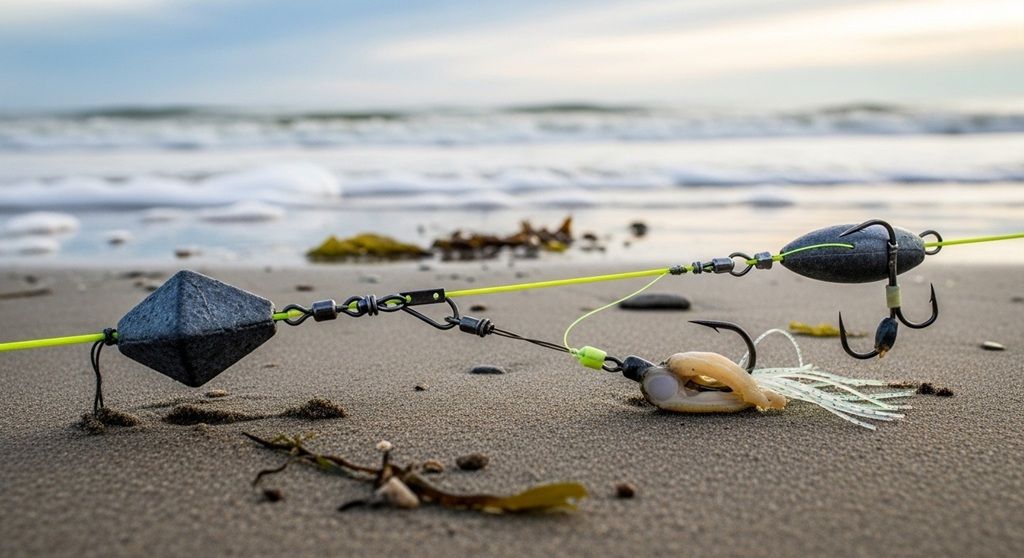
Short answer: A striped bass surf rig is a bottom fishing setup designed to keep bait in strike zone while minimizing resistance during pickup.
It typically includes:
- Main line (30–50 lb braid common)
- Sinker (pyramid or sputnik)
- Leader line (20–50 lb mono or fluoro)
- Circle hook (5/0–9/0)
The goal is simple: Hold bottom. Let bass take bait naturally. Set hook with pressure—not a hard snap.
For a deeper breakdown of rig variations, see this guide on
striped bass surf rig setups and related configurations.
How Do You Tie a Fish Finder Rig for Striped Bass?
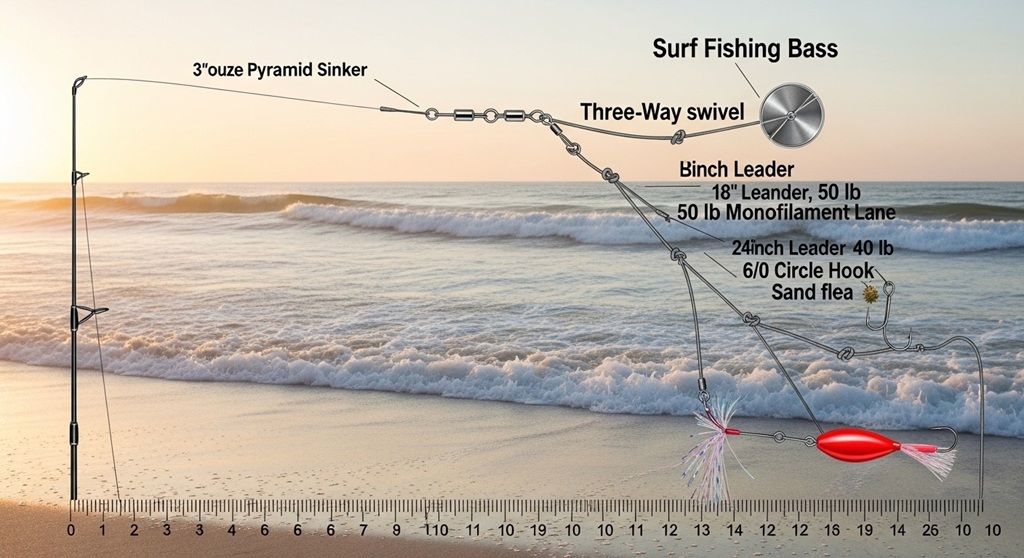
Short answer: Slide a sinker slider onto your main line, attach a barrel swivel, tie 18–36 inches of leader, then finish with a circle hook.
Step-by-Step Setup
- Thread sinker slide on main line.
- Add bead to protect knot.
- Tie main line to barrel swivel.
- Attach 24–30 inch leader (40 lb mono typical).
- Snell or clinch knot a 7/0 circle hook.
Why it works: The sinker stays fixed on bottom. The line slides freely. When bass grabs bait, it feels minimal resistance.
This rig dominates for bass fishing from shore during moderate to strong surf conditions.
When to Use It
- Chunked bunker
- Clams
- Live eels
- Cut bait
It excels in deeper troughs and near sandbars.
When Should You Use High-Low Rigs for Striped Bass?
Short answer: Use a high-low rig when targeting smaller stripers or when fish are suspended slightly off bottom.
The high-low rig has two dropper loops above the sinker. It allows two baits at different heights.
Benefits
- Covers more water column
- Great for smaller bait pieces
- Effective during calm surf
However, in heavy surf, tangling increases. That’s why many experienced surf anglers prefer fish finder rigs for larger bass.
What Are the Best Live Bait Rigs for Striped Bass?
Short answer: The best live bait rigs include fish finder rig, three-way swivel rig, and free-line rig depending on surf strength.
1. Fish Finder with Live Bunker
Ideal for strong surf. Keeps bait pinned in strike zone.
2. Three-Way Swivel Rig
Allows controlled drift near inlets with strong lateral current.
3. Free-Line Rig
Best during calm nights when bass cruise shallow flats.
Live bait rigs work because striped bass rely heavily on scent and vibration. Studies on striped bass feeding behavior show they use lateral lines to detect movement in murky water. A struggling live bait triggers instinct.
What Size Hook and Leader Should You Use?
Short answer: Use 5/0–9/0 circle hooks and 20–50 lb leader depending on target size and structure.
| Condition | Leader Strength | Hook Size |
|---|---|---|
| Calm Surf | 20–30 lb | 5/0–6/0 |
| Moderate Surf | 30–40 lb | 6/0–8/0 |
| Heavy Structure | 40–50 lb | 8/0–9/0 |
Circle hooks reduce gut-hooking and increase survival rates in catch-and-release fisheries. Many coastal regulations now require inline circle hooks when using natural bait.
How Much Weight Do You Need in the Surf?
Short answer: Use 3–8 oz pyramid or sputnik sinkers based on wave height and current.
General rule:
- Small waves: 3–4 oz
- Moderate surf: 5–6 oz
- Strong sweep: 6–8 oz
If your rig rolls, increase weight. If it buries too deep in sand and kills presentation, reduce slightly.
What Line Setup Is Best for Bass Fishing From Shore?
Short answer: 30–50 lb braided main line with mono shock leader improves casting distance and strength.
Braid cuts through wind. Mono absorbs shock from heavy casts. Many surf anglers tie a 20–30 ft shock leader (60–80 lb mono) to prevent break-offs during powerful casts.
Long-distance casting matters when bass hold beyond breaking waves.
Where Should You Cast Your Striped Bass Surf Rig?
Short answer: Target troughs, sandbar cuts, rip currents, and structure edges.
Look for:
- Darker water (deeper trough)
- White water seams
- Bird activity
- Bait schools
Striped bass often feed within 30–50 yards of shore during low light. Many anglers overcast.
What Is the Best Time to Surf Fish for Striped Bass?
Short answer: Dawn, dusk, night, and moving tides produce the most consistent bites.
Peak seasons:
- Spring migration (March–May)
- Fall migration (September–November)
Tide movement triggers feeding. Incoming tide around structure is productive.
How Do You Set the Hook With a Circle Hook?
Short answer: Do not jerk. Reel steadily until line tightens.
Circle hooks rotate into corner of jaw under pressure. A hard hookset pulls bait out.
This single mistake causes many missed fish in live bait rigs.
Conclusion: Are You Using the Right Rig for the Conditions?
Striped bass in the surf reward preparation. They migrate thousands of miles annually along the Atlantic coast. They feed aggressively—but conditions dictate success.
If you choose the correct striped bass surf rig, match weight to current, and use proper live bait rigs, you dramatically improve hookup rates.
Stop guessing. Adjust to water movement. Use circle hooks. Target structure. Fish moving tides.
Want a deeper breakdown of proven setups? Check out this complete guide on surf fishing rigs here:
bass fishing from shore setups explained.
Now rig up. Watch the water. Cast with intent. And fish smarter on your next surf trip.
Frequently Asked Questions (FAQ)
What is the best striped bass surf rig for beginners?
The fish finder rig is best for beginners. It’s simple, reduces resistance, and works in most surf conditions.
Can you catch striped bass from shore at night?
Yes. Night fishing is highly productive, especially during tides with strong movement and bait presence.
Do striped bass prefer live bait or cut bait?
Both work. Live bait triggers reaction strikes. Cut bait releases scent and works well in murky surf.
What pound test line should I use for surf fishing?
30–50 lb braid with a mono shock leader is common for casting heavy sinkers safely.
How far should I cast when surf fishing?
Distance depends on structure. Many bass feed within 50 yards. Focus on troughs and cuts instead of maximum distance.
What tide is best for striped bass?
Moving tides especially incoming—produce consistent feeding activity.
Related Topic: Analyzing Consumer Behavior for More Effective Marketing
Read Next: Marcato Ampia 150 Classic Review: Why It’s the Gold Standard in Pasta Makers