How to Find the Best Budget Fishing Rods in 2026 (Without Compromising Quality)

Fishing doesn’t have to drain your wallet to be enjoyable and successful. Many anglers believe they need expensive equipment to catch fish, but that’s simply not true. The fishing rod market has evolved dramatically over the past few years, with manufacturers now producing quality equipment at prices that won’t break the bank.
Understanding how to identify truly good affordable rods requires knowledge of what makes a fishing rod perform well. It’s not about finding the absolute cheapest option available. Instead, it’s about discovering products that deliver genuine value by balancing cost with performance, durability, and features.
This guide will help you navigate the world of budget fishing equipment. You’ll learn what to look for, what to avoid, and how to make smart purchasing decisions that keep you fishing happily for years without unnecessary expense.
Understanding What Makes a Quality Rod
Before searching for budget options, you need to understand what separates a decent rod from a poor one. Quality isn’t always about price tags. Many factors contribute to how well a rod performs on the water.
The blank material determines much of the rod’s character. Modern materials like graphite and fiberglass composites offer excellent performance at reasonable prices. Graphite provides sensitivity and light weight, while fiberglass adds durability and flexibility. Composite materials combine the best qualities of both.
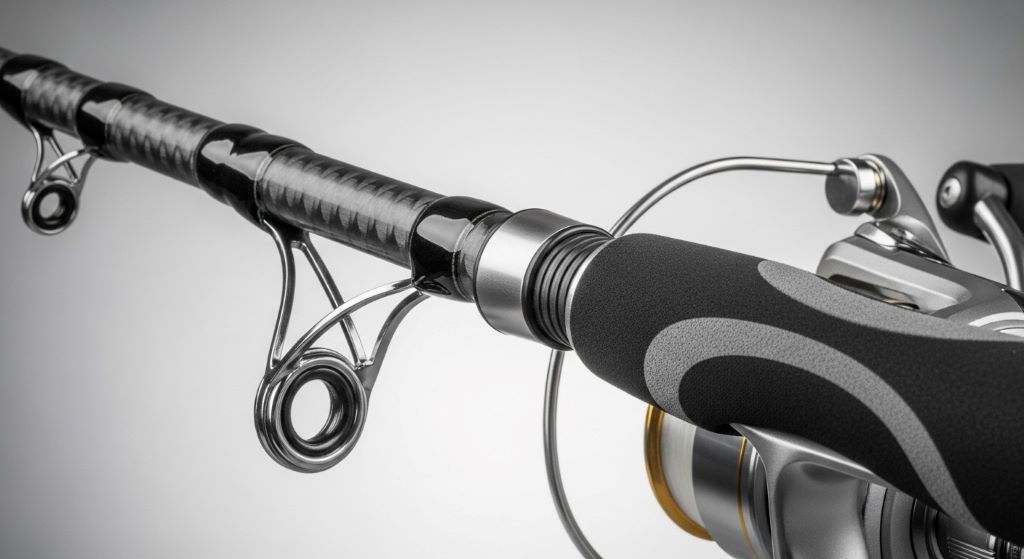
Guide quality affects casting distance and line management. Cheaper rods sometimes use guides that corrode quickly or have rough inserts that damage fishing line. However, many budget manufacturers now include ceramic or stainless steel guides that perform admirably for recreational fishing.
The reel seat needs to hold your reel securely without wobbling. A loose reel seat creates frustration and reduces casting accuracy. Test this by gently trying to twist the reel seat with your hand. Quality seats remain firm regardless of price point.
Handle materials impact comfort during long fishing sessions. Cork handles feel traditional and provide good grip when wet. EVA foam costs less but offers comparable comfort and durability. Both materials can be found on budget rods, so choose based on personal preference rather than assuming one indicates better quality.
Setting Your Budget Realistically
Establishing a clear budget helps narrow your options and prevents impulse purchases. However, your budget should reflect your fishing frequency and target species rather than arbitrary numbers.
For occasional anglers who fish a few times per year, spending between 40 and 70 dollars typically provides adequate performance. This range offers surprisingly capable rods that handle most freshwater species without issues.
Regular weekend anglers benefit from investing slightly more, around 70 to 120 dollars. This middle range often represents the sweet spot where value rods deliver performance approaching higher-end models at a fraction of the cost.
Serious anglers who fish weekly might consider stretching to 150 dollars. At this level, you’re still getting budget-conscious options, but the quality jump becomes noticeable in sensitivity, weight, and overall refinement.
Additionally, consider that buying two specialized budget rods often serves you better than one expensive do-everything model. A spinning rod for lighter applications and a casting rod for heavier work provide more versatility than a single compromise option.
Where to Shop for the Best Deals
Knowing where to look for cheap fishing gear saves money and expands your options beyond local tackle shops. Multiple retail channels offer advantages depending on your needs and timeline.
Online retailers typically offer the widest selection and most competitive prices. Websites specializing in fishing equipment often run sales and clearance events where previous year’s models sell at significant discounts. However, shopping online means you can’t physically handle the rod before purchasing.
Big box sporting goods stores carry popular budget brands and frequently offer seasonal promotions. Their buying power allows them to negotiate better prices than smaller shops. The tradeoff is less specialized knowledge among staff members.
Local tackle shops charge slightly more but provide valuable expertise and customer service. Building relationships with shop owners often leads to advance notice of sales and honest recommendations based on local fishing conditions. Supporting these businesses strengthens your local fishing community.
Direct-from-manufacturer sales happen more frequently now through brand websites. Companies periodically offer factory seconds or overstock items at reduced prices. These rods function perfectly despite minor cosmetic imperfections.
Furthermore, don’t overlook end-of-season sales. Retailers clear inventory in late fall and early spring, offering deep discounts on perfectly good equipment to make room for new stock.
Recognizing Quality Brands at Lower Price Points
Several manufacturers have built reputations for producing reliable equipment without premium pricing. Knowing these brands helps you shop with confidence.
Ugly Stik remains legendary for durability. Their rods handle abuse that would destroy more expensive models. While not the lightest or most sensitive options, they simply don’t break under normal use. This reliability makes them excellent choices for beginners and rough conditions.
Berkley produces multiple budget-friendly series that perform well beyond their price tags. Their Lightning Rod and Cherrywood models offer good sensitivity and casting performance for freshwater applications. The company’s long history means they understand what recreational anglers need.
Daiwa and Shimano, typically known for higher-end products, both offer entry-level series that benefit from trickle-down technology. Features developed for expensive rods eventually appear in their budget lines, providing excellent value.
Fenwick’s Eagle series has served budget-conscious anglers for decades. These rods strike a nice balance between weight, sensitivity, and price. They’re particularly popular among bass anglers who want decent performance without high costs.
Shakespeare makes extremely affordable options for absolute beginners or those wanting backup rods. While not matching the refinement of slightly pricier alternatives, their products get people fishing without requiring significant investment.
Matching Rod Specifications to Your Fishing Style
Choosing the right specifications matters more than brand names or fancy features. A properly matched rod makes fishing more enjoyable and successful regardless of its cost.
Power ratings describe the rod’s backbone strength. Ultra-light power works for small panfish and trout. Medium power handles most bass and walleye fishing. Medium-heavy suits larger bass, pike, and light saltwater applications. Therefore, select power based on your typical target species rather than trying to find one rod for everything.
Action refers to where the rod bends when pressure is applied. Fast action rods bend primarily in the tip, providing sensitivity and strong hooksets. Moderate action bends further down the blank, offering more forgiveness and better casting for lighter lures. Most budget-conscious anglers find moderate-fast action provides the best all-around performance.
Length affects casting distance and leverage. Shorter rods around six feet offer better control in tight spaces like small streams or heavy cover. Longer rods from seven to eight feet increase casting distance and provide better line management. A seven-foot rod represents a versatile middle ground for most situations.
Lure weight ratings indicate which lures the rod handles effectively. Trying to cast lures outside the recommended range leads to poor performance. Match your most commonly used lures to the rod’s rating for best results.

Testing Rods Before Buying
Whenever possible, physically examining rods before purchase helps ensure you’re getting a quality product. Several simple tests reveal potential issues.
Inspect the guides carefully for alignment. Look down the rod from the handle toward the tip. All guides should line up in a straight path. Misaligned guides indicate poor quality control and cause casting problems.
Flex the rod gently to feel its action. The bend should be smooth and progressive without flat spots or sudden changes. A quality blank maintains consistent curve throughout its length.
Check guide wraps for gaps or loose thread. The wraps should be tight, even, and coated with smooth epoxy. Sloppy wraps aren’t just cosmetic issues; they indicate rushed manufacturing and potential durability problems.
Examine the handle for secure attachment to the blank. Try twisting it gently. Any movement suggests poor construction that will worsen with use.
Moreover, wiggle the reel seat to check for looseness. While new rods sometimes have minimal play, excessive wobble indicates the seat will become problematic quickly.
Understanding When to Pay More
Sometimes spending slightly above your initial budget makes sense. Recognizing these situations prevents false economy where cheap purchases cost more long-term.
Saltwater fishing demands more durability than freshwater applications. Corrosion resistance becomes critical, and the cheapest rods often fail quickly in salt environments. If you fish saltwater regularly, invest in models specifically designed for these conditions even if they cost more.
Heavy-duty applications like surf fishing, salmon fishing, or targeting large catfish require sturdier construction. Ultra-budget rods may not have the backbone needed for these demanding situations. The frustration of broken rods and lost fish often exceeds the savings from buying the absolute cheapest option.
If you fish frequently, paying more for lighter weight and better balance improves your experience significantly. The difference between a 5-ounce rod and an 8-ounce rod seems small on paper but feels substantial after several hours of casting.
Additionally, specific techniques like drop-shotting, jigging, or finesse fishing benefit from extra sensitivity that budget rods sometimes lack. If these methods dominate your fishing, consider allocating more budget for a specialized rod while using cheaper options for less demanding techniques.
Avoiding Common Pitfalls
Several mistakes plague budget-conscious anglers. Avoiding these errors ensures your money goes toward genuinely useful equipment.
Don’t buy combo packages simply because they seem like deals. Many combos pair acceptable rods with terrible reels or vice versa. Purchasing rod and reel separately, even if costs slightly more, usually provides better overall quality.
Avoid no-name brands from unknown manufacturers. While some surprise with decent quality, many use inferior materials and construction. Stick with recognized brands that have reputations to maintain.
Don’t prioritize appearance over function. Flashy colors and graphics don’t catch fish. Simple-looking rods often perform just as well as fancier alternatives. Marketing departments know attractive products sell, but substance matters more than style.
Resist the temptation to buy the longest rod available. Beginners often think longer equals better, but managing an 8-foot rod requires more space and technique than a 7-footer. Start with moderate lengths and upgrade later if needed.
Furthermore, don’t assume price directly correlates with catching fish. Expensive rods offer refinements that experienced anglers appreciate, but fish don’t know what equipment you’re using. Technique and knowledge matter far more than gear cost.
Maintaining Your Budget Equipment
Proper care extends the life of affordable rods significantly. Simple maintenance prevents premature wear and keeps your equipment performing well.
Rinse rods with fresh water after every outing, especially following saltwater exposure. Salt crystals cause corrosion and line wear if left on guides. A quick rinse takes seconds but adds years to your rod’s life.
Store rods properly to prevent damage. Use rod racks or ceiling mounts rather than leaning them in corners where they might fall or get stepped on. Rod tubes or cases protect equipment during transport and storage.
Check guide inserts periodically for cracks or grooves. Run a cotton swab through each guide; snagging cotton indicates damage that will fray fishing line. Replacing damaged guides costs less than replacing the entire rod.
Clean handles regularly to prevent buildup of dirt, fish slime, and sunscreen. These substances degrade cork and foam over time. Mild soap and water work perfectly for this task.
Additionally, loosen reel seats slightly during storage to reduce pressure on the blank. Over-tightening can create stress points that weaken the rod. Snug but not overtight works best.
Learning from the Fishing Community
Experienced anglers provide valuable insights that help you make better purchasing decisions. Tapping into this collective knowledge accelerates your learning curve.
Online forums and social media groups dedicated to fishing offer honest reviews and recommendations. Real users share both positive experiences and warnings about products to avoid. However, remember that personal preferences vary, so look for consensus rather than individual opinions.
YouTube fishing channels frequently feature gear reviews and budget equipment comparisons. Watching these videos shows rods in actual use, demonstrating performance in real fishing situations rather than just specifications.
Local fishing clubs provide opportunities to try different equipment. Members often let you cast their rods during outings, giving you hands-on experience before committing to a purchase.
Fishing guides and tournament anglers sometimes sell used equipment as they upgrade. These gently used rods often perform excellently at significant discounts. Moreover, these professionals maintain their gear well, ensuring you get quality equipment.
Timing Your Purchase Strategically
When you buy matters almost as much as what you buy. Strategic timing maximizes your purchasing power.
Black Friday and Cyber Monday offer some of the year’s best deals on fishing equipment. Retailers discount inventory heavily, and many budget brands become even more affordable. Planning major purchases around these events saves substantial money.
Post-holiday sales in January clear remaining inventory at deep discounts. Retailers need space for spring merchandise, creating opportunities for savvy shoppers.
Early spring sales target anglers preparing for the season. While discounts may not match end-of-year sales, selection is typically better since retailers stock up before the busy season.
Late summer and early fall bring end-of-season clearances. As fishing slows in many regions, stores discount equipment to maintain cash flow during slower periods.
Furthermore, consider buying during off-peak hours at local shops. Staff members have more time to discuss options and may be more willing to negotiate prices when the store isn’t busy.
Building Your Rod Collection Gradually
Rather than buying everything at once, gradually building your collection allows you to learn and make better choices over time.
Start with one versatile rod that handles most situations in your local waters. A medium power, moderate-fast action spinning rod around seven feet long serves most anglers well as a first purchase.
Add specialized rods as you discover preferences and specific needs. Perhaps you realize you need something lighter for finesse techniques or heavier for targeting bigger fish. These needs become clear through experience.
Buy during sales to stretch your budget further. Waiting for the right deal on your next rod addition saves money that can go toward other equipment or fishing trips.
Consider used equipment from reputable sources. Quality rods last decades with proper care, and buying used extends your budget significantly. Inspect used rods carefully, but don’t shy away from them if they’re in good condition.
Conclusion
Finding quality fishing rods on a budget requires knowledge, patience, and smart shopping strategies. The key is understanding that value rods exist across multiple price points, and the cheapest option isn’t always the best choice.
Focus on reputable brands known for producing reliable affordable rods. Match specifications to your fishing style rather than chasing features you don’t need. Shop strategically during sales periods and consider multiple retail channels to find the best prices.
Remember that proper maintenance extends the life of budget equipment significantly. Take care of your rods through regular cleaning, proper storage, and periodic inspections. These simple practices ensure your investment serves you well for many seasons.
Don’t let limited budget prevent you from enjoying fishing. Today’s market offers more quality cheap fishing gear than ever before, with manufacturers competing to provide better value at lower prices. By following the guidance in this article, you can build a capable rod collection without financial stress.
Ultimately, catching fish depends far more on your knowledge, technique, and persistence than on expensive equipment. A skilled angler with budget gear will outfish a beginner with premium rods every time. Invest in learning while being smart about your equipment purchases, and you’ll enjoy successful fishing for years to come.
Frequently Asked Questions
How much should I spend on my first fishing rod?
For your first rod, spending between 50 and 80 dollars provides adequate quality without excessive investment. This range offers reliable performance from reputable brands while you’re learning technique and discovering your preferences. As you gain experience, you’ll understand whether upgrading makes sense for your specific fishing style.
Are expensive fishing rods really better than budget options?
Expensive rods offer refinements like lighter weight, increased sensitivity, and better components. However, these advantages matter most to experienced anglers who can appreciate and utilize them. For recreational fishing, budget rods perform excellently. The difference in fish-catching ability is minimal compared to differences in technique and knowledge.
Can I use the same rod for both freshwater and saltwater fishing?
While some rods handle both environments, saltwater requires corrosion-resistant components that many freshwater-only rods lack. If you fish saltwater occasionally, thoroughly rinse your freshwater rod immediately after use and inspect it regularly for corrosion. For regular saltwater fishing, invest in a dedicated saltwater rod to avoid premature failure.
How long should a budget fishing rod last?
With proper care, quality budget rods last five to ten years of regular use. Factors affecting longevity include fishing frequency, storage conditions, maintenance habits, and the environments where you fish. Rods used in saltwater without proper rinsing deteriorate faster than freshwater rods that receive regular care.
Should I buy a rod and reel combo or separate components?
Separate purchases typically provide better overall quality, even if the initial cost seems higher. Many combos pair decent rods with inferior reels or vice versa. Buying individually lets you select the best rod within your budget and match it with an appropriate reel. This approach gives you more control over performance and value.
Related Topics:
How Often Should Replace Fishing Line? Here’s the Truth
How to Build the Perfect Surf Fishing Setup from Scratch