
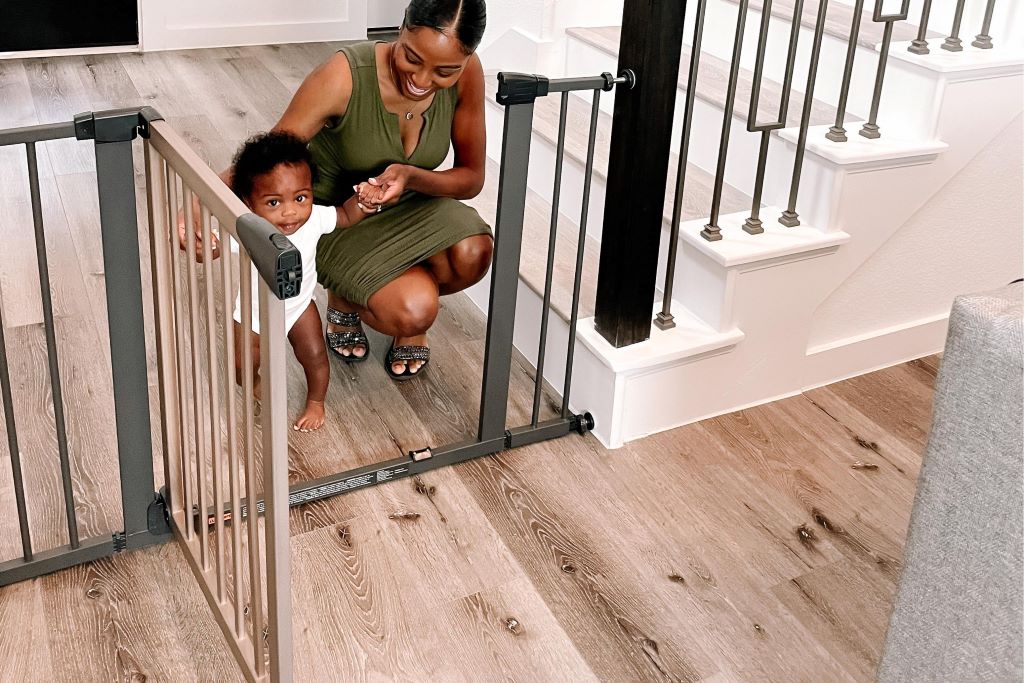

When it comes to protecting your little ones from household hazards, choosing the right safety equipment becomes a top priority for every parent. Confident Children understands that parents need reliable information to make the best decisions for their family’s safety needs. Baby gates serve as essential barriers that help create secure spaces throughout your home.
Safety gates provide peace of mind by blocking access to potentially dangerous areas like stairs, kitchens, and rooms with hazardous items. However, not all gates are created equal, and understanding their durability becomes crucial for long-term protection. Many parents wonder what does baby safety gate do beyond simply blocking pathways. These devices must withstand daily use, curious toddlers, and various environmental factors while maintaining their structural integrity.
Testing the durability of baby gates before installation and during regular use ensures your investment provides reliable protection. This comprehensive guide will walk you through essential testing methods, key indicators of quality construction, and maintenance practices that extend gate lifespan.
Understanding Baby Gate Construction Quality
Quality construction forms the foundation of any durable baby gate. Look for gates made from solid materials like hardwood, metal, or high-grade plastic compounds. Cheap materials often crack, warp, or break under normal use conditions.
Joint connections deserve special attention during your evaluation. Welded metal joints typically offer superior strength compared to screwed or glued connections. Wooden gates should feature mortise and tenon joints or similar woodworking techniques that distribute stress across larger surface areas.
Hardware components including hinges, latches, and mounting brackets must demonstrate robust construction. Stainless steel or heavy-duty zinc-plated hardware resists corrosion and maintains smooth operation over time. Plastic hardware components should feel substantial and show no visible stress marks or flexibility when pressure is applied.
Physical Stress Testing Methods
Performing basic stress tests helps identify potential weaknesses before they become safety hazards. Start with gentle pressure tests by pushing against the gate with gradually increasing force. A properly installed gate should show minimal flex and return to its original position without creaking or showing signs of stress.
Weight testing involves carefully applying downward pressure on the top rail while observing any sagging or structural deformation. Quality gates maintain their shape under reasonable loads that might occur during normal use.
Latch mechanism testing requires repeated opening and closing cycles to ensure smooth operation. Test the latch under various angles and pressure conditions. Some children learn to manipulate gates by pushing or pulling while operating the latch mechanism.
Installation Integrity Assessment
Proper installation directly impacts gate durability and effectiveness. Mounting points must attach securely to wall studs or solid structural elements. Drywall anchors alone cannot provide adequate support for most baby gates.
Check mounting hardware periodically for looseness or signs of pull-out. Wood screws may loosen over time due to seasonal expansion and contraction. Metal mounting systems often provide more consistent long-term stability.
Gate alignment affects both durability and function. Misaligned gates experience uneven stress distribution that can lead to premature failure. The gate should swing freely without binding against the frame or dragging on the floor surface.
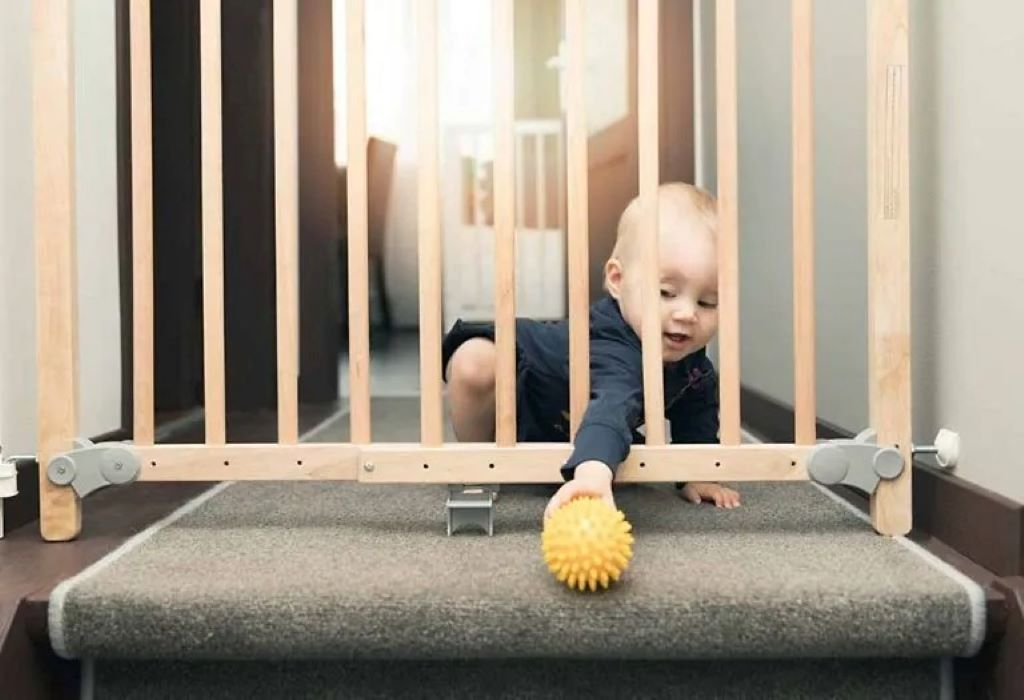
Daily Use Evaluation Criteria
Regular observation during normal use reveals important durability information. Notice any changes in gate operation, unusual sounds during opening or closing, or visible wear patterns that might indicate problems.
Children often test gate limits through climbing, shaking, or attempting to force the mechanism. Observe how your gate responds to these common challenges. A durable gate should discourage such behavior without showing signs of damage or weakness.
Environmental factors like temperature changes, humidity, and cleaning products can affect gate materials over time. Wood gates may expand, contract, or show finish deterioration. Metal gates might develop rust spots in high-moisture areas.
Common Durability Warning Signs
Recognizing early warning signs helps prevent safety failures before they occur. Visual indicators include cracks in plastic components, rust on metal parts, or finish deterioration on wooden surfaces. These cosmetic issues often signal underlying structural problems.
Operational changes like difficulty opening or closing, loose-feeling latches, or gates that no longer stay securely closed indicate mechanical wear. Address these issues promptly rather than waiting for complete failure.
Mounting system problems appear as gaps between the gate and wall, loose hardware, or gates that no longer sit level in their opening. These issues compromise both security and durability.
Professional Testing Standards and Certifications
Industry standards provide objective measures of gate durability and safety performance. The Juvenile Products Manufacturers Association sets testing protocols that evaluate strength, durability, and safety features under controlled conditions.
ASTM International standards specify testing procedures for various stress conditions including impact resistance, cyclic loading, and environmental exposure. Products meeting these standards undergo rigorous evaluation processes.
Consumer Product Safety Commission requirements ensure gates meet minimum safety thresholds for public sale. However, these standards represent baseline requirements rather than indicators of premium quality or extended durability.
Maintenance Practices for Extended Lifespan
Regular maintenance preserves gate functionality and extends useful life significantly. Cleaning procedures should use mild detergents that won’t damage finishes or compromise material integrity. Avoid harsh chemicals that might weaken plastic components or strip protective coatings.
Lubrication of moving parts prevents premature wear and ensures smooth operation. Use appropriate lubricants for your gate’s materials and mechanism type. Over-lubrication can attract dirt and debris that interfere with proper function.
Periodic hardware inspection and tightening prevents looseness that leads to operational problems and reduced durability. Check all screws, bolts, and connection points during routine cleaning sessions.
Selecting Gates for Specific Applications
Different installation locations require different durability characteristics. Stair gates face higher stress loads due to safety-critical applications and frequent use by multiple family members. These installations demand maximum strength and reliability.
Kitchen gates encounter food spills, cleaning chemicals, and temperature variations that can affect certain materials. Choose gates with appropriate resistance to these environmental challenges.
Outdoor applications require weather-resistant materials and hardware that withstand temperature extremes, moisture, and UV exposure. Standard indoor gates may deteriorate rapidly in outdoor settings.
Cost-Effectiveness Analysis
Durability testing helps evaluate long-term value beyond initial purchase price. Higher-quality gates often cost more upfront but provide better value through extended lifespan and reliable performance. Calculate cost-per-year based on expected service life rather than focusing solely on initial investment.
Replacement costs should factor into your durability assessment. Frequent gate replacement due to poor durability creates ongoing expenses and safety risks during transition periods. Quality gates eliminate these concerns through consistent long-term performance.
Safety implications of gate failure cannot be measured in monetary terms alone. The peace of mind provided by durable, reliable gates justifies investment in quality products that maintain their protective function throughout their service life.
Conclusion
Thorough durability testing ensures your baby gate investment provides reliable, long-term protection for your family. By understanding construction quality indicators, performing appropriate stress tests, and maintaining proper installation integrity, you can identify gates that will serve your safety needs effectively.
Regular evaluation during daily use helps identify potential problems before they compromise safety or require expensive replacements. Following professional testing standards and implementing proper maintenance practices extends gate lifespan while preserving optimal performance.
Remember that what does baby safety gate do extends beyond simple barrier function to provide peace of mind through reliable, durable protection. Investing time in proper evaluation and maintenance ensures your gates continue serving this critical safety role throughout their intended service life.
Frequently Asked Questions
How often should I test my baby gate’s durability? Perform basic stress tests monthly and comprehensive evaluations every three months. Daily observation during normal use provides ongoing durability assessment.
What are the most reliable materials for long-lasting baby gates? Solid hardwood, powder-coated steel, and high-grade engineered plastics offer the best durability. Avoid gates with thin plastic components or lightweight aluminum construction.
Can I repair a baby gate that shows signs of wear? Minor issues like loose hardware can often be repaired, but structural damage or significant wear requires gate replacement for safety reasons.
How long should a quality baby gate last with normal use? Well-constructed gates typically last 3-5 years with proper maintenance and appropriate use. Premium gates may provide even longer service life.
What installation factors most affect gate durability? Proper mounting to structural elements, correct alignment, and appropriate hardware selection significantly impact long-term durability and performance.
Read More:
Jacksonville Buy‑Fix‑Flip Strategy: Contractors and Tools Rated