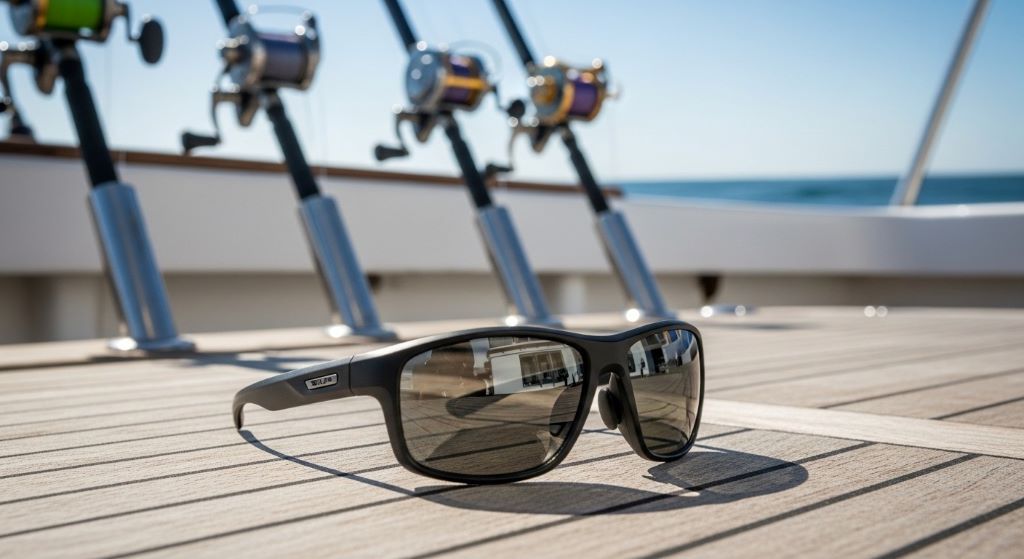

Spending a day on the ocean requires more than just fishing skills and quality rods. Your eyes need serious protection from the harsh marine environment. Saltwater fishing exposes you to intense sun reflection, damaging UV rays, and corrosive salt spray that can ruin inferior eyewear quickly.
Choosing the right sunglasses for saltwater fishing involves understanding several key factors. The right pair protects your vision, enhances your ability to spot fish, and withstands the brutal conditions of ocean fishing. This comprehensive guide will help you select sunglasses that perform well and last season after season.
Understanding the Saltwater Environment
The ocean presents unique challenges that demand specialized eyewear. Water reflects up to 100 percent of UV rays, essentially doubling your exposure compared to land-based activities. This reflection comes from multiple angles, hitting your eyes from above and below simultaneously.
Salt spray creates another significant problem. When saltwater dries on surfaces, it leaves behind crystallized salt deposits. These crystals are abrasive and corrosive, capable of damaging lens coatings and frame materials. Regular exposure without proper protection leads to scratched lenses, corroded hinges, and deteriorating frames.
Additionally, the marine environment includes constant moisture, temperature fluctuations, and exposure to harsh sunlight. These factors work together to break down materials that might hold up perfectly well on land. Therefore, selecting eyewear designed specifically for saltwater conditions becomes essential for anyone serious about ocean fishing.
Lens Technology for Water Environments
The lens is arguably the most important component of fishing sunglasses. Not all lenses are created equal, and understanding the differences helps you make an informed choice.
Polarized lenses are non-negotiable for saltwater fishing. These specialized lenses contain a filter that blocks horizontally reflected light, which is exactly the type of glare that bounces off water surfaces. Without polarization, you’ll struggle to see beneath the surface, miss crucial fish sightings, and experience significant eye strain.
The benefits of polarization extend beyond glare reduction. These lenses allow you to see underwater structures, schools of fish, and subtle water movements that indicate fish activity. This visibility advantage can dramatically improve your fishing success.
However, polarization quality varies considerably between manufacturers. Cheaper polarized lenses may provide some glare reduction but lack the clarity and complete polarization of premium options. Look for lenses that offer 99 to 100 percent polarization efficiency.
Lens color matters more than many anglers realize. Different tints optimize vision in specific conditions. Gray lenses provide true color perception and work well in bright, sunny conditions. They reduce overall brightness without distorting colors, making them versatile for various fishing scenarios.
Copper or amber lenses enhance contrast significantly. These warm tones make it easier to spot fish in sandy or muddy water conditions. They work exceptionally well during dawn, dusk, or overcast days when light levels are lower.
Green lenses offer a middle ground, providing good contrast enhancement while maintaining relatively natural color perception. Many experienced saltwater anglers prefer green lenses for their versatility across different conditions and times of day.
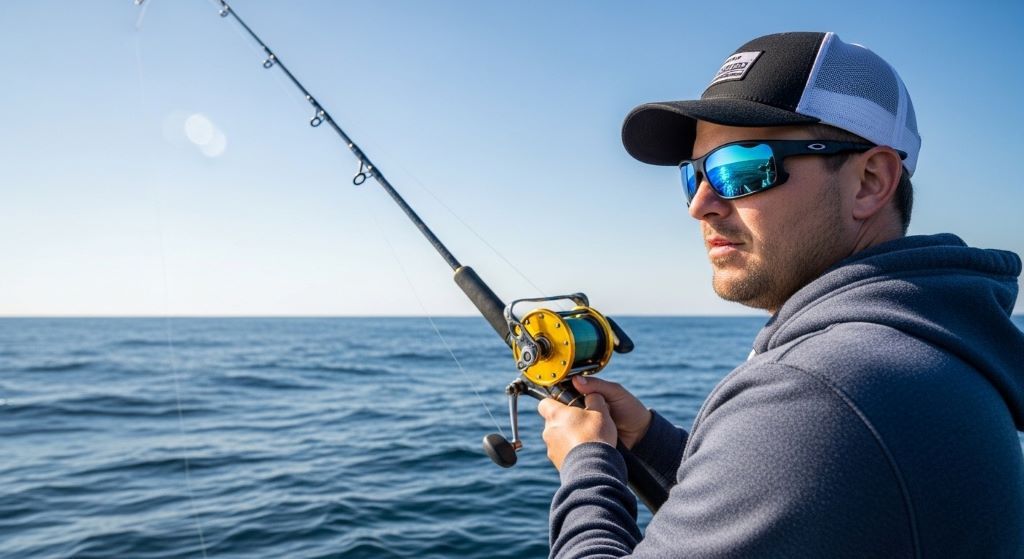
Blue or purple mirror coatings add another layer of light reduction for extremely bright conditions. These mirrors reflect additional light away from your eyes while the base lens color continues working underneath. Mirror coatings also add durability to lens surfaces.
The Importance of Corrosion-Resistant Frames
Frame material determines how well your sunglasses survive the saltwater environment. Choosing corrosion-resistant frames is crucial for longevity and maintaining structural integrity over time.
Titanium represents the gold standard for saltwater fishing eyewear. This metal resists corrosion exceptionally well, even with constant salt exposure. Titanium frames are incredibly strong yet lightweight, making them comfortable for all-day wear. Additionally, titanium maintains its shape and doesn’t become brittle over time.
The main drawback of titanium is cost. These frames typically carry premium price tags. However, their durability often makes them more economical long-term compared to replacing cheaper frames multiple times.
TR-90 nylon is a synthetic material that has become increasingly popular for fishing sunglasses. This thermoplastic offers excellent corrosion resistance since it doesn’t contain metal components that can oxidize. TR-90 is flexible, lightweight, and impact-resistant, making it ideal for active fishing situations.
Furthermore, TR-90 frames float if dropped in water, which can save you from losing expensive eyewear overboard. This material also resists temperature extremes better than many alternatives.
Stainless steel frames can work if they’re specifically treated for marine use. However, not all stainless steel is equally corrosion-resistant. Look for 316-grade stainless steel, which contains molybdenum for enhanced corrosion resistance. Even so, these frames require more maintenance than titanium or TR-90 options.
Avoid aluminum frames for serious saltwater fishing. While aluminum is lightweight and affordable, it corrodes readily in salt environments. The same goes for cheap metal alloys, which will show corrosion within weeks of regular ocean exposure.
Lens Coatings and Treatments
Beyond the base lens material, various coatings enhance performance and durability. Understanding these treatments helps you select sunglasses that meet your specific needs.
Scratch-resistant coatings protect lens surfaces from damage. Saltwater fishing involves lots of handling, potential drops, and contact with fishing line or equipment. A good scratch-resistant coating significantly extends lens life. However, remember that scratch-resistant doesn’t mean scratch-proof. Proper care is still necessary.
Hydrophobic coatings cause water to bead up and roll off lens surfaces. This treatment is incredibly valuable when fishing, as it keeps your vision clear during spray or rain. Water droplets don’t cling to hydrophobic lenses, meaning you spend less time wiping them and more time fishing.
Oleophobic coatings repel oils, including those from sunscreen, skin contact, and fish handling. These coatings make cleaning easier and prevent smudges from interfering with vision. Combined with hydrophobic treatment, oleophobic coatings keep lenses cleaner throughout your fishing day.
Anti-reflective coatings on the inside of lenses reduce distracting reflections from behind you. Without this treatment, light can bounce off the inside lens surface and into your eyes, creating ghost images and reducing clarity. This coating is particularly important for wrap-around styles that sit close to your face.
Frame Style and Fit Considerations
The best lens technology means nothing if your sunglasses don’t fit properly or stay secure during active fishing. Frame style impacts both comfort and functionality.
Wrap-around styles provide the most protection for fishing. These designs curve around your face, blocking light from the sides and reducing exposure to wind and spray. The extended coverage also offers more UV protection by limiting rays that sneak around frame edges.
However, wrap-around frames must fit your face shape correctly. Too much curve can distort peripheral vision, while too little defeats the purpose. Try on different models to find the right balance for your face.
Full-rim frames offer maximum durability and lens protection. The frame surrounds the entire lens, providing structural support and protecting lens edges from chips and cracks. For offshore fishing gear applications where conditions can be rough, full-rim construction proves most reliable.
Semi-rimless or rimless designs reduce weight and provide an unobstructed field of view. However, they sacrifice some durability compared to full-rim options. These styles work better for calmer inshore fishing rather than demanding offshore conditions.
Temple design affects how well sunglasses stay in place. Look for rubberized or textured temple tips that grip gently without causing pressure points. Some models offer adjustable nose pieces and temple lengths for customized fit.
Consider co-molded rubber components on frames. These soft materials increase comfort and grip, especially when wet. Rubber nose pads and temple tips prevent slipping when you’re sweating or wet from spray.
UV Protection Standards
All sunglasses marketed for fishing should provide complete UV protection. However, not all products deliver on this promise. Understanding UV protection standards helps you verify you’re getting adequate coverage.
Look for labels indicating UV400 or 100 percent UV protection. These designations mean the lenses block all ultraviolet light up to 400 nanometers, including UVA and UVB rays. This complete protection prevents both short-term damage like photokeratitis and long-term issues such as cataracts.
The darkness of a lens doesn’t correlate with UV protection. Dark lenses without proper UV coatings can actually be more dangerous than wearing no sunglasses at all. Your pupils dilate in response to the darkness, allowing more UV radiation to enter your eyes.
Therefore, always choose sunglasses from reputable manufacturers who provide documentation of UV protection standards. Cheap sunglasses without verified UV protection can cause serious eye damage, especially in the high-exposure environment of saltwater fishing.
Practical Features for Fishing Applications
Beyond basic lens and frame considerations, several practical features enhance the fishing experience and protect your investment.
A secure retention system prevents losing your sunglasses overboard. Adjustable straps or cords that attach to the temples keep eyewear around your neck when not on your face. Choose systems with floatation devices if possible, adding an extra layer of security.
A hard case protects sunglasses during transport and storage. Soft pouches offer minimal protection compared to hard-shell cases. Look for cases with moisture-wicking interiors that prevent mildew and corrosion from trapped dampness.
Ventilation features prevent fogging in humid conditions or during temperature changes. Small vents in the frame allow air circulation without compromising light-blocking. Anti-fog coatings on lenses provide additional protection against condensation.
Interchangeable lens systems offer versatility for changing conditions. Some premium sunglasses allow you to swap lenses based on light levels or water clarity. This feature adds significant value if you fish in varied conditions.
Maintenance and Care
Proper maintenance extends the life of your fishing sunglasses significantly. Even the best corrosion-resistant frames and high-quality lenses need appropriate care.
Rinse your sunglasses with fresh water after every saltwater exposure. This simple step removes salt deposits before they can cause damage. Use lukewarm water and gentle pressure, avoiding hot water that might damage coatings.
Clean lenses with appropriate materials only. Microfiber cloths specifically designed for eyewear won’t scratch coatings. Avoid using clothing, towels, or tissues, which can contain abrasive particles. Purpose-made lens cleaning solutions work better than household cleaners, which may damage coatings.
Store sunglasses in their case when not wearing them. Leaving them exposed on boat surfaces invites damage from equipment, being stepped on, or sliding overboard. The case also protects against unnecessary UV exposure, which can degrade some frame materials over time.
Inspect hinges and screws regularly. Salt can work into mechanical parts, causing corrosion and loosening. Tighten screws as needed and consider occasional application of corrosion-resistant lubricant designed for marine use.
Budget Considerations and Value
Quality fishing sunglasses represent a significant investment. Understanding the relationship between price and performance helps you make smart purchasing decisions.
Entry-level fishing sunglasses typically cost between $30 and $80. At this price point, expect basic polarized lenses and adequate frame construction. These options work fine for occasional fishing but may not withstand constant saltwater exposure long-term.
Mid-range options from $80 to $200 offer better lens quality, superior frame materials, and enhanced durability. This category provides the best value for most anglers who fish regularly but don’t need top-of-the-line features.
Premium sunglasses exceeding $200 deliver exceptional optical clarity, advanced lens technology, and the most durable construction. Professional anglers and those fishing in demanding offshore fishing gear environments often find this investment worthwhile.
Consider cost per use rather than just purchase price. Cheap sunglasses that need replacing every season ultimately cost more than quality eyewear that lasts five or ten years. Additionally, better sunglasses typically provide superior eye protection and fishing performance.
Special Considerations for Different Fishing Styles
Various saltwater fishing approaches may influence your sunglasses choice. Matching eyewear to your specific fishing style optimizes both comfort and functionality.
Offshore anglers need maximum durability and performance. Large gamefish fishing involves rough seas, intense sun, and potential equipment impacts. Prioritize robust corrosion-resistant frames, premium polarized lenses, and secure retention systems for these demanding conditions.
Inshore fishing allows slightly more flexibility. Calmer waters and easier access to replacements mean you can consider a wider range of styles. However, don’t skimp on polarization quality, as seeing fish in shallow water remains crucial.
Fly fishing in saltwater requires excellent visibility and precision. Superior lens clarity becomes paramount for spotting fish and accurately judging distances. Consider models with exceptional optical quality even if it means paying more.
Wade fishing introduces unique challenges like increased splash exposure and the need for floating frames. Look for lightweight designs that won’t become uncomfortable during long hours on your feet. Floating construction prevents loss if they come off in the water.
Making Your Final Selection
Choosing sunglasses for saltwater fishing involves balancing multiple factors against your budget and fishing style. Start by identifying your primary needs based on where and how you fish most often.
Try before buying whenever possible. Online shopping offers convenience, but proper fit significantly impacts comfort and function. Visit retailers where you can try multiple models and compare them directly.
Read reviews from other anglers, particularly those fishing in similar conditions. Real-world performance feedback often reveals issues or benefits not apparent from specifications alone.
Consider purchasing from companies with good warranty and customer service. Quality manufacturers stand behind their products with warranties covering defects and sometimes offering crash replacement programs for accidental damage.
Don’t forget that prescription sunglasses are available for those needing vision correction. Many fishing sunglass manufacturers offer prescription options, allowing you to enjoy premium polarized lenses without wearing contacts or dealing with clip-ons.
Conclusion
Selecting the right sunglasses for saltwater fishing requires careful consideration of multiple factors. Quality polarized lenses form the foundation, providing glare reduction and underwater visibility essential for fishing success. Equally important are corrosion-resistant frames that withstand the harsh marine environment season after season.
Understanding lens colors, coatings, and frame materials helps you match sunglasses to your specific fishing conditions. Whether pursuing gamefish in demanding offshore fishing gear scenarios or targeting inshore species in calmer waters, appropriate eyewear enhances both your fishing performance and eye health.
Remember that proper maintenance extends the life of your investment significantly. Rinsing salt away, using appropriate cleaning methods, and storing sunglasses properly ensures they perform well for years.
While quality fishing sunglasses represent a substantial investment, they provide crucial eye protection and improve fishing success. By following the guidelines in this article, you can select sunglasses that meet your needs, fit your budget, and deliver reliable performance throughout countless fishing adventures.
Frequently Asked Questions
How much should I spend on saltwater fishing sunglasses?
Plan to spend at least $80 to $150 for reliable saltwater fishing sunglasses that will last multiple seasons. This range typically offers good polarization, durable frames, and adequate corrosion resistance. If you fish frequently in harsh offshore conditions, consider investing $200 or more for premium features and extended durability.
Can I use regular polarized sunglasses for saltwater fishing?
Regular polarized sunglasses may provide glare reduction but likely lack the frame durability and corrosion resistance needed for saltwater environments. Fashion sunglasses typically use materials that corrode or degrade quickly when exposed to salt spray. Fishing-specific sunglasses are engineered to withstand marine conditions while providing optimized lens colors for water visibility.
What lens color is best for saltwater fishing?
Gray lenses work well for bright conditions and provide true color perception. Copper or amber lenses enhance contrast and perform better in lower light or murky water. Green lenses offer versatility across various conditions. The best choice depends on your typical fishing conditions and personal preference. Many serious anglers own multiple pairs with different lens colors.
How do I prevent my sunglasses from fogging up while fishing?
Choose sunglasses with ventilation features that allow air circulation. Apply anti-fog treatments to lens interiors before fishing trips. Avoid tucking sunglasses under your hat brim where they trap moisture and heat. When fogging occurs, remove the glasses briefly to allow air circulation and temperature equalization.
Will saltwater really damage my sunglasses that quickly?
Yes, saltwater is extremely corrosive and can damage inferior sunglasses surprisingly fast. Metal frames without proper corrosion resistance may show oxidation within weeks of regular exposure. Lens coatings can degrade rapidly if not designed for saltwater use. Even quality fishing sunglasses need proper maintenance, including fresh water rinsing after each use, to maximize their lifespan.
Related Topics:
How Often Should You Replace Fishing Line? Here’s the Truth
How to Catch More Fish in the Heat: Summer Fishing Tips That Work