
Your vehicle’s undercarriage faces constant threats from road debris, potholes, and speed bumps. Hidden damage beneath your car can lead to expensive repairs if left undetected. Learning how to spot undercarriage impact damage early saves money and keeps you safe on the road.
Understanding Undercarriage Impact Damage
The undercarriage includes all components underneath your vehicle. This area contains critical parts like the exhaust system, fuel tank, suspension, and oil pan. Impact damage occurs when these parts strike objects on the road.
Common causes include hitting potholes, scraping over curbs, and driving over debris. Additionally, bottoming out on steep driveways can cause significant harm. Off-road driving also increases the risk of undercarriage damage.
Warning Signs of Undercarriage Damage
Several indicators suggest your vehicle has sustained undercarriage damage. Recognizing these signs helps you address problems quickly.
Strange noises represent the most obvious warning sign. You might hear scraping, rattling, or clunking sounds while driving. These noises often become louder when going over bumps or turning corners.
Fluid leaks under your parked car signal potential damage. Oil, coolant, or transmission fluid puddles indicate a compromised component. However, small amounts of water condensation from your air conditioner are normal.
Changes in handling or steering feel also indicate problems. Your car might pull to one side or feel unstable at highway speeds. Therefore, any unusual driving behavior warrants immediate inspection.
Visible damage to the undercarriage is another clear sign. Dents, scratches, or hanging parts mean impact has occurred. Furthermore, damaged heat shields often create rattling sounds.
Visual Inspection Methods
Conducting regular visual inspections helps catch damage early. You can perform basic checks without special equipment.
Start by parking your vehicle on level ground. Turn off the engine and engage the parking brake for safety. Use a flashlight to examine the undercarriage thoroughly.
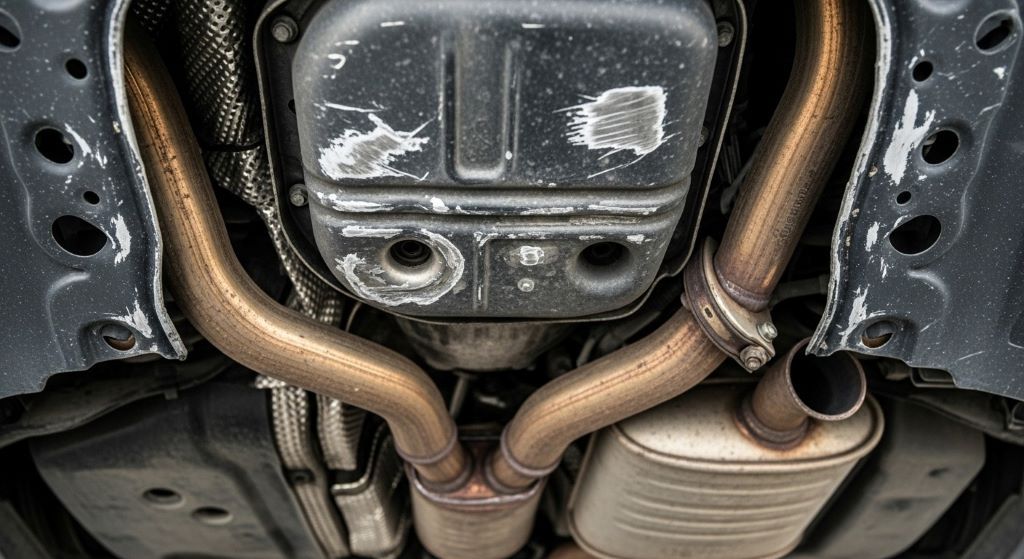
Look for fresh scratches, dents, or bent components. Pay special attention to the exhaust system and fuel tank. Additionally, check for loose or hanging parts that might have been knocked out of place.
Inspect for fluid leaks by checking for wet spots or drips. Different fluids have distinct colors and textures. Oil appears brown or black, while coolant is typically green, orange, or pink.
Examine the protective shields and covers underneath. These plastic or metal guards protect vital components from road debris. Consequently, damaged shields leave important parts vulnerable.
Check suspension components for signs of impact. Bent control arms or damaged shock absorbers affect ride quality. Moreover, worn bushings or loose connections pose safety risks.
Professional Inspection Techniques
Professional mechanics use advanced methods to detect undercarriage damage. These techniques provide more comprehensive assessments than visual inspections alone.
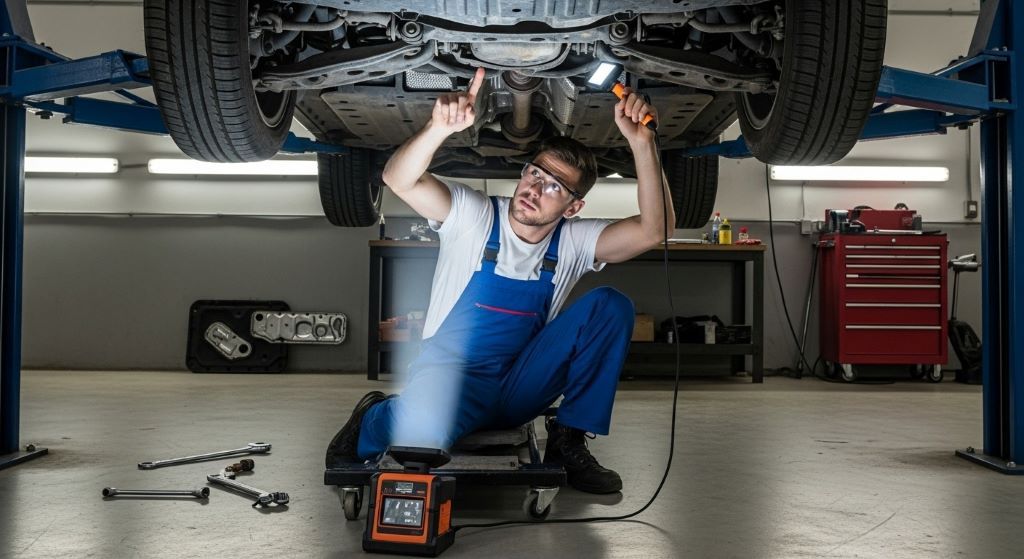
Lift inspections allow complete access to the undercarriage. Mechanics raise vehicles on hydraulic lifts to examine every component closely. This method reveals damage that ground-level inspections might miss.
According to automotive experts at Consumer Reports, thorough undercarriage inspections are essential when evaluating used vehicles. They recommend having professionals check for rust, leaks, and structural damage.
Diagnostic scans identify electronic system problems caused by impact. Modern vehicles have sensors throughout the undercarriage. Therefore, impact damage can trigger warning lights on your dashboard.
Pressure tests help detect leaks in fluid systems. Mechanics pressurize systems to find small leaks invisible to the naked eye. This technique works well for exhaust, cooling, and fuel systems.
DIY Inspection Tools and Equipment
Having the right tools makes undercarriage inspections easier and safer. Basic equipment allows you to perform regular checks at home.
A good flashlight or work light is essential for visibility. LED lights provide bright, focused illumination in tight spaces. Additionally, a mirror on an extendable handle helps view hard-to-reach areas.
Jack stands and a hydraulic jack enable safe vehicle lifting. Never rely on a jack alone for support. Always use jack stands rated for your vehicle’s weight.
Mechanics creepers make sliding under vehicles more comfortable. These low-profile carts protect your back and clothes. However, ensure your vehicle is properly supported before going underneath.
Protective gloves and safety glasses prevent injuries during inspections. Sharp edges and dripping fluids pose hazards. Therefore, proper safety equipment is non-negotiable.
Common Types of Undercarriage Damage
Different impact scenarios cause specific damage patterns. Understanding these helps you know what to look for.
Exhaust system damage occurs frequently from bottoming out. Bent or crushed pipes restrict exhaust flow and reduce performance. Furthermore, damaged catalytic converters are expensive to replace.
Oil pan damage leads to catastrophic engine failure if ignored. Even small cracks can drain all your engine oil quickly. The National Highway Traffic Safety Administration emphasizes the importance of maintaining vehicle components to prevent safety hazards.
Fuel tank dents or punctures create serious safety risks. Leaking fuel is highly flammable and environmentally harmful. Consequently, suspected fuel system damage requires immediate professional attention.
Suspension damage affects vehicle stability and tire wear. Bent control arms or damaged struts compromise handling. Additionally, alignment problems develop when suspension components are damaged.
Frame damage represents the most serious undercarriage issue. Bent or cracked frames compromise structural integrity. Moreover, frame damage often totals older vehicles due to repair costs.
When to Seek Professional Help
Some damage requires professional expertise to diagnose and repair properly. Knowing when to visit a mechanic prevents minor issues from becoming major problems.
Persistent warning lights on your dashboard indicate system malfunctions. Modern vehicles monitor numerous components electronically. Therefore, diagnostic equipment is needed to identify specific problems.
Unusual noises that change with speed or road conditions need expert evaluation. These sounds often indicate loose or damaged components. Ignoring them can lead to complete failure while driving.
Any fluid leak demands immediate attention from a qualified mechanic. Leaks can quickly drain essential fluids and cause severe damage. Additionally, some leaks pose fire hazards.
Handling problems or steering difficulties are safety-critical issues. These symptoms suggest suspension or steering system damage. Professional repair ensures your vehicle remains safe to drive.
Preventive Measures and Best Practices
Preventing undercarriage damage is easier and cheaper than repairing it. Simple precautions reduce your risk significantly.
Drive cautiously over speed bumps and potholes. Slow down and approach at an angle when possible. This technique minimizes impact force on undercarriage components.
Avoid parking curbs and steep driveways when possible. If you must use them, approach slowly and at the correct angle. Furthermore, know your vehicle’s ground clearance limits.
Install aftermarket protection for vulnerable components. Skid plates shield the oil pan and transmission. These additions are especially valuable for off-road driving.
Perform regular visual inspections every few months. Early detection prevents minor damage from worsening. Additionally, pre-trip checks before long journeys are wise.
Keep protective shields and covers in good condition. Replace damaged guards promptly to maintain protection. These inexpensive parts prevent costly component damage.
Conclusion
Detecting automobile undercarriage impact damage requires vigilance and regular inspections. By understanding warning signs and using proper inspection techniques, you can identify problems early. Visual inspections help spot obvious damage, while professional assessments reveal hidden issues. Prevention through careful driving and protective equipment reduces damage risk. Remember that addressing undercarriage damage promptly protects your safety and saves money on repairs.
Frequently Asked Questions
How often should I inspect my vehicle’s undercarriage?
You should visually inspect your undercarriage every three months or after driving through rough conditions. Additionally, have professionals examine it during routine oil changes and annual maintenance visits.
Can I drive with minor undercarriage damage?
Minor cosmetic damage like small scratches may not affect drivability. However, any damage involving fluid leaks, exhaust systems, or suspension requires immediate professional evaluation before continuing to drive.
How much does undercarriage damage repair typically cost?
Repair costs vary widely depending on damage severity. Simple fixes like replacing a damaged shield cost between fifty and two hundred dollars. Therefore, major repairs involving suspension or frame damage can exceed several thousand dollars.
Does insurance cover undercarriage impact damage?
Coverage depends on your policy and how damage occurred. Collision coverage typically covers impact damage from accidents. However, damage from road hazards might require comprehensive coverage or may not be covered at all.
What are the most vulnerable undercarriage components?
The oil pan, exhaust system, and fuel tank are most vulnerable to impact damage. Additionally, suspension components and transmission cases often sustain damage from road hazards and bottoming out.
Related Topics:
Protecting Car Paint From Industrial Fallout in Urban Areas