


In the misty hills of Oregon, a quiet revolution rolls on four wheels. Eco skateboarding, a blend of passion and planet-friendly practices, thrives here. Skate green isn’t just a slogan; it’s a lifestyle reshaping skate culture. From Portland’s DIY skateparks to sustainable board makers, Oregon pioneers greener ways to shred. This blog post tells the story of how the state’s skaters, brands, and communities are carving a sustainable future. With eco skateboarding at its core, Oregon’s efforts inspire riders worldwide. Join us on this journey to explore how skating can save the planet, one ollie at a time.
The Roots of Skateboarding in Oregon
Oregon’s skateboarding scene began in the 1990s under Portland’s Burnside Bridge. A group of skaters poured concrete to create a DIY skatepark, sparking a movement. This gritty, community-driven ethos still defines Oregon’s skate culture. Today, the state boasts over 150 public skateparks, more per capita than any other, according to Skate Oregon. These spaces foster creativity and connection, but they also pose environmental challenges. Concrete-heavy parks and traditional skate gear often harm the planet.
However, Oregon’s skaters are flipping the script. They’re rethinking materials and practices to make skateboarding sustainable. Local brands and riders lead the charge, proving eco skateboarding can thrive without sacrificing style or performance. The Burnside legacy lives on, now with a green twist, as Oregon shapes a future where skating and sustainability coexist.
Why Eco Skateboarding Matters
Skateboarding seems eco-friendly—after all, it’s human-powered. Yet, traditional boards rely on Canadian maple, which grows slowly and contributes to deforestation. According to the University of Exeter, the skate industry’s carbon footprint includes manufacturing, shipping, and non-biodegradable components like urethane wheels. This duality makes eco skateboarding vital. Oregon’s response is a blueprint for change.
Sustainable practices reduce environmental harm while preserving skate culture’s rebellious spirit. Skaters here choose bamboo decks, recycled wheels, and hemp clothing to cut waste. These choices matter. A 2023 study by the Sports & Fitness Industry Association found that 68% of skaters prefer eco-friendly gear when available. Oregon’s push for greener skating reflects a broader shift, encouraging riders to protect the planet they shred on.
Oregon’s Sustainable Skateboard Brands
Oregon is home to brands like Arbor Collective, founded in 1995 with a mission to craft eco-friendly boards. Arbor uses bamboo, recycled wood, and plant-based resins, reducing reliance on maple and petroleum. Their process stretches resources, minimizing waste. According to Arbor’s 2024 sustainability report, they’ve preserved over 10,000 acres of indigenous forests through sales proceeds.
Another standout is Iris Skateboards, based in Portland. They repurpose old decks into new ones, keeping boards out of landfills. Smaller brands, like re:ply Skateboards, reshape used boards for extended life. These efforts show how innovation drives eco skateboarding. By supporting local brands, skaters reduce shipping emissions and back a greener industry. Oregon’s brands prove sustainability doesn’t compromise quality or style.
Green Skateparks: A New Standard
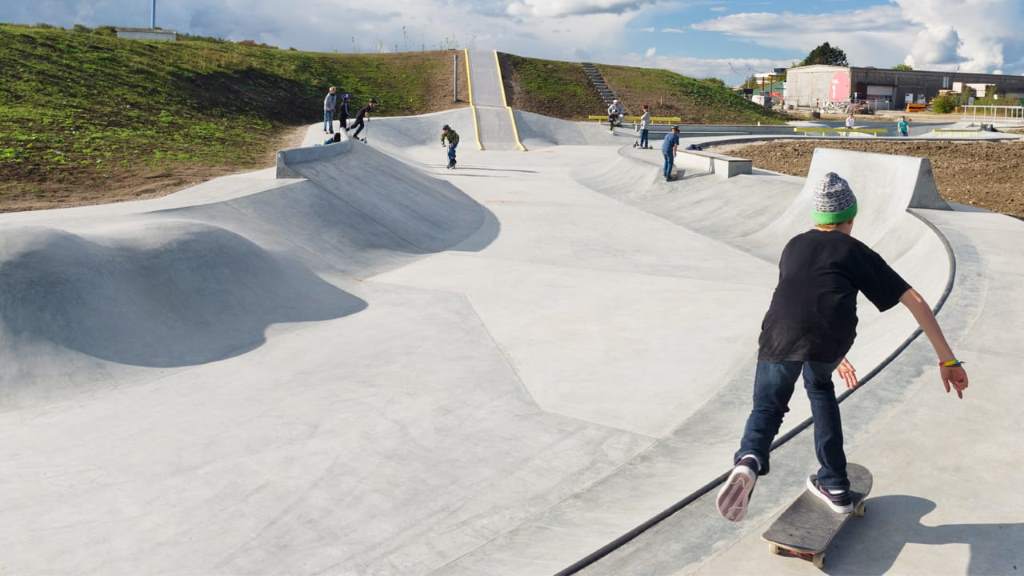
Skateparks are skateboarding’s heart, but concrete construction has a hefty environmental toll. Oregon is changing that with green skateparks. Prineville Skatepark, opened in 2019, uses stormwater filtration to reduce runoff, per Travel Oregon. Portland’s Ed Benedict Skate Plaza incorporates recycled materials and solar-powered lighting.
These parks do more than cut emissions. They include green spaces like native plants and trees, improving air quality and cooling urban areas. A 2024 report by the National Recreation and Park Association noted that green skateparks boost biodiversity by 20% in urban settings. Oregon’s designs inspire other states to follow suit. Skaters enjoy killer spots while knowing their playgrounds respect the planet. It’s a win-win for riders and nature.
A Personal Story: Skating with Purpose
Growing up in Eugene, I spent summers at the local skatepark, grinding rails and chasing tricks. But I noticed the wear—broken boards and trashed shoes piled up fast. Last year, I switched to a bamboo deck from a Portland brand. It felt different, lighter, and tougher. Knowing it was sustainably sourced made every session sweeter. I started repairing my gear instead of tossing it, inspired by Oregon’s eco skateboarding vibe. That shift changed how I skate and see the world. It’s not just about landing tricks; it’s about leaving a lighter footprint.
Sustainable Practices for Skaters
Skaters can go green without reinventing the wheel. Simple habits make a difference. For example, maintaining boards extends their life. Regularly clean bearings, re-grip decks, and replace only worn parts. Upcycling old boards into art or furniture keeps them out of landfills, as Iris Skateboards encourages.
Additionally, choosing local brands cuts shipping emissions. Skaters can join community cleanups or eco-friendly skate events, like those hosted by Decks for Change. Electric longboards, powered by rechargeable batteries, offer zero-emission commuting, per Earth Buddies. These practices align with Oregon’s ethos. By adopting them, skaters worldwide can contribute to eco skateboarding, ensuring the sport thrives for generations.
Community Efforts Driving Change
Oregon’s skate community is a catalyst for sustainability. Groups like Decks for Change use skate art to fund skateparks in underserved areas, promoting access and environmental awareness. Portland’s Skate Like a Girl chapter organizes eco-focused workshops, teaching kids to skate and recycle.
Local shops also play a role. Cal’s Skate Shop in Portland stocks sustainable gear and hosts repair clinics. According to a 2022 survey by the International Association of Skateboard Companies, 55% of skaters value community-driven initiatives. Oregon’s tight-knit scene proves that collective action amplifies impact. From cleanups to advocacy, these efforts make eco skateboarding a shared mission, inspiring riders to think beyond the board.
Challenges in Eco Skateboarding
Eco skateboarding isn’t without hurdles. Sustainable materials like bamboo or recycled urethane often cost more, deterring budget-conscious skaters. Scaling green production also lags behind demand. A 2023 report by the Sustainable Forestry Initiative noted that only 15% of skateboards use certified sustainable wood due to supply chain limits.
Moreover, some skaters resist change, clinging to traditional maple decks for their feel. Education is key. Oregon’s brands and communities tackle this by showcasing eco gear’s performance. While progress is slow, the state’s persistence shows that challenges can be overcome. By addressing cost and perception, Oregon paves the way for broader adoption of eco skateboarding practices.
The Future of Eco Skateboarding in Oregon
Oregon’s vision for eco skateboarding is bold. Brands are experimenting with biodegradable wheels and non-toxic glues. Skateparks are evolving, with plans for net-zero designs using solar panels and rainwater systems. The state’s universities, like Oregon State, are researching sustainable materials for sports gear. Explore DIY Skateboard Truck Repair for Stripped Baseplate Screws.
Globally, Oregon sets a standard. Its model—blending innovation, community, and activism—inspires places like California and Europe. According to the World Skateboarding Federation, eco-friendly skate gear sales rose 25% globally from 2020 to 2024, partly due to Oregon’s influence. The future looks green, with skaters leading the charge. As Oregon continues to innovate, eco skateboarding will roll into the mainstream, proving sustainability is here to stay.
Conclusion
Oregon’s skateboarding scene is more than tricks and parks; it’s a movement to skate green. From sustainable brands like Arbor to green skateparks in Prineville, the state redefines eco skateboarding. Communities and skaters unite, choosing bamboo decks and local shops to cut waste. Despite challenges, Oregon’s innovation and passion shine. This story of grit and green inspires riders everywhere to skate with purpose. Join the revolution—grab a sustainable board, hit a local park, and share your eco skateboarding journey in the comments below. Let’s keep the planet rolling for future shredders.
FAQs
What is eco skateboarding?
Eco skateboarding uses sustainable materials and practices to reduce environmental impact while skating.
How does Oregon promote sustainable skateboarding?
Oregon promotes it through green skateparks, eco-friendly brands, and community initiatives like cleanups.
Are sustainable skateboards as durable as traditional ones?
Yes, bamboo and recycled decks often match or exceed maple’s strength and performance.
Can beginners adopt eco skateboarding practices?
Absolutely, beginners can choose sustainable gear and maintain boards to extend their life.
Where can I find eco-friendly skate gear in Oregon?
Local shops like Cal’s Skate Shop and brands like Arbor offer sustainable options.
Tried eco skateboarding? Share your story or tips in the comments! Spread the word by sharing this post with fellow skaters.