
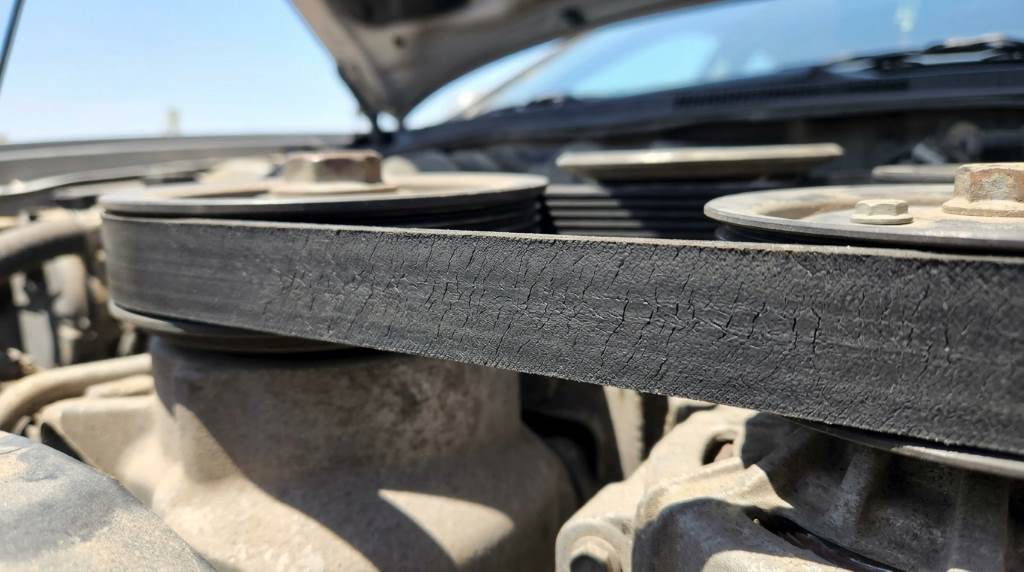

Engine belts usually snap in Phoenix because extreme heat accelerates belt aging, while worn tensioners, pulleys, leaks, and misalignment add stress. Phoenix temperatures can exceed 110°F, and even modest belt wear can create much more heat inside the drive system. For drivers researching reliable travel vehicles, top rated camper vans also need regular belt inspections before long desert trips.
1. Phoenix Heat Puts Extra Stress on Engine Belts
Phoenix creates a harsh environment for rubber engine components. Summer temperatures can push the local heat well above 110°F, placing additional thermal stress on belts and nearby components.
Moreover, engine compartments become hotter than the surrounding air during normal operation. That heat can harden belt material, reduce flexibility, and speed up surface deterioration over time.
Gates notes that belt wear can increase heat within the drive system significantly. Just 5 percent wear can add roughly 30 to 50 degrees of heat, which accelerates further deterioration.
Therefore, a belt that appears usable may already operate under damaging conditions. Phoenix drivers should treat heat exposure as a major maintenance factor rather than an ordinary environmental detail.
2. Worn Tensioners Can Make a Good Belt Fail
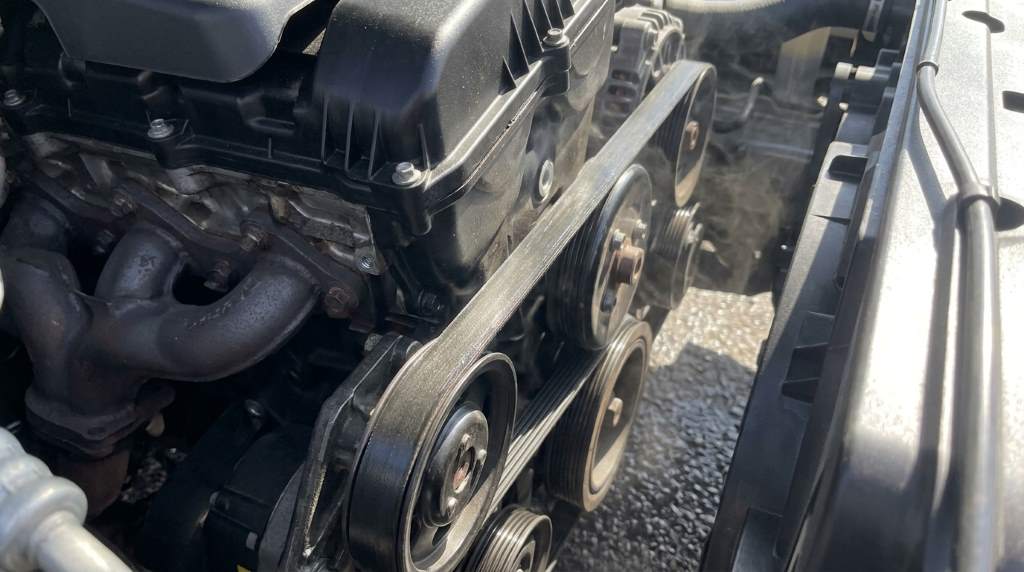
A serpentine belt depends on the tensioner to maintain steady pressure. When that component weakens, the belt can slip, vibrate, and generate excessive heat.
Furthermore, a weak tensioner can create uneven belt movement around the pulleys. That movement increases friction and may cause premature cracking, glazing, fraying, or complete belt separation.
When inspecting a belt system, technicians should check the tensioner instead of replacing only the visible belt. This anti slip garage floor guide is unrelated mechanically, but it illustrates why garage safety matters during vehicle maintenance.
A tensioner may also produce rattling or unusual movement before the belt breaks. Consequently, unusual belt noise deserves attention before it becomes a roadside failure.
3. Damaged Pulleys Can Tear Apart the Belt
Every pulley must rotate smoothly and maintain proper alignment. A worn bearing, damaged pulley surface, or seized component can force the belt to work against abnormal resistance.
Additionally, pulley misalignment can push the belt sideways. The belt may then develop edge wear, uneven ribs, or frayed sections before eventually leaving the pulley system.
Technicians should inspect every pulley whenever a belt shows unusual wear. This approach helps identify automobile undercarriage impact problems that might affect nearby components after road damage.
Never assume the belt caused every failure. Gates recommends examining the complete accessory belt drive because worn pulleys and tensioners can shorten new belt life.
4. Oil and Coolant Leaks Can Destroy Belt Material
Fluid contamination creates another common path toward belt failure. Engine oil, coolant, grease, and other chemicals can damage belt materials and reduce reliable grip.
For example, oil can soften or swell certain belt materials. Coolant contamination can also interfere with proper belt performance, especially when leaks continue for an extended period.
Gates specifically identifies oil, antifreeze, and other contamination as factors associated with premature belt problems. Drivers should therefore repair leaks before installing another belt.
Likewise, inspect the area around the belt for fresh fluid, residue, or dampness. If a new belt fails quickly, contamination may explain the repeated problem.
5. Incorrect Belt Installation Can Cause Early Failure
A replacement belt can fail quickly when technicians install it incorrectly. The belt must follow the manufacturer’s routing pattern and receive the correct tension.
Forcing a belt over a pulley can damage its internal tensile cords. Excessive tension can also overload bearings, while insufficient tension can create slipping and heat.
Always compare the belt routing with the vehicle manufacturer’s specifications. Also, verify that the replacement belt matches the engine and accessory configuration.
Gates recommends following manufacturer procedures for belt installation, tension, and maintenance. Improper installation can contribute directly to premature belt failure.
6. Age and Mileage Still Matter in Phoenix
Heat does not act alone when belts snap. Age, mileage, repeated engine cycles, and normal friction gradually reduce belt performance.
Over time, the belt may develop cracks, glazing, missing ribs, frayed edges, or unusual stiffness. However, some belts can lose performance without obvious visual damage.
Gates explains that belts can wear without making cracking or damage easy to see. Therefore, visual inspection alone cannot always determine remaining service life.
Instead, follow the vehicle manufacturer’s maintenance schedule and inspect the complete belt system regularly. Phoenix drivers may benefit from more frequent checks because extreme heat increases operating stress.
7. How to Spot a Belt That May Snap Soon
Most belt failures provide warning signs, although some failures happen suddenly. Paying attention to small changes can prevent a much larger roadside problem.
Watch for these warning signs:
- Squealing during startup or acceleration.
- Visible cracks, fraying, glazing, or missing ribs.
- Repeated belt slipping or vibration.
- Burning rubber smells near the engine.
- Unusual tensioner movement or rattling.
- Battery warning lights caused by reduced alternator operation.
- Air conditioning performance changes from belt driven components.
A squealing belt does not automatically mean the belt itself needs replacement. Gates notes that slipping and misalignment from tensioner wear often cause belt noise.
8. What Happens When a Serpentine Belt Snaps?
A snapped serpentine belt can disable several engine accessories at once. Depending on the vehicle, the belt may drive the alternator, air conditioning compressor, power steering pump, or water pump.
As a result, drivers may suddenly lose electrical charging, climate control, steering assistance, or engine cooling. The exact consequences depend on the vehicle’s belt routing and accessory design.
Stop driving if the belt breaks and the vehicle shows overheating or charging problems. Continuing to drive can turn a manageable belt repair into expensive engine damage.
Also, never assume you can safely reach a repair shop after a belt failure. A disabled water pump or charging system can create serious problems within a short distance.
9. How Phoenix Drivers Can Prevent Belt Failure
Prevention starts with regular inspection rather than waiting for visible failure. A technician should examine the belt, tensioner, idler pulleys, accessory pulleys, and nearby leaks together.
Use this simple maintenance checklist:
- Inspect the belt during routine service.
- Check tensioner movement and condition.
- Spin accessible pulleys for abnormal resistance.
- Look for oil or coolant contamination.
- Check belt alignment and routing.
- Replace damaged components before installing a new belt.
- Follow the manufacturer’s service interval.
Gates recommends inspecting the serpentine system around 60,000 miles and replacing worn components around 90,000 miles, or according to manufacturer guidance.
However, mileage alone should not determine service decisions. Phoenix heat, driving habits, vehicle age, and component condition can all influence actual belt life.
10. Why Replacing Only the Belt Can Backfire
Replacing only the snapped belt may provide a temporary solution. The underlying tensioner, pulley, alignment, or contamination problem can remain unresolved.
Consequently, the replacement belt may experience the same stress that destroyed the previous one. Gates reports that a worn tensioner can make a new belt wear substantially faster.
A complete inspection costs less trouble than repeated roadside failures. Ask the technician to identify why the original belt failed before approving the repair.
For steering related maintenance concerns, this resource about steering parts after leaks provides additional automotive context.
11. What to Do After an Engine Belt Snaps
If the belt snaps while driving, safely move away from traffic when possible. Then shut the engine off and arrange professional assistance.
Do not restart the engine repeatedly to test whether it still runs. A missing belt can prevent important accessories from operating correctly.
Next, tell the technician exactly what happened before the failure. Mention unusual noises, warning lights, overheating, steering changes, fluid leaks, or recent belt replacement.
That information can help the technician identify the root cause faster. A complete diagnosis should include the belt path and every component that contacts the belt.
Conclusion
Engine belts snap in Phoenix mainly because extreme heat combines with normal wear and component problems. Worn tensioners, damaged pulleys, contamination, misalignment, age, and incorrect installation can all accelerate failure.
Therefore, inspect the complete belt system instead of waiting for the belt to break. If you notice squealing, fraying, vibration, fluid contamination, or abnormal pulley movement, schedule an inspection promptly.
Most importantly, ask your automotive technician to diagnose the cause before installing another belt. That simple step can reduce repeat failures and help keep your vehicle dependable through Phoenix heat.
FAQs
How does Phoenix heat affect engine belts?
Phoenix heat accelerates belt aging and can increase heat generated by slipping or worn belt components.
How often should I inspect my serpentine belt?
Inspect it during routine maintenance and follow the vehicle manufacturer’s recommended service schedule.
Can a bad tensioner break a serpentine belt?
Yes, a failing tensioner can create slipping, misalignment, vibration, and excess heat that damages the belt.
Should I replace pulleys with a new belt?
Replace worn pulleys or tensioners when inspection shows damage, excessive movement, noise, or bearing problems.
Can I drive after my serpentine belt snaps?
No, stop driving because the failure may disable critical accessories and cause overheating or charging problems.