
Shoreline access can shape nearly every part of a dock project, from the first delivery to the way people use the finished structure. Steep banks, shallow water, soft ground, trees, retaining walls, and limited equipment space can change how builders approach the job. Experienced boat dock builders study these details early because a workable route from land to water makes construction safer and helps the dock fit the property better.
Shoreline Conditions Shape the Entire Dock Layout
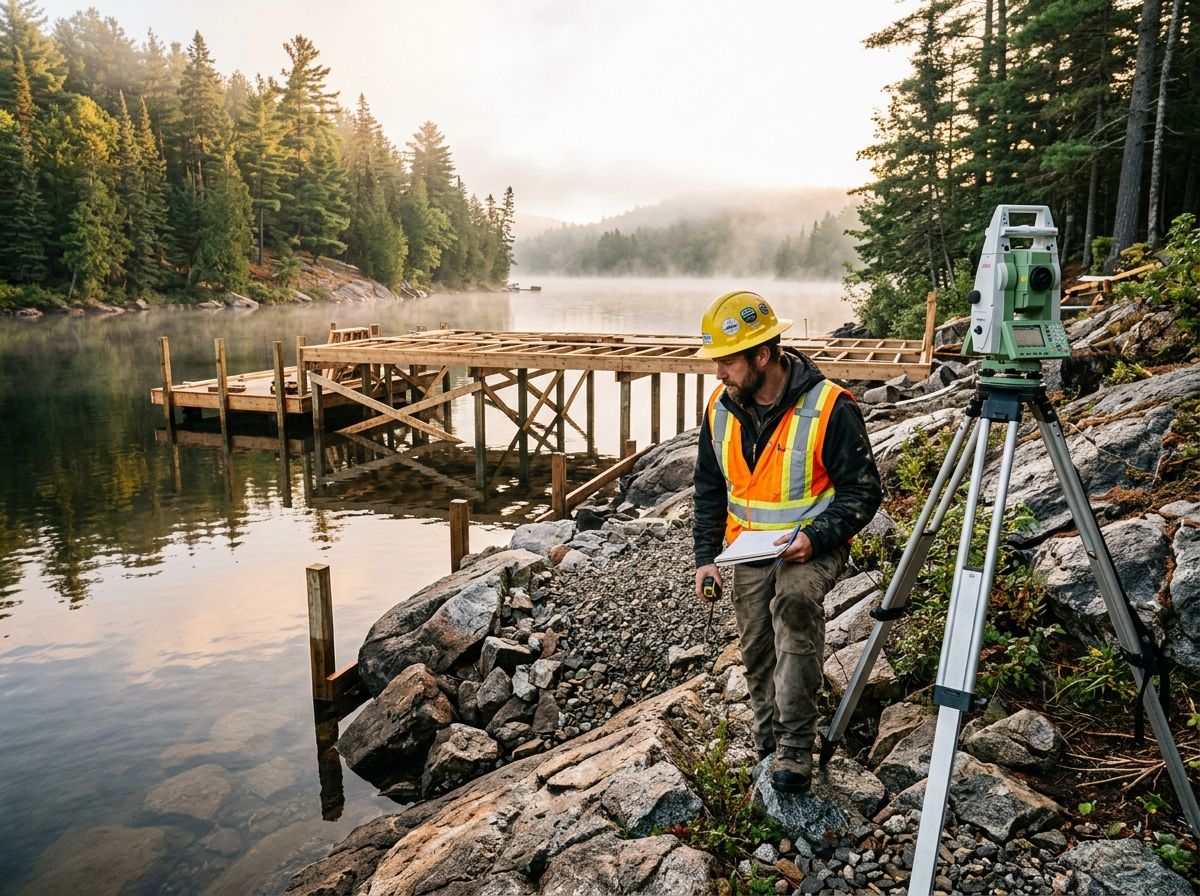
Access starts with understanding how the land meets the water. Builders look at the slope, soil firmness, water depth, bank condition, and usable space near the planned dock location. Those details help determine whether workers can carry materials by hand or whether machinery, barges, or other equipment will be needed. Poor access can also affect where the dock begins, how long the gangway needs to be, and whether a fixed or floating design makes sense.
Equipment Needs Depend Heavily on the Route to the Water
Construction equipment needs enough room to reach the work area without damaging landscaping, structures, or unstable ground. Narrow driveways, fences, septic areas, overhead lines, and mature trees may prevent larger machines from getting close to the shoreline. Skilled contractors often identify these limits before materials arrive so the crew can plan another method instead of improvising on installation day.
Alternative access may involve smaller equipment, sectional components, work boats, or assembly closer to the water. Floating dock contractors sometimes build sections on land and move them into position once the flotation system is ready. That approach can work well where shoreline space is tight, although the launch path still needs enough clearance. Early planning keeps delivery problems from turning into delays or unnecessary disturbance around the property.
Bank Stability Matters Before Anything Is Attached to Shore
A dock may be stable on the water while its land connection sits on weak soil. Erosion, saturated ground, loose fill, or a damaged retaining edge can allow stairs, gangways, and anchoring points to shift over time. Reliable boat dock builders inspect the transition area before attaching structural components because repeated dock movement can place additional pressure on an already weak bank. Reinforcement, adjusted placement, or a different connection method may be needed before installation continues.
Gangway Placement Affects Safety and Everyday Comfort
Gangways need more thought than simply finding the shortest route from land to dock. Water levels can change the angle throughout the year, so a walkway that feels comfortable in spring may become steep during lower water. Adequate length allows the connection to move through those changes without creating an awkward slope.
Foot traffic also influences placement. Families carrying coolers, fishing gear, life jackets, or water-sports equipment benefit from a clear route without sharp turns or unstable steps. Thoughtful floating dock contractors consider railing needs, landing width, surface traction, and how easily users can move between the yard and dock. A good entry point feels natural instead of forcing people around obstacles each time they head toward the water.
Material Choices Can Change With Difficult Shoreline Access
Heavy construction materials can become harder and more expensive to handle where machinery cannot reach the bank. Aluminum boat docks offer one option because individual frame sections may weigh less than comparable heavy timber assemblies. Lower weight can make transport and positioning easier on properties with narrow access or long distances between the driveway and shoreline.
Water Depth Near Shore Influences Where Construction Begins
Shallow water can prevent boats from reaching a dock placed too close to land. Mud, vegetation, rocks, or seasonal drawdowns may also make nearshore areas unsuitable for normal boat use. Contractors measure depth and consider how far the structure must extend before reaching dependable water.
Changing levels can create another complication. A fixed dock may work well where depths remain predictable, while floating systems can accommodate larger changes if anchoring and gangway design allow enough movement. Property owners searching for dock builders near me should ask how seasonal water conditions affect both access and dock placement. That discussion can prevent a finished structure from becoming difficult to use during part of the year.
Good Access Planning Reduces Damage During Construction and Future Service
Thoughtful access protects more than the construction schedule. Crews that know exactly how materials will reach the shoreline are less likely to create unnecessary ruts, disturb drainage, damage retaining walls, or remove vegetation that could have stayed in place. Future maintenance also becomes easier when technicians can reach anchors, gangways, hardware, flotation, and utility connections without taking apart unrelated areas.
Bar H Solutions provides dock construction and water installation services for waterfront properties where shoreline conditions influence how the project needs to be built. Property owners dealing with steep banks, limited equipment access, changing water levels, or challenging dock placement can consider the company when planning a new system or replacing an older one. Careful attention to the route between land and water helps create a dock that works with the property rather than forcing the property to work around the dock.