
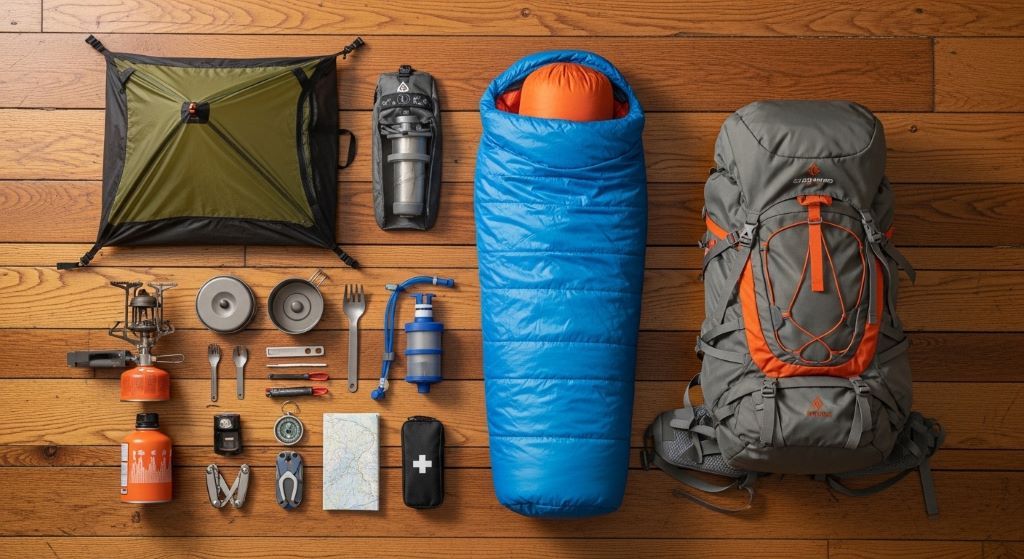

Planning a camping trip feels exciting. However, it can also feel overwhelming if you do not know where to start. The difference between a great outdoor adventure and a miserable one often comes down to preparation. Having the right gear, packed in the right order, sets you up for success before you even leave home.
This guide will help you build a thorough outdoor travel checklist from scratch. You will learn what gear you truly need, how to organize it, and how to adapt your packing list to different types of trips. Whether you are a first-time camper or a seasoned explorer, this article will give you a clear framework to follow.
Why a Well-Planned Gear Guide Changes Everything
Most camping mishaps are not caused by bad weather or rough terrain. They are caused by missing gear. A forgotten rain jacket, a missing fire starter, or the wrong sleeping bag can turn a fun trip into a frustrating one.
Additionally, a well-organized gear guide saves you time and money. You avoid last-minute purchases at overpriced camp stores. You also avoid the anxiety of wondering if you forgot something important. Therefore, taking the time to build a solid guide before your trip is one of the smartest things you can do as an outdoor traveler.
A good guide is also reusable. Once you build it, you can refine it after each trip and use it again and again. Over time, your list becomes a reliable reflection of your personal camping style and needs.
Start with the Big Four Categories of Camping Gear
Every camping gear guide should be organized around the four core categories: shelter, sleep, clothing, and food. These categories cover your most essential survival needs. Everything else fits around them.
Shelter
Your shelter protects you from wind, rain, cold, and insects. A reliable tent is the foundation of any camping setup. Choose one rated for the season and conditions you expect. A three-season tent works well for most travel trips. However, if you plan to camp in winter or at high altitude, you will need something more robust.
Additionally, consider a footprint or ground cloth to protect the tent floor from moisture and sharp rocks. A small tarp can serve as extra cover for your camp kitchen or gear storage area.
Sleep System
Your sleep system includes your sleeping bag, sleeping pad, and pillow. A good night of sleep is critical for enjoying your days outdoors. Therefore, do not cut corners here.
Choose a sleeping bag rated at least ten degrees colder than the lowest temperature you expect at night. Sleeping pads are equally important. They insulate you from the cold ground and provide cushioning. Foam pads are lightweight and affordable. Inflatable pads offer more comfort but require more care.
Clothing
Pack clothing in layers. A base layer manages moisture next to your skin. A mid layer provides insulation. An outer layer protects you from wind and rain. This system lets you adapt to changing conditions throughout the day.
Additionally, always pack more socks than you think you need. Wet feet are one of the most common sources of discomfort on camping trips. Moisture-wicking, quick-dry fabrics are a smart choice for most outdoor clothing.
Food and Water
Your food and water system covers cooking gear, food storage, and hydration tools. Plan your meals in advance. This helps you pack only what you need and avoid waste. However, always bring a small reserve of emergency calories such as energy bars or trail mix.
Water is non-negotiable. Carry at least two liters per person per day as a baseline. Additionally, bring a water filter, purification tablets, or a UV purifier for longer trips where you will rely on natural water sources.
Building Your Camping Tools List
Beyond the big four, every camper needs a solid camping tools list. These are the functional items that help you cook, navigate, stay safe, and maintain comfort at camp. Here is a breakdown of the most important ones:
- Camp stove and fuel: A lightweight backpacking stove is ideal for travel trips. Canister stoves are easy to use and widely available. Liquid-fuel stoves work better in cold weather.
- Cookware set: A compact pot, pan, and lid set made from titanium or hard-anodized aluminum keeps weight low while being durable.
- Multi-tool or knife: A quality multi-tool handles dozens of tasks around camp. Always include one on your list.
- Headlamp and extra batteries: A headlamp frees your hands for tasks after dark. Pack at least one backup set of batteries.
- Fire starting tools: Waterproof matches, a lighter, and a firesteel cover all your bases. Fire starting can be surprisingly difficult in wet or windy conditions.
- Navigation tools: A detailed map and compass are essential. A GPS device or downloaded offline maps on your phone are useful backups.
- First aid kit: Pack a comprehensive kit and know how to use it. Include blister treatment, bandages, antiseptic wipes, pain relief, and any personal medications.
- Repair kit: Duct tape, a tent pole splint, gear patches, and a needle and thread can save a trip when equipment fails.
Organizing your tools into a dedicated pouch or dry bag makes it easy to find what you need quickly. Additionally, knowing where each item lives in your pack reduces stress when the weather turns or an emergency arises.
Creating a Layered Outdoor Travel Checklist
A flat list of items can become hard to navigate as it grows longer. Therefore, a layered approach works much better. This means organizing your outdoor travel checklist into sections based on priority and timing.
Tier One: Non-Negotiables
These are the items you absolutely cannot camp without. Your tent, sleeping bag, sleeping pad, water filter, first aid kit, and navigation tools belong in this tier. Missing any of these can create a safety risk.
Tier Two: Core Comfort Items
This tier includes your stove, cookware, clothing layers, food, and headlamp. These items are not survival-critical in the same way, but missing them will significantly reduce your comfort and enjoyment.
Tier Three: Convenience and Extras
This tier covers items like a camp chair, solar lantern, trekking poles, a journal, or a camera. These are nice to have but not essential. Additionally, this is the tier to trim first if your pack is too heavy.
By organizing your checklist this way, you can quickly assess your packing priorities. If you are tight on space or weight, you start cutting from Tier Three, not Tier One.
Adapting Your Gear Guide to Different Trip Types
Not all camping trips are the same. A weekend car camping trip looks very different from a ten-day backcountry trek. Therefore, your gear guide should be flexible enough to adapt.
Car Camping
Car camping allows you to bring more comfort items because weight is not a constraint. You can pack a larger tent, a full-size cooler, and a camp kitchen setup with more cooking options. However, you should still organize everything carefully so your campsite does not become cluttered.
Backpacking
Backpacking requires strict weight discipline. Every item earns its place based on function and weight. Therefore, invest in lightweight versions of your core gear and eliminate any duplicate items. Aim for a base weight of under fifteen pounds if possible.
International Travel Camping
Camping abroad adds another layer of planning. You need to consider power adapter compatibility, local regulations around fires and camping zones, and whether you are checking gear on a flight. Additionally, research what gear is available locally in case something is lost or damaged in transit.
How to Review and Refine Your Gear Guide Over Time
Your first version of a camping gear guide will not be perfect. That is completely normal. The important thing is to start with a solid base and improve it after every trip.
After each camping trip, spend fifteen minutes reviewing what you used, what you did not use, and what you wished you had brought. Make notes directly on your checklist. Over time, this turns your generic list into a personalized, highly accurate guide.
Additionally, seasonal updates matter. Your summer packing list will differ from your autumn or winter list. Keep separate versions for different seasons and climates. This removes guesswork and makes packing faster each time.
Sharing your list with fellow campers is also valuable. Others may spot gaps or suggest items you had not considered. Community knowledge is one of the best resources in outdoor travel.
Packing Tips to Make the Most of Your Gear
Having the right gear is only half the battle. Packing it well is just as important. Poor packing can make even the lightest load feel heavy and disorganized.
Place heavy items like your sleeping bag, tent body, and food close to your back and between your shoulder blades. This keeps the weight centered over your hips, which is where you want to carry it.
Pack items you need during the day, such as snacks, rain gear, and your map, in the top lid or outer pockets. This avoids having to dig through your pack every hour on the trail.
Use color-coded dry bags or stuff sacks to organize different categories of gear. For example, red for first aid, blue for electronics, and green for food. This system makes finding items fast and intuitive, even in the dark.
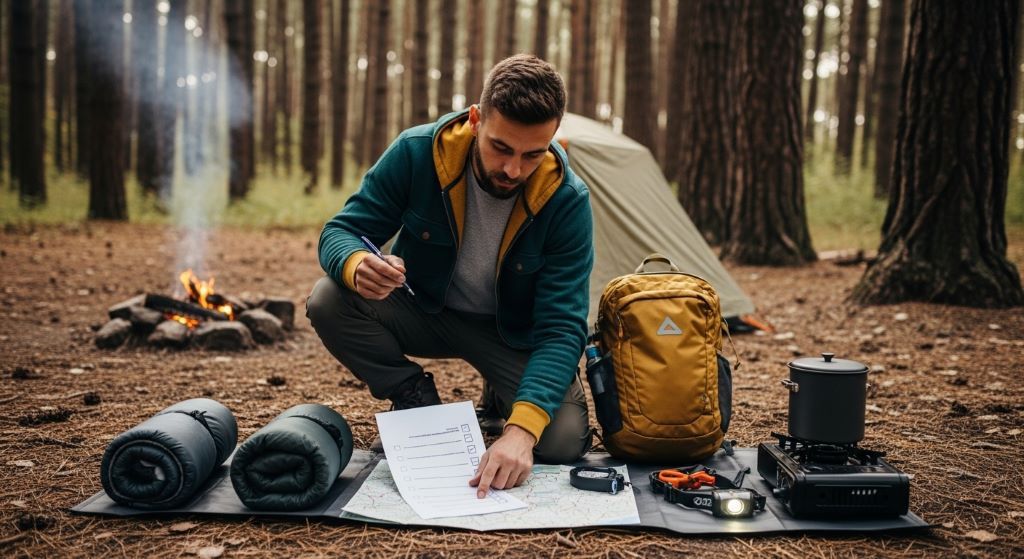
Finally, always do a full gear check the night before you leave. Lay everything out on a flat surface, check it against your list, and pack in a deliberate order. This single habit prevents most forgotten-item situations.
Safety Essentials That Should Always Stay on Your List
No matter how experienced you become as a camper, safety gear should never be optional. The outdoors is unpredictable. Therefore, certain items should remain on every version of your gear guide, regardless of trip length or location.
A personal locator beacon or satellite communicator is one of the most important safety investments you can make for remote travel. These devices allow you to call for help even without cell service. They can be rented if you prefer not to purchase one.
Additionally, a whistle, signal mirror, and emergency bivvy bag are small, lightweight items that take up almost no space. However, they can be life-saving in an emergency.
Sun protection is also a safety essential that many campers underestimate. Sunscreen, sunglasses, and a wide-brimmed hat protect you from UV damage, especially at altitude where the sun is stronger.
Conclusion
Building a complete camping gear guide for travel trips does not need to be complicated. It simply requires a thoughtful approach and a willingness to improve over time. Start by covering your four core categories: shelter, sleep, clothing, and food. Then build out your camping tools list with the functional items that support safety, navigation, and daily camp life.
Organize your outdoor travel checklist into tiers so you can prioritize and adapt for different trips. Pack your gear strategically so everything is accessible when you need it. Additionally, review and update your list after every trip to make it increasingly accurate and personal.
With a solid gear guide in hand, you will spend less time worrying about what you packed and more time enjoying the trails, mountains, forests, and skies that drew you outside in the first place. Prepare well, adventure confidently.
Frequently Asked Questions
1. What are the most important items on a camping gear guide for beginners?
Beginners should focus on the essentials first: a reliable tent, a season-appropriate sleeping bag, a sleeping pad, a camp stove, clean water tools, a first aid kit, and navigation tools. Once these are covered, you can add comfort items based on your specific trip needs.
2. How do I keep my camping gear guide from becoming too long and overwhelming?
Use the tiered approach described in this article. Divide your list into non-negotiables, core comfort items, and extras. This gives you a clear framework and makes it easy to cut items when space or weight is limited. Additionally, keep separate lists for different seasons or trip types to avoid one bloated master list.
3. How much should I expect to spend building a complete camping kit?
A functional beginner camping setup can cost anywhere from $150 to $500 depending on the quality of your tent and sleeping bag. However, you do not need to buy everything at once. Start with the essentials and add items over time. Many outdoor retailers also offer rental gear, which is a great way to test equipment before committing to a purchase.
4. Can I use a general packing app to manage my camping gear guide?
Yes. Apps like PackList, Gear Guru, or even a simple spreadsheet work well for managing a camping gear guide. The key is finding a format you will actually use consistently. Some campers prefer a printed checklist they can physically check off before a trip. Therefore, choose whatever system makes you most likely to stick with it.
5. How do I adjust my camping gear guide for international travel trips?
For international trips, add a section to your guide specifically for travel logistics. This includes checking airline restrictions for items like knives and fuel canisters, researching what gear is available locally, and packing lighter to accommodate luggage limits. Additionally, consider travel insurance that covers gear loss, as checking expensive equipment on flights carries a real risk of damage.
Related Topics:
Top Countries for Beach Holidays: Where to Go for Sun, Sand & Sea in 2025
Sleep Like a Baby on the Go: The Power of a Travel Pillow