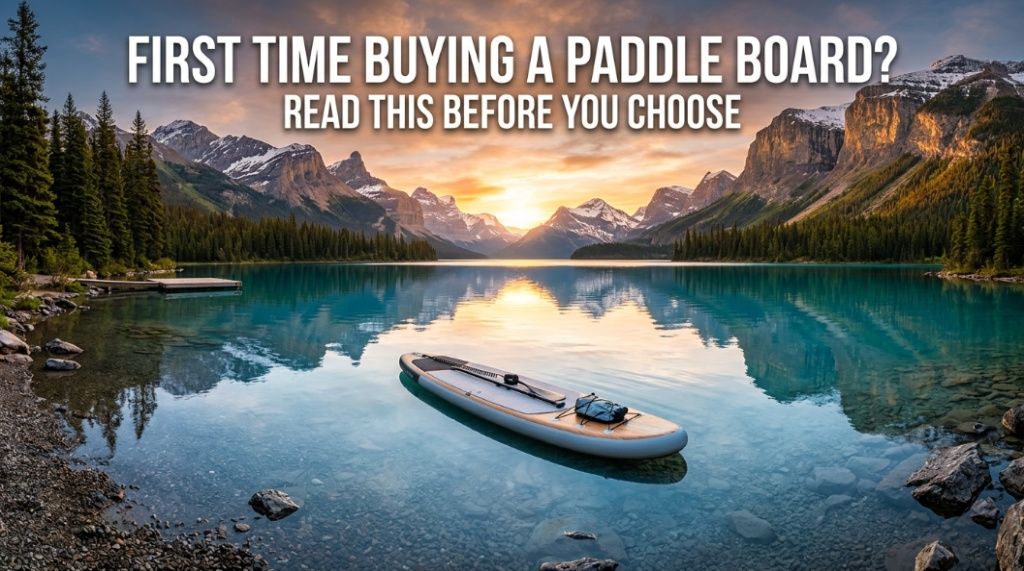

Most first-time buyers don’t realize the wrong paddle board can make calm water feel like a balancing contest. The smartest buying guide advice is simple: choose your paddle board based on where you’ll use it, your body weight, and your skill level—not based on trendy designs or cheap prices.
What Is a Paddle Board and Why Does Choosing the Right One Matter?
A paddle board is a long, stable board designed for standing, kneeling, or sitting while paddling across water using a single-blade paddle. Choosing the right board affects balance, speed, safety, portability, and overall enjoyment.
Stand-up paddle boarding (SUP) has become one of the fastest-growing water sports globally because it combines fitness, relaxation, and outdoor adventure. According to the Outdoor Industry Association, millions of people participate in paddle boarding annually because it works for lakes, rivers, oceans, fishing, yoga, and even touring.
But beginners often buy the wrong type of board. A narrow racing board might look impressive online, yet feel impossible to balance on for a new rider. A cheap inflatable board may flex too much under heavier riders. These mistakes lead to frustration, wasted money, and abandoned hobbies.
This paddle board buying guide explains exactly what beginners should look for before making a purchase, including board types, sizes, materials, accessories, pricing, and common mistakes.
What Type of Paddle Board Is Best for Beginners?
An all-around inflatable paddle board is usually the best option for beginners because it offers stability, versatility, and easier storage.
There are several types of paddle boards, and each serves a different purpose. Choosing the wrong category is one of the biggest beginner mistakes.
What Is an All-Around Paddle Board?
An all-around paddle board is designed for general recreational use and works well in lakes, calm rivers, small waves, and casual fitness paddling.
- Wide and stable
- Easy to balance on
- Suitable for most skill levels
- Works in different water conditions
- Great for families and beginners
If you’re buying your first SUP, this category usually offers the best experience.
What Is a Touring Paddle Board?
Touring paddle boards are longer and narrower, built for distance paddling and speed.
They track straighter through the water and require less effort over long distances. However, beginners may find them less stable.
Are Fishing Paddle Boards Worth It?
Fishing paddle boards are ideal for anglers because they provide extra width, storage space, and mounting points for gear.
These boards are heavier but extremely stable. Some models include:
- Rod holders
- Cooler mounts
- Bungee cargo systems
- Kayak seat compatibility
What Is a Racing Paddle Board?
Racing paddle boards are designed for speed and competitive paddling, not beginners.
They are narrow, lightweight, and difficult to balance on unless you already have experience.
Should You Buy an Inflatable or Hard Paddle Board?
Inflatable paddle boards are better for most beginners because they are portable, durable, and easier to store. Hard boards offer better performance and speed but require more storage space and transportation effort.
| Feature | Inflatable Paddle Board | Hard Paddle Board |
|---|---|---|
| Portability | Excellent | Limited |
| Storage | Easy | Requires large space |
| Durability | Highly impact resistant | Can crack or dent |
| Performance | Good | Excellent |
| Beginner Friendly | Very beginner friendly | Moderately beginner friendly |
| Travel Convenience | Fits in car trunk | Needs roof rack |
Why Are Inflatable Paddle Boards So Popular?
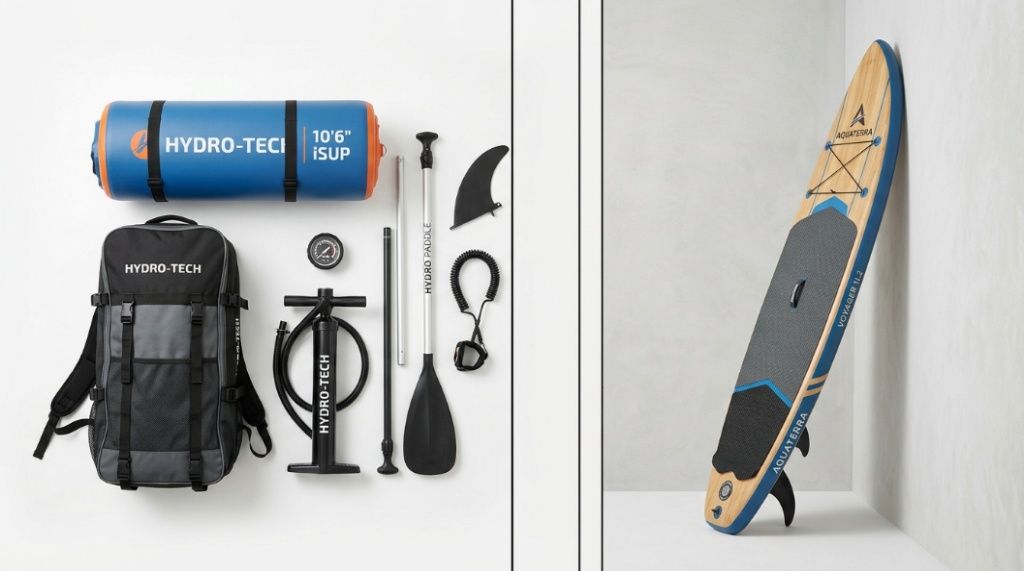
Modern inflatable SUPs use military-grade PVC and drop-stitch construction, making them surprisingly rigid once inflated.
For apartment owners, travelers, and casual paddlers, inflatable boards solve major storage and transportation problems. You can deflate the board and carry it in a backpack.
Do Hard Paddle Boards Perform Better?
Hard paddle boards glide more efficiently and respond faster in the water.
Experienced paddlers often prefer epoxy or fiberglass boards because they:
- Move faster
- Track better
- Feel more responsive
- Perform better in waves
However, they cost more and are easier to damage during transport.
What Size Paddle Board Should You Buy?
The right paddle board size depends on your weight, height, skill level, and intended use.
Board dimensions directly affect stability and speed.
How Long Should a Paddle Board Be?
Most beginners should choose a board between 10’6” and 11’6”.
- Shorter boards = more maneuverable
- Longer boards = faster and straighter tracking
For casual recreational paddling, 10’6” is one of the most versatile sizes available.
How Wide Should a Paddle Board Be?
Beginners should usually choose a board between 32 and 34 inches wide for better balance and stability.
Wider boards feel steadier underfoot, especially for:
- New paddlers
- Yoga SUP users
- Fishing
- Heavier riders
How Important Is Weight Capacity?
Weight capacity is extremely important because overloaded boards become unstable and inefficient.
Always calculate:
- Your body weight
- Gear weight
- Coolers or pets
- Safety margin
Experts recommend staying at least 20–30 pounds below the board’s maximum limit for better performance.
What Material Is Best for a Paddle Board?
Military-grade PVC is best for inflatable boards, while fiberglass and epoxy are popular for hard boards because they balance durability and performance.
What Materials Are Used in Inflatable SUPs?
High-quality inflatable paddle boards typically use:
- Drop-stitch core construction
- Multiple PVC layers
- Reinforced side rails
Cheaper boards often flex too much and lose rigidity in the water.
What Materials Are Used in Hard Paddle Boards?
Hard paddle boards commonly use:
- Fiberglass
- Epoxy
- Carbon fiber
- Plastic polyethylene
Carbon fiber boards are lightweight and fast but expensive. Polyethylene boards are durable but heavier.
How Much Should You Spend on Your First Paddle Board?
Most beginners should expect to spend between $300 and $900 for a quality paddle board package.
Extremely cheap boards often compromise stability, durability, and safety.
What Do Budget Paddle Boards Offer?
Budget paddle boards under $300 can work for casual use, but quality varies significantly.
Common issues include:
- Weak paddles
- Poor air retention
- Low-quality fins
- Thin deck pads
- Limited durability
Are Premium Paddle Boards Worth It?
Premium boards often include better materials, improved stability, stronger construction, and longer warranties.
You may also get:
- Carbon paddles
- Better carrying bags
- Dual-chamber pumps
- Higher PSI ratings
- Advanced fin systems
What Accessories Do You Need With a Paddle Board?
The most important paddle board accessories are a paddle, leash, pump, personal flotation device (PFD), and dry bag.
Why Is a Paddle Board Leash Important?
A leash keeps your board attached to you if you fall into the water.
Without a leash, wind or currents can quickly push your board away, creating a dangerous situation.
What Type of Paddle Should Beginners Use?
Adjustable fiberglass or aluminum paddles are ideal for beginners because they balance durability and affordability.
Carbon fiber paddles are lighter and more efficient but cost more.
Do You Need a Life Jacket for Paddle Boarding?
In many regions, a Coast Guard-approved PFD is legally required when paddle boarding outside swimming zones.
Even strong swimmers should wear one, especially in open water or changing weather conditions.
Where Will You Use Your Paddle Board Most Often?
Your primary water environment should heavily influence your buying decision.
What Paddle Board Is Best for Lakes?
All-around inflatable boards work extremely well on lakes because calm water prioritizes stability and comfort.
What Paddle Board Is Best for Ocean Use?
Ocean paddling requires boards with better tracking, stronger fins, and more control in waves or currents.
Beginners should avoid narrow racing boards in ocean conditions.
Can You Use a Paddle Board in Rivers?
Yes, but river paddling often requires durable construction and improved maneuverability.
Inflatable boards are popular for rivers because they handle impacts better than rigid boards.
What Features Should You Look for Before Buying?
The best beginner paddle boards combine stability, quality construction, portability, and safety-focused design.
What Deck Pad Features Matter?
A quality EVA foam deck pad improves grip and comfort while standing or kneeling.
Textured deck pads help reduce slipping when wet.
Why Do Fin Systems Matter?
Fin systems affect tracking, speed, and maneuverability.
Most beginner boards use:
- Single fin systems
- 2+1 fin setups
- Removable center fins
Larger center fins improve straight-line tracking.
Should You Buy a Paddle Board With Storage Bungees?
Yes, especially if you plan longer sessions or touring.
Bungee storage areas are useful for:
- Dry bags
- Water bottles
- Shoes
- Coolers
- Fishing equipment
What Mistakes Should First-Time Paddle Board Buyers Avoid?
The most common mistake is buying based on price alone instead of intended use and rider compatibility.
Is Buying the Cheapest Paddle Board a Bad Idea?
Cheap boards often lead to poor experiences because of instability, flexing, and low-quality accessories.
A slightly higher investment usually improves long-term satisfaction.
Why Is Board Width So Important for Beginners?
Narrow boards may look sleek, but beginners struggle to balance on them.
Wider boards build confidence faster and reduce fatigue.
Should Beginners Ignore Weight Ratings?
No. Ignoring weight capacity causes poor stability and inefficient paddling.
Always choose a board designed for your total carrying load.
How Can You Tell if a Paddle Board Brand Is Reliable?
Reliable paddle board brands provide clear specifications, verified customer reviews, warranties, and responsive customer support.
Before buying, check:
- Warranty coverage
- Material details
- Online reviews
- Replacement part availability
- Pump and paddle quality
Trusted brands usually provide detailed PSI recommendations, sizing charts, and realistic performance claims.
Is Paddle Boarding Good Exercise?
Yes. Paddle boarding is a low-impact full-body workout that improves balance, core strength, endurance, and cardiovascular fitness.
Research shows paddle boarding engages:
- Core muscles
- Leg stabilizers
- Back muscles
- Shoulders and arms
It also supports mental wellness because outdoor water activities reduce stress and improve relaxation.
Conclusion: What Should First-Time Paddle Board Buyers Remember?
The best paddle board is not the most expensive or the fastest-looking model. It’s the one that matches your experience level, body weight, water conditions, and intended use.
For most beginners, an all-around inflatable SUP offers the ideal balance of stability, portability, affordability, and versatility. Focus on width, weight capacity, build quality, and safety accessories before making a decision.
A good paddle board should make learning enjoyable—not frustrating. Taking time to compare board types, materials, and features now can save you money and prevent disappointment later.
If you’re ready to start paddle boarding, use this buying guide as your checklist before purchasing. The right choice will help you gain confidence faster, enjoy the water more, and avoid the common mistakes most beginners make.
FAQ: First-Time Paddle Board Buying Questions
What size paddle board is best for beginners?
Most beginners do best with a paddle board between 10’6” and 11’6” long and 32–34 inches wide because it provides strong stability and easier balance.
Are inflatable paddle boards durable?
Yes. High-quality inflatable paddle boards use military-grade PVC and drop-stitch construction, making them highly durable and resistant to impacts.
How much should a beginner spend on a paddle board?
Most beginners should budget between $300 and $900 for a reliable paddle board package with essential accessories.
Can beginners use paddle boards in the ocean?
Yes, but beginners should start in calm ocean conditions using stable all-around boards rather than narrow racing models.
Do paddle boards come with paddles?
Many beginner packages include paddles, pumps, fins, backpacks, and leashes, but package quality varies between brands.
Is paddle boarding hard to learn?
No. Most beginners learn basic paddle boarding within a few hours, especially when using a stable board in calm water.
What is the safest paddle board for beginners?
Wide all-around inflatable paddle boards are generally the safest option because they provide excellent stability and softer impact surfaces.
📌 Related Reads