
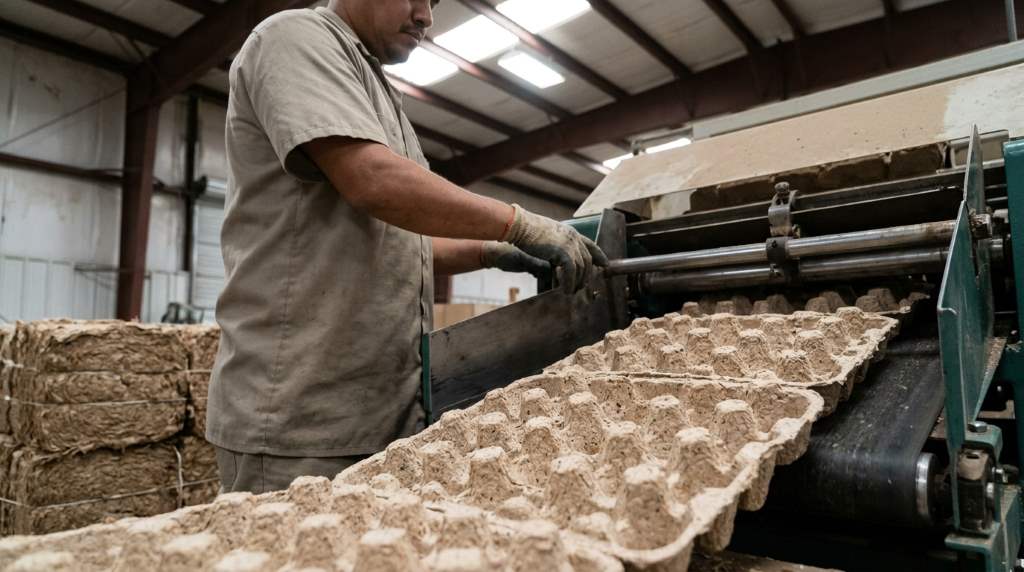

Food packaging creates a major environmental challenge across the United States. Recent industry reports show packaging accounts for a large share of municipal waste streams. As sustainability goals grow, Texas food companies continue seeking smarter solutions. Many brands now invest in eco friendly bottle packaging solutions to reduce waste. Furthermore, consumer demand for sustainable packaging keeps increasing each year. Therefore, brands that improve packaging practices often gain stronger customer trust and market value.
Why Packaging Sustainability Matters for Texas Food Brands
Texas hosts a massive food production and distribution network. Consequently, packaging decisions influence environmental outcomes across millions of products. Companies must balance product protection with sustainability goals. At the same time, consumers increasingly evaluate brands through environmental performance. Therefore, packaging improvements directly support both reputation and long term growth.
The state’s climate creates unique packaging challenges. High temperatures can affect food quality during transportation. As a result, brands need durable materials that still support sustainability goals. Many companies now redesign packaging systems instead of changing only materials. This broader approach often delivers stronger environmental results.
Businesses also face growing pressure from retailers and distributors. Many supply chain partners now prioritize environmental responsibility. Consequently, brands must demonstrate measurable progress through packaging improvements. Some organizations even publish sustainability scorecards annually. Therefore, packaging innovation has become a competitive advantage.
Reducing Material Use Without Sacrificing Product Protection
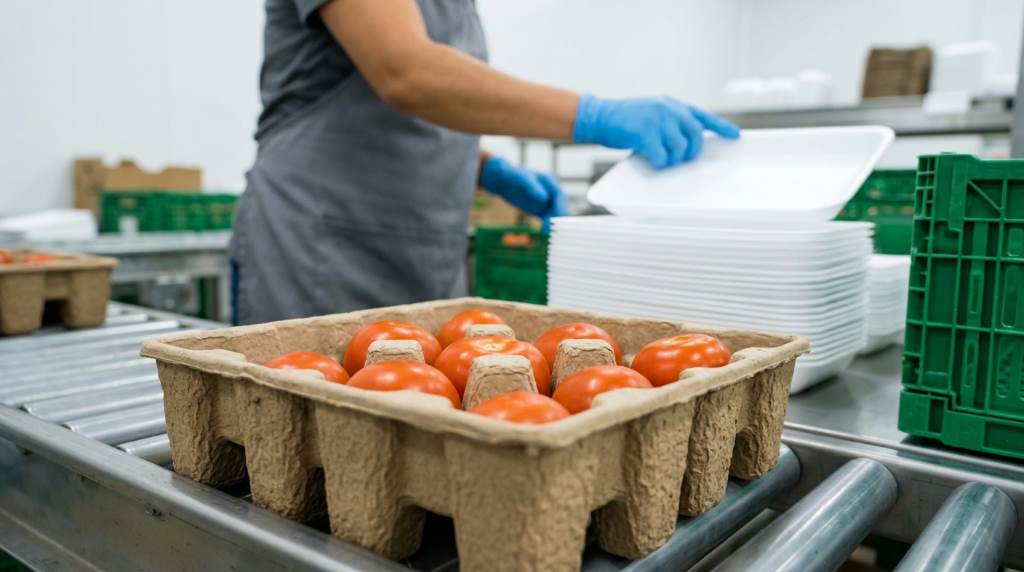
Many food companies begin by reducing packaging weight. This approach lowers material consumption and shipping costs simultaneously. Furthermore, lighter packages require less energy during transportation. Several Texas brands achieved significant waste reductions through package redesigns. Therefore, source reduction remains one of the most effective strategies.
Engineers frequently analyze every packaging component for efficiency. They remove unnecessary layers, inserts, and oversized containers. Moreover, digital modeling helps teams test performance before production. Similar optimization methods appear in industries discussed through commercial roofing contractor spots structural weaknesses before larger issues emerge. Consequently, food companies identify waste before it enters the supply chain.
Some snack manufacturers now use thinner films with improved strength. Others redesign bottle shapes to reduce plastic consumption. Additionally, compact packaging improves truck loading efficiency. This creates fewer transportation emissions per product shipped. Therefore, material reduction generates multiple environmental benefits.
Using Renewable and Recycled Packaging Materials
Renewable materials continue gaining attention across the food industry. Plant based plastics, molded fiber, and paper solutions offer promising alternatives. Furthermore, many suppliers now provide food safe recycled content materials. These options help reduce dependence on virgin resources. Consequently, brands improve sustainability while maintaining product quality.
Recycled packaging materials support circular economy objectives. Instead of creating new raw materials, companies reuse existing resources. Moreover, consumers often respond positively to visible sustainability efforts. Clear labeling helps shoppers understand environmental benefits. Therefore, recycled content can strengthen brand loyalty.
Texas beverage companies increasingly explore bioplastics and renewable containers. These materials often lower environmental impact compared to traditional options. However, brands must evaluate local recycling infrastructure carefully. Some materials perform better in specific waste management systems. As a result, successful implementation requires detailed planning.
Designing Packaging for Texas Climate Conditions
Texas experiences intense heat, strong sunlight, and long transportation routes. Therefore, packaging must protect products under demanding conditions. Sustainable materials require careful testing before large scale adoption. Companies often conduct climate simulations during development. This process helps ensure reliability throughout distribution.
Heat resistant packaging prevents spoilage and reduces product waste. Food waste often creates greater environmental harm than packaging itself. Consequently, brands must balance sustainability with preservation performance. Effective packaging protects products while minimizing environmental impact. Therefore, durability remains an important design factor.
Some companies use reflective coatings and advanced insulation technologies. Others redesign shipping cartons for better airflow. Furthermore, optimized packaging configurations reduce temperature exposure during transit. These improvements help products arrive in better condition. As a result, businesses reduce losses across supply chains.
Smart Packaging Technology and Data Driven Decisions
Technology now plays a major role in packaging sustainability. Advanced analytics help brands identify waste throughout operations. Furthermore, digital tracking systems reveal inefficiencies during transportation and storage. Companies can then implement targeted improvements. Therefore, data driven decisions produce measurable environmental gains.
Many organizations use sensors and predictive tools during product distribution. These systems monitor temperature, humidity, and handling conditions. Likewise, innovations highlighted in technology is changing home buying demonstrate how data improves decision making. Consequently, food brands use similar principles to optimize packaging performance.
Smart packaging can also reduce unnecessary waste. Some labels indicate freshness and storage conditions directly. Additionally, brands gain better visibility into product lifecycles. This information helps prevent premature disposal. Therefore, technology contributes to sustainability beyond material selection.
An Overlooked Strategy: Packaging Transportation Geometry
Many sustainability discussions focus only on packaging materials. However, transportation geometry often receives less attention. This concept examines how packages fit inside shipping containers. Consequently, brands can reduce emissions without changing materials. Few consumer articles discuss this important opportunity.
Texas food companies frequently transport products across large distances. Therefore, efficient space utilization becomes extremely valuable. Packaging engineers calculate dimensions that maximize truck capacity. Moreover, better cube utilization reduces the number of required shipments. This strategy lowers fuel consumption significantly.
Even small dimensional adjustments create meaningful results. A minor reduction in package height can increase pallet efficiency. Furthermore, improved stacking reduces warehouse space requirements. Companies often discover substantial savings through geometry optimization. As a result, environmental benefits extend throughout operations.
Working With Local Suppliers and Regional Supply Chains
Local sourcing supports packaging sustainability goals effectively. Shorter transportation routes reduce fuel consumption and emissions. Furthermore, regional partnerships improve supply chain flexibility. Companies can respond faster to market changes. Therefore, local collaboration creates both environmental and operational advantages.
Many Texas brands now partner with nearby packaging manufacturers. These relationships reduce transportation distances substantially. Additionally, local suppliers often understand regional climate requirements better. This knowledge improves packaging performance and reliability. Consequently, businesses gain stronger sustainability outcomes.
Regional networks also encourage innovation. Suppliers and brands can collaborate more closely on new solutions. Moreover, shorter communication channels accelerate testing and implementation. This helps companies adopt improvements faster. Therefore, local partnerships support continuous environmental progress.
Practical Steps Food Brands Use to Reduce Packaging Impact
- Reduce packaging weight wherever possible.
- Increase recycled content in containers and cartons.
- Use renewable materials when practical.
- Improve package dimensions for transportation efficiency.
- Optimize pallet and warehouse configurations.
- Test packaging under Texas climate conditions.
- Work with regional suppliers and manufacturers.
- Track packaging performance using digital tools.
- Educate consumers about proper disposal methods.
- Measure sustainability metrics regularly.
How Consumer Expectations Influence Packaging Decisions
Consumers increasingly prefer environmentally responsible brands. Therefore, packaging often influences purchasing decisions. Clear sustainability messaging helps customers understand company efforts. Furthermore, transparency builds trust over time. Brands that communicate progress effectively often gain stronger loyalty.
Customers also expect convenience and product protection. Consequently, sustainability initiatives must maintain functionality. Food brands cannot compromise quality or safety. Instead, they must create balanced packaging solutions. This approach supports both customer satisfaction and environmental goals.
Social media further increases packaging visibility. Consumers frequently share opinions about sustainable products online. Moreover, positive packaging experiences encourage recommendations. Companies that innovate successfully often benefit from organic promotion. Therefore, environmental packaging improvements support marketing efforts.
The Future of Sustainable Food Packaging in Texas
The next generation of packaging will combine multiple sustainability strategies. Companies will use smarter materials, better designs, and advanced analytics. Furthermore, regulatory expectations may continue evolving. Brands that adapt early will likely gain advantages. Therefore, proactive innovation remains essential.
Circular economy principles will shape future packaging decisions. More companies will design products for recycling and reuse. Additionally, packaging performance data will become increasingly important. Businesses will rely on measurable outcomes rather than assumptions. Consequently, sustainability efforts will become more precise.
Texas food brands already demonstrate strong innovation capabilities. Many organizations continue investing in sustainable packaging improvements. Furthermore, consumers increasingly support responsible environmental practices. These trends create opportunities for meaningful progress. Therefore, the future of sustainable packaging appears promising.
Conclusion
Food brands across Texas continue finding practical ways to reduce packaging impact. They combine material innovation, smarter design, technology, and supply chain improvements. Furthermore, climate specific strategies help maintain product quality while supporting sustainability goals. Businesses that invest in these efforts strengthen both environmental performance and customer trust. Start evaluating packaging systems today and identify opportunities that create measurable environmental and business benefits.
FAQs
Why do Texas food brands focus on sustainable packaging?
They aim to reduce waste, lower emissions, and meet growing consumer expectations.
What packaging materials help reduce environmental impact?
Recycled content, paper based materials, molded fiber, and certain bioplastics can help.
How does Texas weather affect packaging choices?
High temperatures require durable packaging that protects food quality during transport.
What is packaging transportation geometry?
It involves optimizing package dimensions to improve shipping efficiency and reduce emissions.
Can sustainable packaging lower business costs?
Yes, lighter and more efficient packaging often reduces material and transportation expenses.