
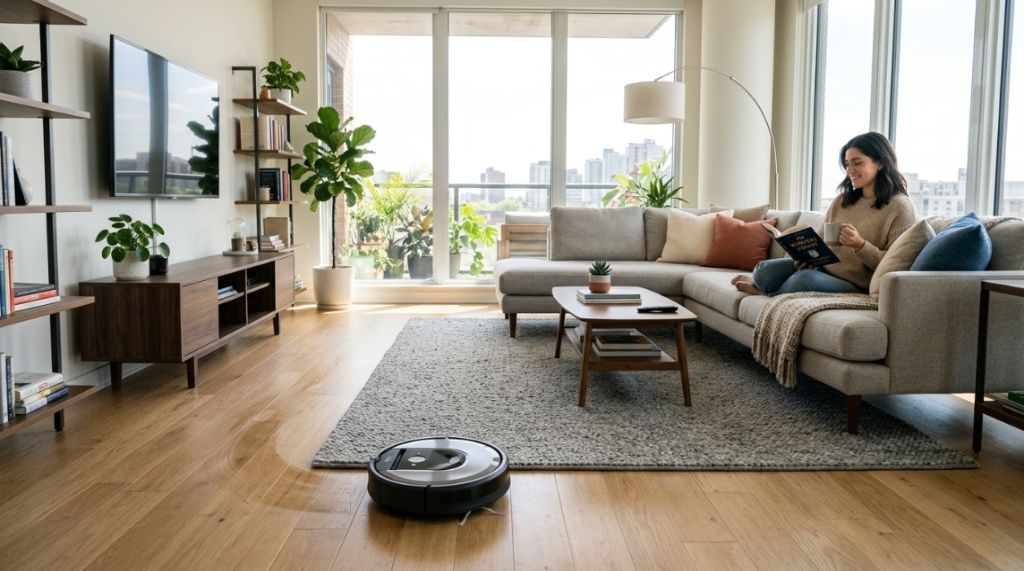

Let’s be honest: life in Washington state moves fast. Between navigating the rain-soaked streets of Seattle, managing the commute from Bellevue, or simply keeping up with the mud tracked in from a hike in the Cascades, the last thing you want to do is spend your weekend scrubbing floors. You are likely juggling a busy schedule, and the thought of sweeping and mopping feels like a monumental waste of time. This is exactly why a 2-in-1 cleaning device is no longer a luxury—it is a necessity. This Washington robot vacuum mop combo guide is designed to help you reclaim your free time by explaining how these smart devices work, what features actually matter, and how to integrate them into your daily routine for a consistently spotless home without lifting a finger.
The problem is clear: traditional cleaning is time-consuming and inefficient. The solution lies in automation. By combining vacuuming and mopping into a single pass, these devices handle the grime, pet hair, and everyday dust while you focus on work, family, or relaxation. In this guide, we will break down the specific benefits, the key features to look for, and the practical steps to maximize your efficiency, all tailored to the unique challenges of Washington households.
Why Do Washington Homes Need a Robot Vacuum and Mop Combo?
Washington’s climate and lifestyle create a specific set of cleaning challenges that single-function vacuums simply cannot address. The frequent drizzle, evergreen forests, and outdoor activities mean your floors are constantly battling a mix of fine dust, dirt, and moisture. A combo device is uniquely suited to handle this dual-threat, ensuring your home is not just swept but also sanitized.
Unlike dry vacuuming, which can stir up fine particles, a robot mop captures and removes them. This is crucial for allergy sufferers, as it improves indoor air quality. Moreover, the convenience factor is unmatched; you are effectively hiring a cleaning crew that works on your schedule, even when you are not home.
The Mud and Moisture Problem in the Pacific Northwest
The Pacific Northwest is beautiful, but it is also wet. Rainwater mixes with soil to create a film of mud that dries into a gritty residue on hard floors. A standard vacuum picks up the dry dirt, but leaves the stain behind. A robot mop with a scrubbing action dissolves this residue safely, preventing the grime from building up and dulling your floors over time.
Allergen Control for Washington Households
With the high humidity, dust mites and pollen can be a constant issue. Mopping is a superior method for removing allergens from hard surfaces compared to dry sweeping, which often just redistributes them into the air. A combo device ensures that allergens are trapped in the dustbin or washed away with the water, creating a healthier living environment for your family.
Time Efficiency: The True Value of Automation
Time is your most non-renewable resource. By automating the chore of sweeping and mopping, you save an estimated 5–7 hours per week. This is time you can redirect towards your career, your hobbies, or relaxing after a long day. The machine does the heavy lifting, allowing you to return to a home that is consistently clean, welcoming, and ready for you to enjoy.
What Key Features Should You Look For in a Combo Robot?
Not all robot mops are created equal. To truly save time, you need a device that is autonomous, smart, and capable of handling specific tasks without your intervention. Focusing on a few critical features will make the difference between a gadget and a genuinely useful appliance.
When evaluating models, you should prioritize navigation technology, self-cleaning capabilities, and customizable cleaning modes. These features determine whether you will be actively managing the robot or simply supervising its work.
Lidar Navigation vs. Camera Navigation: Which is Better?
Lidar navigation uses a laser to map your home in real-time, even in the dark. This is generally faster and more accurate than camera-based systems. For a time-saving device, Lidar is the gold standard as it allows for efficient, row-by-row cleaning coverage, ensuring that no space is missed and reducing the time spent on the job.
Self-Emptying and Self-Cleaning Stations: The Ultimate Time-Saver
If you want to maximize your convenience, look for a model with a self-cleaning dock. This station automatically empties the robot’s dustbin into a larger bag and washes the mop pads with clean water, then dries them. This means you only need to interact with the device every few weeks to replace the bag or refill the water tank, cutting your hands-on time by 95%.
Mop Liftoff vs. Retraction Technology
A major annoyance is the robot dragging a wet mop over your carpets. Modern models feature either a “mop lift” mechanism that raises the pads physically, or a retraction system that pulls them inside the chassis. This allows the robot to vacuum carpets normally without wetting them, and then automatically resume mopping on hard floors, enabling a truly seamless transition between floor types, For those upgrading multiple cleaning tools around the house, check out how to compare upright vs cordless Shark vacuums to find the best fit for your home.
AI Obstacle Avoidance for Cluttered Homes
There is nothing more frustrating than a robot that gets stuck on a charging cable or knocks over a plant. Advanced AI obstacle recognition can identify and avoid common household hazards like cords, shoes, and pet waste. This ensures the robot completes its mission on time without requiring you to “baby-sit” it or rescue it from a tangle.
How Does a Robot Vacuum Mop Actually Work?
Understanding the mechanics of a robot vacuum mop helps you set realistic expectations and use the device effectively. It is not a magic wand, but a sophisticated piece of engineering that relies on a sequence of actions to clean your floors thoroughly.
The process begins with mapping, moves to a sweep and scrub phase, and ends with a collection phase. By understanding this cycle, you can optimize the settings for your specific needs.
Step-by-Step Cleaning Cycle Explained
First, the robot scans your home to create a detailed map. Second, it systematically executes a path, with the main brush sweeping debris toward the suction channel. Third, the side brush captures debris from edges and corners. Finally, if mopping, the oscillating pad scrubs the surface with a specific pressure, and the collection bin picks up the dry debris.
The Role of Suction Power and Brush Design
Suction power, measured in Pascals (Pa), is vital for pulling embedded dirt from crevices. A power of 3000Pa is sufficient for hard floors, while homes with rugs may need 5000Pa or more. The brush design, whether a single roller or dual counter-rotating brushes, also affects how well the robot handles pet hair and prevents tangling.
Water Flow Control and Scrub Pressure
For mopping, the robot uses a water pump to dispense a controlled amount of liquid onto the pad. Advanced models allow you to adjust the flow rate based on the floor type. The scrubbing motion—either sonic vibration or oscillating pads—physically agitates the dirt to lift it off the surface, mimicking a manual scrub.
Which Washington Floor Types Benefit Most from a Combo Robot?
Washington homes feature a mix of floor types, from classic hardwood in older Seattle craftsman homes to modern luxury vinyl plank (LVP) and tile in newer developments. A robot vacuum mop is versatile enough to handle all of these, but it is essential to adjust settings to avoid damage and ensure optimal cleaning.
The key is to identify which surfaces are prevalent in your home and tailor the robot’s settings accordingly. requires a gentle approach, while tile can handle more scrubbing power.
Hardwood Floors: Gentle Cleaning with Auto-Detection
floors are susceptible to water damage and scratching. Look for a robot that offers adjustable suction and a “water-save” mode for the mop. The robot should automatically reduce the water flow when it detects hardwood, ensuring you get a sparkling clean finish without warping the wood or leaving water streaks.
Tile and Stone: High-Scrub Power for Grout Lines
Tile, especially in entryways and bathrooms, accumulates dirt in the grout lines. A combo robot with high scrubbing pressure and a “deep scrub” mode can dislodge this dirt effectively. The continuous fresh water supply ensures that the pad is always cleaning with clean water, preventing the spread of germs between rooms.
Low-Pile Carpets and Rugs: The Transition Test
Many homes have area rugs or low-pile carpets. A robot with good cliff sensors and obstacle detection will climb onto these rugs. The “mop lift” feature is essential here; it will vacuum the rug thoroughly, then lift the mop pad to navigate to the hard floor, preventing the rug from getting a musty, wet smell.
How to Set Up Your Robot for Maximum Time Savings?
Setting up your robot correctly is the difference between a “fire-and-forget” device and a high-maintenance gadget. The initial setup can take 30 minutes, but doing it right will save you hours every week going forward. This involves strategic placement, smart mapping, and scheduling.
The goal is to make the robot’s operation truly autonomous. You should aim to set it up so that you never have to physically touch it except to empty the base station once a month.
Best Practices for Placing the Charging Dock
Place the charging dock in a location with at least 1.5 feet of open space on each side and 4 feet in front. This ensures the robot can find its way home easily. Choose a hard-floor surface for the dock, as this allows the robot to dock with less friction and ensures the suction of the self-empty dock is not blocked.
Creating “No-Go” Zones to Prevent Interference
Utilize the mapping software to set up invisible boundaries. This is crucial in Washington homes where pet bowls, play areas, or large floor plants might be present. By setting “virtual walls” or “no-go zones,” you prevent the robot from getting stuck or causing damage, allowing it to clean uninterrupted without needing your intervention.
How to Effectively Schedule Cleaning Sessions
Scheduling is where the time savings really add up. Set a schedule to run the vacuum while you are at work. For example, program a “Vacuum All” session for 9 AM and a “Vacuum and Mop” session for 11 AM. This allows the floors to dry before you return. The robot does the work while you are gone, so you can simply relax when you get home.
Can a Robot Mop Really Replace a Traditional Vacuum and Mop?
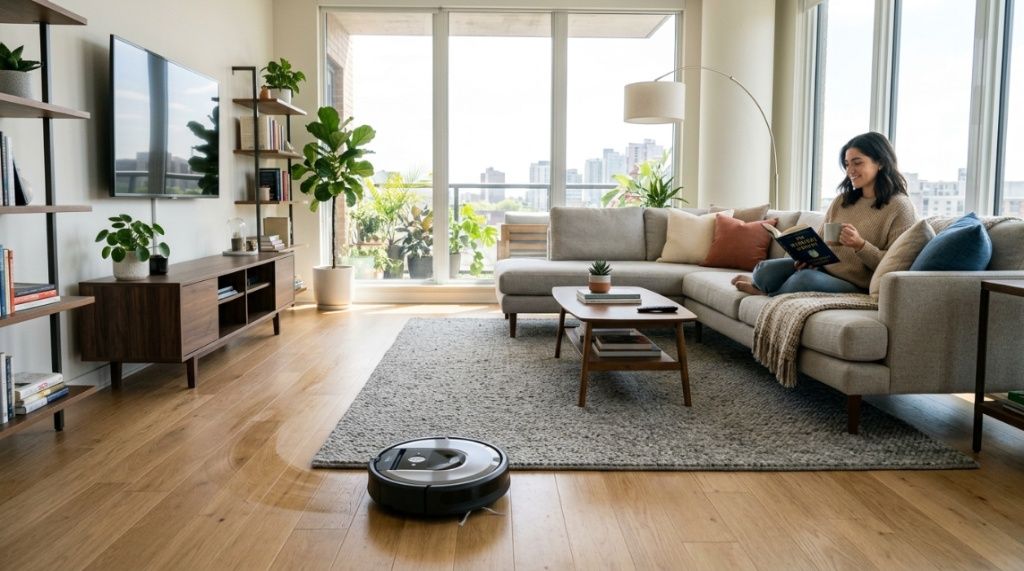
This is a common question, and the answer depends on your expectations. For daily maintenance and keeping your home consistently presentable, yes, a robot vacuum mop is significantly more effective than manual cleaning. However, for deep cleaning or removing stubborn, dried-on grime, you may still need a traditional mop occasionally.
The reality is that a robot excels at consistency. It cleans a little bit every day, preventing the buildup of dirt that requires a heavy-duty scrub on the weekend. This “trickle effect” means your floors are always at a higher baseline of cleanliness.
Limitations of Robot Cleaning vs. Deep Scrubbing
Robots cannot move heavy furniture to clean underneath, nor can they apply the same downward pressure as a human with a sponge mop. For extreme messes like dried mud or sticky spills that have sat for hours, a manual mop is still necessary. However, for the “everyday grime,” the robot is more than adequate.
The Maintenance Routine: What is Required?
Owning a robot is low-maintenance, but not zero-maintenance. You will need to empty the water tank, clean the filter, and occasionally untangle hair from the brushes. Most self-cleaning docks reduce this to a monthly task. This maintenance takes about 10 minutes per month, a fraction of the time you would spend manually cleaning floors weekly.
Washington Robot Vacuum Mop Combo Guide: Top Use Cases
Residents across Washington, from urban apartments to sprawling suburban homes, are finding innovative ways to integrate these devices into their lives. This Washington robot vacuum mop combo guide highlights that the primary use case is reclaiming personal time. Whether you are a pet owner dealing with sheddings or a busy professional wanting a sparkling kitchen, the robot adapts to your routine.
The versatility extends beyond just the home. Many users run the robot in their home office or even in their basement workshops to keep dust levels manageable, proving that this is a flexible tool for any environment. The key is to use the app to tailor the cleaning to the specific room.
Pet Owners: Managing Fur and Paw Prints
For pet owners, the combo robot is a game-changer. It can run twice a day to pick up fur and dander, and the mopping function cleans up the “accidents” and muddy paw prints tracked in from the backyard. The self-cleaning pads ensure that the robot doesn’t just smear dirt around, a common problem with less advanced models.
Professionals and Commuters: The “Set and Forget” Lifestyle
For those working long hours, the “Set and Forget” lifestyle is the ultimate luxury. You can start a cleaning cycle from your office via your smartphone app. You arrive home to a fresh-smelling, clean house without having to sacrifice your evening to cleaning. This is the most direct way the robot saves time for Washington’s busy workforce.
Allergy Suffers: Keeping Airborne Particles Down
By combining HEPA filters with wet mopping, the robot minimizes the amount of dust in the air. Running the robot daily, ideally during the day while you are out, captures allergens before they can settle into furniture. The mopping action permanently removes particles from the floor, preventing them from being kicked back up into the air.
When is the Best Time to Run Your Robot?
Timing is everything when it comes to robot vacuums. The “best” time depends on your household’s activity patterns and the floor type. You want to choose times when you are not home to avoid noise disruption, but also when the house is least likely to be dirtied.
For most, the optimal time is during standard working hours. However, the answer varies if you have babies who nap, pets that roam, or if you live in a noisy apartment.
The Case for Daytime Cleaning
Daytime cleaning is ideal for removing dust and dirt that has accumulated overnight and from the morning rush. It ensures the house is clean for the evening. If you have hardwood floors, running the mop during the day gives the floors ample time to dry before you walk on them in the evening.
Nighttime Cleaning: Pros and Cons for Light Sleepers
While running at night might seem convenient, the noise can be disruptive. Modern robots are relatively quiet, but the thumping of the self-empty station can wake light sleepers. If you choose night cleaning, disable the “auto-empty” feature to avoid the sudden loud noise.
Strategic Scheduling for Homes with Children
If you have small children, the best time is likely during school hours or after bedtime. However, it’s critical to do a quick tidy-up to ensure small toys are off the floor. Alternatively, use the “no-go” zone feature to section off the play area, allowing the robot to clean the rest of the house while the kids are playing in their designated zone.
What Is the Lifespan and Durability of These Devices?
Investing in a robot vacuum mop is a purchase you expect to last. Generally, a high-quality unit should last between 4 to 7 years, depending on usage and maintenance. The battery is the first component to degrade, but replacement batteries are often available.
Durability is heavily influenced by how you treat the machine. A rigorous maintenance schedule is the single biggest factor in extending the life of your robot. This includes cleaning the brushes, emptying the dustbin, and replacing the filter as needed.
Battery Health and Replacement Cycles
Lifepo4 and lithium-ion batteries gradually lose capacity over time. To maximize lifespan, avoid running the robot constantly until the battery is at 0%; try to keep it in the charging dock when not in use. Most batteries will last through 500–1000 charge cycles, which translates to several years of daily use.
Warranty and Support: What to Look For
Look for a warranty that covers at least 1–2 years, as this provides peace of mind against manufacturing defects. Check online communities for feedback on the brand’s customer service response times. A company that offers readily available replacement parts (brushes, pads, filters) is a good sign of longevity and support.
Maximizing Longevity with Simple Maintenance Habits
Habitually dislodging hair from the brush roll will prevent motor strain. Also, use a slightly damp cloth to wipe down the sensors on the bottom of the robot. This ensures accurate navigation and prevents the robot from getting confused, which can lead to inefficient cleaning and unnecessary wear and tear on the motors.
How Much Time Can You Really Save with a Robot Combo?
The average American spends about 2.5 hours per week cleaning floors. By switching to a robot vacuum mop, you can reduce this to nearly zero, representing a saving of over 120 hours per year. That is equivalent to three full work weeks of your life regained.
However, the time saved is more than just the physical labor. It is the cognitive overhead of having “clean the floors” on your to-do list. The psychological relief of knowing the task is handled automatically is a significant, intangible benefit.
Calculating the Weekly Hours Saved
If you manually sweep and mop 3 times a week, spending 50 minutes each time, that is 2.5 hours weekly. With a robot, your only interaction is a 10-minute dock maintenance session every 2 weeks. This instantly saves you 2.4 hours a week, which can be used for exercise, reading, or pursuing a side project.
Return on Investment: Cost vs. Time Value
While a high-end robot might cost $800, calculating your time value (say, $30/hour) shows that the robot pays for itself in roughly 5 months if it saves you 2+ hours weekly. After that, it is generating “free time” for you. It is an investment in your sanity and well-being, not just a cleaning device.
Frequently Asked Questions
Can a robot vacuum mop damage my hardwood floors?
No, provided you use the correct settings. Most modern robots have a “hardwood mode” that reduces water flow and suction. Always ensure the mop pad is properly attached and not completely dry before use, as a dry pad can scratch floors. It is also recommended to use the supplied cleaning solution as it is pH neutral.
Do I need to prepare my house for the robot?
Initially, yes. You need to clear the floor of wires, loose rugs, and small items that can get tangled in the brushes. However, with advanced AI obstacle avoidance, the robot will learn to avoid these hazards on subsequent runs. After a week, you will find you need to tidy up less and less.
Why is the robot leaving streaks on my tile floor?
Streaking is usually caused by a dirty mop pad or using too much water. Check if the self-cleaning dock is actually washing the pads effectively. Sometimes, the water tank has a high mineral content. Switching to distilled water can prevent streak marks from mineral buildup.
How often should I change the mop pads?
If you have a self-cleaning dock, disposable pads can be used many times until they show signs of wear, usually after 2-3 months. If your model uses washable pads, it’s best to replace them every 3-4 weeks to maintain optimal scrubbing pressure and avoid harboring bacteria.
Will the robot mop work on those thick, shaggy rugs?
No, most robot vacuums struggle with shaggy or high-pile carpets. The suction can be blocked, and the mop lift feature is usually not high enough to clear the thick rug fibers. It is best to set a “no-go zone” around these rugs to prevent the robot from getting stuck.
Is it safe to run the robot when I am not home?
Absolutely. The robot is designed to operate unattended. Using the app, you can monitor its status, see its mapping trajectory, and even pause it remotely. The “return to base” feature ensures it charges itself when complete. Just ensure your home is free of hazards like water puddles or pet waste before you leave.
Conclusion
Saving time in Washington is about working smarter, not harder, and a robot vacuum mop is the ultimate tool for this. We have moved past the era of spending your precious weekends hunched over a mop bucket. By leveraging the technology of Lidar mapping, self-cleaning stations, and intelligent scheduling, you can hand off the weekly chore of floor maintenance to a capable assistant. This frees you up to enjoy the beautiful Pacific Northwest—whether that means a weekend hike, a ferry ride, or simply more downtime at home.
We strongly encourage you to consider the specific needs of your household, from the floor types to the time you want to reclaim, and make the investment today. The initial cost is easily outweighed by the hours returned to you. Start by identifying a model that fits your layout and needs, and begin enjoying your new “hands-free” lifestyle. Your future self will thank you for the clean floors and the extra hours of freedom.