
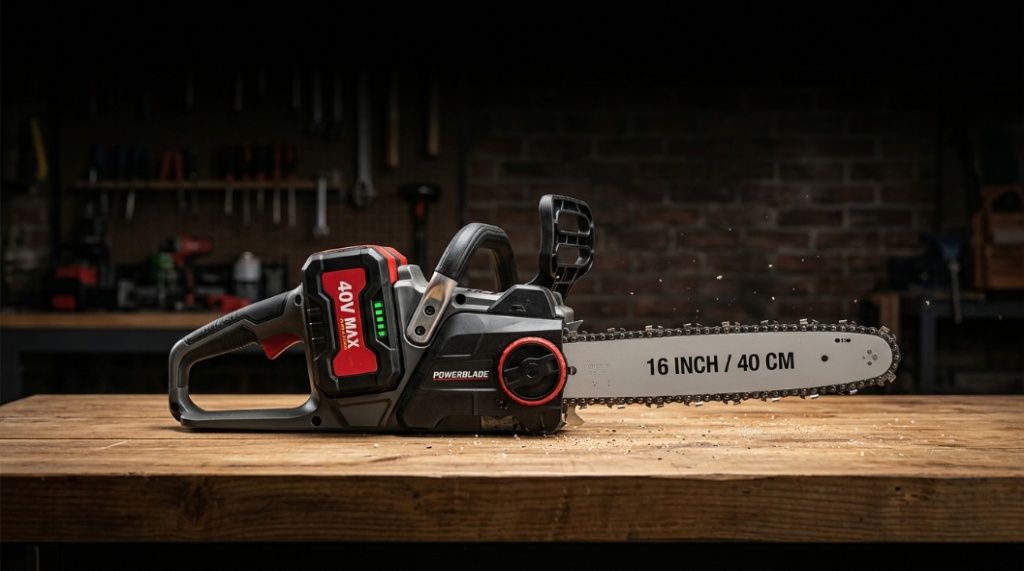

Most people discover they bought the wrong chainsaw not when they cut the first branch, but when the battery dies halfway through a fallen tree after a storm. Choosing the Best Battery Chainsaw for Fast and Safe Cutting comes down to matching battery power, bar length, chain speed, and safety features to your actual cutting needs. The right cordless chainsaw delivers clean cuts, reliable runtime, lower maintenance, and greater safety than many homeowners expect.
Battery-powered chainsaws have transformed outdoor cutting tasks. Modern lithium-ion technology allows cordless models to tackle jobs that once required gas-powered equipment. Yet many buyers still choose based on price alone and end up with a tool that lacks runtime, cutting speed, or safety systems. That often leads to slower work, increased fatigue, and unnecessary risks.
This guide explains exactly how to evaluate a battery chainsaw before buying. You’ll learn how battery voltage affects performance, which safety features matter most, what bar length to choose, and how to compare today’s top cordless chainsaws using practical criteria rather than marketing claims.
What Makes a Battery Chainsaw the Best Choice for Fast and Safe Cutting?
Direct Answer: The best battery chainsaw combines sufficient battery power, efficient chain speed, appropriate bar length, automatic lubrication, chain braking systems, and ergonomic handling for safe and productive cutting.
Unlike older cordless models, today’s battery chainsaws can deliver impressive performance while remaining quieter, cleaner, and easier to maintain than gas alternatives. Fast cutting depends on how efficiently the chain moves through wood, while safety depends on both built-in protective systems and proper operator control.
Understanding battery technology is essential because overall performance starts with energy delivery. Similar principles apply across many battery-powered devices, making proper power management critical for efficiency and longevity. For a broader look at battery charging systems and maintenance practices, see this guide on how battery charging technology supports reliable performance.
When evaluating electric saw reviews, focus on real performance metrics rather than advertising language. Look for:
- Battery voltage and amp-hour rating
- Chain speed measured in meters per second
- Brushless motor technology
- Safety brake response time
- Weight distribution
- Automatic chain oiling system
- Runtime under load
- Tool durability
A quality battery chainsaw should feel balanced in your hands while maintaining enough cutting power to complete tasks efficiently.
How Much Battery Power Do You Actually Need?
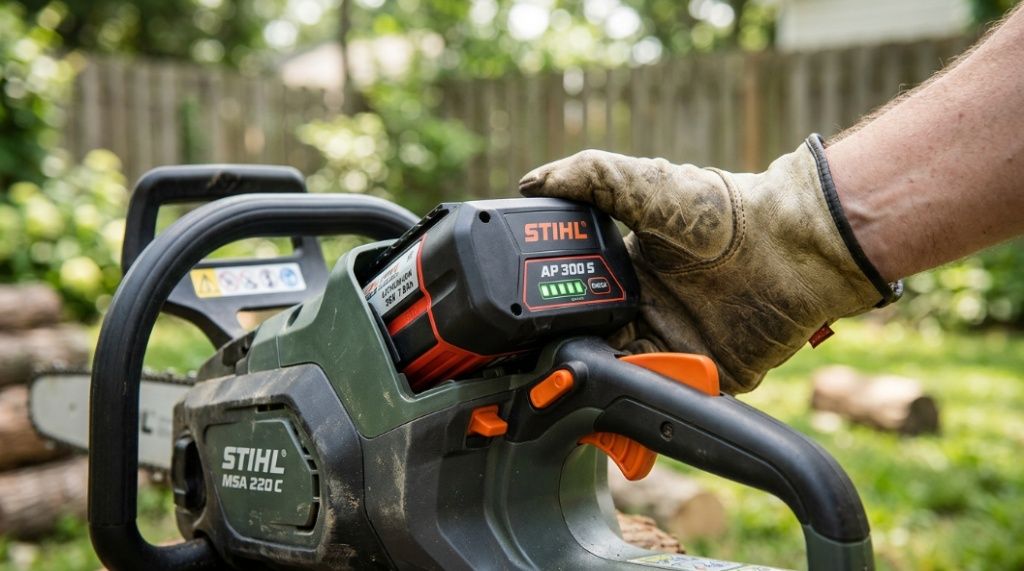
Direct Answer: Most homeowners should choose 40V to 60V systems, while light pruning tasks may only require 20V models and demanding cutting jobs benefit from 60V to 80V platforms.
Battery voltage directly influences available power. Higher voltage systems generally provide greater torque and cutting capability.
| Battery Voltage | Best Use | Typical Performance |
|---|---|---|
| 20V | Light pruning | Small branches and garden maintenance |
| 40V | General homeowner tasks | Firewood and medium tree limbs |
| 60V | Heavy-duty residential work | Larger trees and storm cleanup |
| 80V | Professional applications | Extended cutting sessions |
Voltage alone doesn’t tell the full story. Amp-hours (Ah) determine runtime. A 5Ah battery typically runs significantly longer than a 2Ah battery under similar conditions.
Brushless motors further improve efficiency by reducing friction and energy waste. Many of the top cordless chainsaws now utilize brushless technology because it increases runtime while reducing maintenance requirements.
Does Higher Voltage Always Mean Better Performance?
Direct Answer: Not necessarily. Motor design, battery quality, chain speed, and overall system efficiency are equally important.
A well-engineered 40V chainsaw can outperform a poorly designed 60V model. Always evaluate complete system performance rather than voltage alone.
Which Bar Length Is Best for Different Cutting Jobs?
Direct Answer: Most homeowners benefit from 14-inch to 16-inch bars because they provide versatility without adding unnecessary weight.
Bar length determines the maximum cutting diameter your chainsaw can handle efficiently.
| Bar Length | Recommended Tasks |
|---|---|
| 10–12 inches | Pruning and small branches |
| 14–16 inches | General property maintenance |
| 18–20 inches | Large trees and storm cleanup |
Longer bars are not automatically better. They increase weight and may reduce maneuverability. For most residential users, a 14-inch or 16-inch guide bar offers the ideal balance between cutting capacity and control.
When reading electric saw reviews, pay attention to user feedback regarding balance and handling. A slightly shorter bar often improves safety by making the saw easier to control.
Can a Small Bar Handle Large Logs?
Direct Answer: Yes. You can cut larger logs by making multiple passes from different angles, although it requires additional time.
This technique allows homeowners to handle occasional large cuts without purchasing an oversized chainsaw.
What Safety Features Should You Never Compromise On?
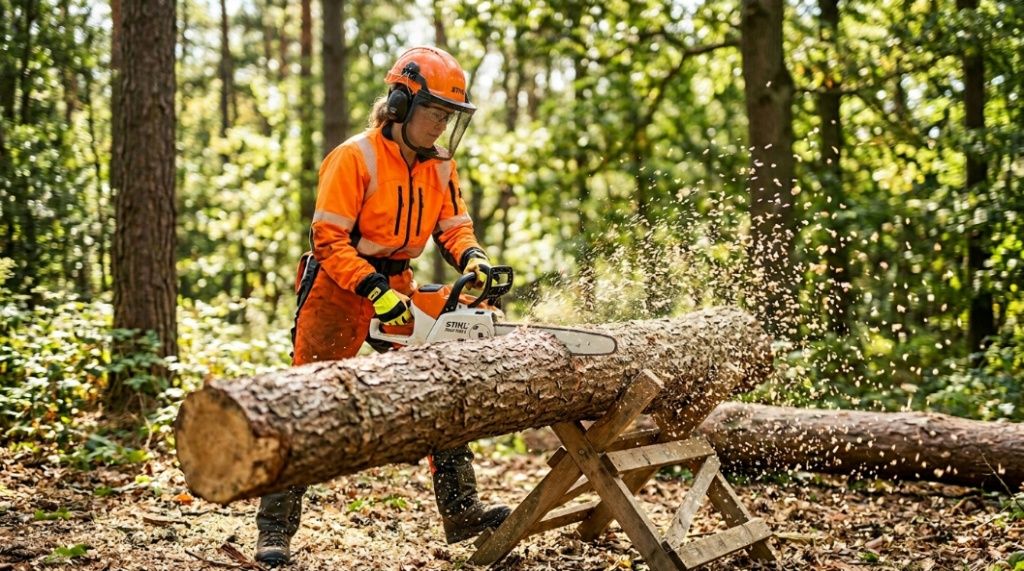
Direct Answer: Always prioritize chain brakes, hand guards, chain catchers, low-kickback chains, trigger locks, and automatic shutdown protection.
Chainsaw injuries most commonly occur due to kickback, loss of control, or accidental activation. Modern cordless models significantly reduce these risks through advanced safety systems.
Battery-powered equipment safety is increasingly important because power density continues to increase across consumer electronics. Understanding battery-related risks helps users make safer equipment choices. This overview of battery failure causes and prevention measures provides useful context regarding safe battery usage and maintenance.
Essential safety features include:
- Chain Brake: Stops chain movement during kickback events.
- Hand Guard: Protects hands from debris and chain contact.
- Chain Catcher: Captures broken chains before injury occurs.
- Trigger Lockout: Prevents accidental activation.
- Low-Kickback Chain: Reduces dangerous upward motion.
- Electronic Overload Protection: Protects motor and battery.
Many premium cordless chainsaws stop the chain within fractions of a second after brake activation, dramatically improving user safety.
What Is Chainsaw Kickback?
Direct Answer: Kickback occurs when the upper tip of the guide bar contacts an object, causing the saw to rapidly move upward toward the operator.
Proper technique, low-kickback chains, and functional chain brakes significantly reduce this risk.
How Important Is Chain Speed for Faster Cutting?
Direct Answer: Chain speed is one of the strongest indicators of cutting efficiency because faster-moving chains remove wood more quickly.
Measured in meters per second (m/s) or feet per second (fps), chain speed directly impacts productivity.
General guidelines:
- 8–10 m/s: Light-duty performance
- 10–15 m/s: General homeowner use
- 15–20+ m/s: High-performance cutting
Higher chain speeds produce smoother cuts and reduce pressure requirements. Instead of forcing the saw through wood, the chain performs the work efficiently.
Many professional electric saw reviews identify chain speed as one of the best indicators of real-world performance because it directly influences cutting time.
Can Extremely High Chain Speed Reduce Safety?
Direct Answer: Not when paired with effective safety systems and proper operator technique.
Modern chain brakes and electronic controls help maintain safety even at higher operating speeds.
Why Do Brushless Motors Matter in Top Cordless Chainsaws?
Direct Answer: Brushless motors improve efficiency, increase runtime, reduce maintenance, and deliver stronger torque under load.
Traditional brushed motors contain physical brushes that create friction and wear over time. Brushless systems eliminate this limitation.
Benefits include:
- Longer battery life
- Greater power efficiency
- Reduced heat generation
- Lower maintenance costs
- Extended motor lifespan
- Consistent cutting performance
Nearly every premium battery chainsaw released in recent years uses brushless technology because it maximizes the advantages of lithium-ion power systems.
Is a Brushless Chainsaw Worth the Extra Cost?
Direct Answer: Yes. The efficiency gains, durability improvements, and reduced maintenance generally justify the higher purchase price.
For users who cut regularly, the long-term value is often substantial.
How Can You Compare Today’s Top Cordless Chainsaws Effectively?
Direct Answer: Compare chainsaws using power, runtime, chain speed, safety systems, weight, ergonomics, and ecosystem compatibility rather than brand reputation alone.
Many buyers focus exclusively on brand names, but objective performance criteria produce better purchasing decisions.
| Evaluation Factor | Why It Matters |
|---|---|
| Battery Platform | Compatibility with other tools |
| Runtime | Fewer interruptions |
| Chain Speed | Faster cutting |
| Weight | Reduced fatigue |
| Safety Features | Injury prevention |
| Bar Length | Cutting capacity |
| Motor Type | Efficiency and durability |
Many homeowners researching options eventually compare multiple models before purchasing. Resources such as this guide covering affordable battery-powered chainsaw options for homeowners can help narrow choices based on budget and intended use.
Popular manufacturers frequently appearing in top cordless chainsaws rankings include:
- Greenworks
- DeWalt
- Milwaukee
- Makita
- EGO Power+
- Ryobi
- Husqvarna
Each offers different strengths depending on battery platform and intended workload.
How Do You Maintain a Battery Chainsaw for Maximum Performance?
Direct Answer: Keep the chain sharp, maintain proper tension, clean debris regularly, monitor battery health, and ensure adequate chain lubrication.
Maintenance directly affects both safety and cutting speed.
Key maintenance practices include:
- Check chain tension before each use
- Sharpen chain cutters regularly
- Inspect guide bar wear
- Clean air vents and housing
- Store batteries in moderate temperatures
- Use manufacturer-approved chargers
- Maintain chain oil levels
A dull chain requires significantly more force and increases operator fatigue. Sharp chains cut faster, cleaner, and more safely.
How Often Should You Sharpen a Chainsaw Chain?
Direct Answer: Sharpen whenever cutting performance noticeably decreases or after contact with dirt, rocks, or metal.
Frequent light sharpening is preferable to waiting until the chain becomes severely dull.
What Common Buying Mistakes Should You Avoid?
Direct Answer: Avoid choosing solely by price, overlooking battery ecosystem compatibility, ignoring safety features, and selecting excessive bar length.
Common mistakes include:
- Buying the cheapest available model
- Ignoring battery replacement costs
- Choosing oversized bars unnecessarily
- Overlooking chain speed specifications
- Skipping safety feature evaluation
- Ignoring overall weight
- Purchasing incompatible battery platforms
A slightly higher upfront investment often delivers substantially better long-term value through improved performance, durability, and safety.
Conclusion: How Do You Choose the Right Battery Chainsaw With Confidence?
Direct Answer: Select a chainsaw that matches your cutting needs, offers strong battery performance, includes essential safety features, and provides efficient chain speed with manageable weight.
The best battery chainsaw is not necessarily the most expensive model. It is the one that balances power, runtime, ergonomics, safety, and reliability for your specific projects. Whether you’re trimming branches, preparing firewood, or handling storm cleanup, evaluating voltage, bar length, chain speed, brushless motor technology, and safety systems will help you make a smart investment.
Before making your final decision, continue researching equipment maintenance and battery care practices to maximize tool longevity. Resources discussing battery charging efficiency and long-term power management can provide useful insights for maintaining cordless equipment performance.
Compare specifications carefully, read independent electric saw reviews, and prioritize safety over marketing claims. A well-chosen cordless chainsaw can deliver years of fast, efficient, and safe cutting performance.
FAQ: Best Battery Chainsaw for Fast and Safe Cutting
Are battery chainsaws powerful enough to replace gas chainsaws?
Yes. Modern high-voltage cordless chainsaws can handle many residential and even professional cutting tasks while producing less noise, fewer emissions, and lower maintenance requirements.
What battery size provides the longest runtime?
Higher amp-hour batteries provide longer runtime. For example, a 5Ah battery typically lasts considerably longer than a 2Ah battery under similar working conditions.
What is the safest chainsaw bar length for homeowners?
Fourteen to sixteen inches is generally ideal. This range offers excellent cutting capability while remaining easy to control and maneuver.
How long do lithium-ion chainsaw batteries typically last?
Most quality batteries last several years. Proper charging, storage, and temperature management significantly extend battery lifespan.
Do battery chainsaws require chain oil?
Yes. Most cordless chainsaws still require bar and chain oil to reduce friction, improve cutting performance, and minimize component wear.
Which is more important: chain speed or voltage?
Both matter. Voltage influences available power, while chain speed affects cutting efficiency. The best results come from a balanced combination of both factors.
Are brushless chainsaws better than brushed models?
Generally yes. Brushless motors offer greater efficiency, longer runtime, reduced maintenance, and improved durability compared with traditional brushed motors.