

Truck Financing: Navigating Higher Prices, Loan Terms, and Hidden Risks

Understanding the intricacies of car financing has never been more important for buyers, especially those looking to purchase a truck. With today’s volatile vehicle market, knowing how loan terms shape the overall cost and affordability of your purchase could make all the difference in your monthly budget and long-term financial health. For those just starting to research pickup truck financing, the landscape in 2025 looks very different from just a few years ago.
Truck prices continue to escalate, pushing buyers to explore creative financing options. Extended loan terms may seem appealing, but can actually mask much higher overall costs. Whether you’re eyeing a brand-new full-size pickup or a reliable pre-owned model, it’s essential to pay close attention to how interest rates and credit scores influence your total outlay over time.
Rising Truck Prices and Affordability
In recent years, new vehicle prices have climbed by 33%. The average transaction price for a new vehicle now exceeds $50,000, often leaving the typical pickup out of reach for many buyers without specialized financing. This price surge has driven consumers to seek longer loan terms to lower their immediate monthly payments. Still, this approach carries its own set of challenges and implications for total ownership costs. Read more about trends in the auto market at Motor1.
As affordability declines, some buyers are forced to stretch their budgets to the breaking point. Higher prices not only squeeze working-class families but also encourage riskier financial decisions, such as smaller down payments and lengthier loan agreements, that can create significant debt loads over time.
For those with less-than-perfect credit, the combination of high vehicle costs and stricter lending criteria adds another hurdle. In the face of these obstacles, it’s more important than ever for shoppers to be informed and cautious about every aspect of the transaction, from vehicle selection to loan structure.
Beyond just the price at the dealership, it’s critical to factor in taxes, registration, and insurance, all additional costs that will hit your bottom line. These considerations highlight the need for a comprehensive financial plan before setting foot on the lot.
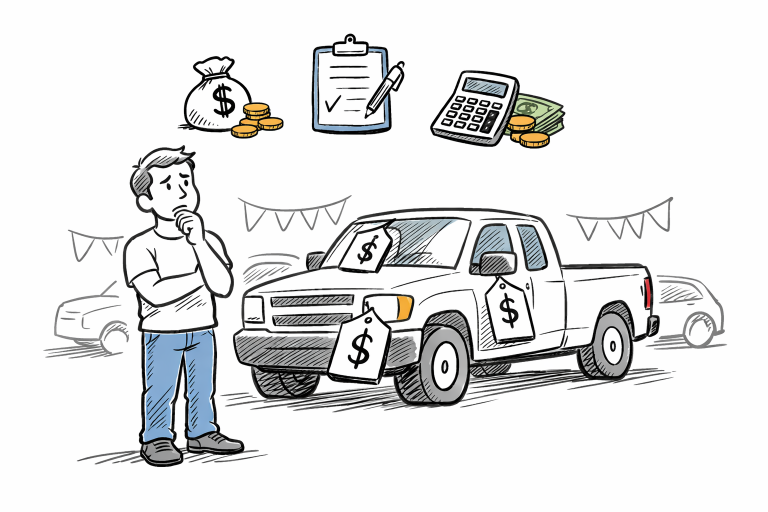
Extended Loan Terms: A Double-Edged Sword
To help counter rising costs, extended loan terms have become the new normal. Loans spanning 84 months (or more) now account for nearly 13% of new-vehicle sales. On the surface, a longer repayment period translates to affordable monthly installments, but the reality is more complex. As the loan extends, so does the total amount of interest paid, often leaving buyers paying thousands more over the life of the loan for the same vehicle.
Dealers and lenders often frame these longer loans as a win-win for affordability, yet the true winner is often the bank collecting years of additional interest. Borrowers may not realize just how small their payments toward the principal are in the early years of the agreement, fueling a phenomenon known as negative equity.
Interest Rates and Credit Scores: Key Determinants
Your credit score is one of the most important factors in determining the interest rate you qualify for. The average APR for new-vehicle loans ranges from 7.0% to 7.5%, while used-vehicle loans can reach 12.5% for buyers with below-average credit scores. Even a small variation in your interest rate can represent a difference of thousands of dollars over the term of a loan.
Shoppers with higher credit scores often qualify for lower APRs, so it’s essential to check your credit report and correct any errors before applying for financing. Comparison shopping for the best rates should also extend beyond the dealership. Banks, credit unions, and online lenders may offer better terms, particularly for those with solid credit profiles. Read more at Pro Auto Talk about optimizing auto loan terms and rates.
The Negative Equity Cycle: A Hidden Pitfall
Negative equity, or being “upside-down” on your loan, means you owe more on your truck than it’s currently worth. Extended loan terms and rising vehicle prices have made this situation increasingly common. In fact, nearly one-third (31.2%) of used-vehicle trade-ins carry negative equity, up nearly five percentage points from just one year prior.
Negative equity can create a cycle of debt, particularly if you need to sell your truck early or trade it in for a new one before the loan is paid off. You may be forced to roll the remaining balance into a new loan, perpetuating the cycle of owing more than your vehicle’s worth and continually increasing your future monthly payments. Being aware of how easy it is to end up in this situation is vital for anyone considering long-term financing to offset a hefty price tag.
Practical Considerations for Truck Buyers
- Set a realistic budget and stick to it. Factor in all ownership costs, not just loan payments.
- Calculate total interest expenditures over the loan term, not just the monthly payment.
- Consider shorter loan terms even if the payments are slightly higher, as they reduce the risk of negative equity and save on interest.
- Shop around with various lenders to find the lowest possible rates, as even a 1% difference in APR can result in significant savings.
- Plan for a substantial down payment. This reduces your loan amount, monthly payment, and risk of negative equity.
- Check your credit score well in advance of purchase and correct any errors to maximize your chances of qualifying for the best rates and terms.
Conclusion
Higher vehicle prices, longer loan terms, and the rising risk of negative equity are shaping truck financing. By understanding these challenges and how your credit score and loan term affect your overall costs, you can make more informed decisions and avoid common pitfalls. Smart financing strategies will help align your truck purchase with your long-term financial goals, ensuring you get the best value for one of your largest investments.