Why Dallas, TX Manufacturing Plants Are Updating Risk Control Processes

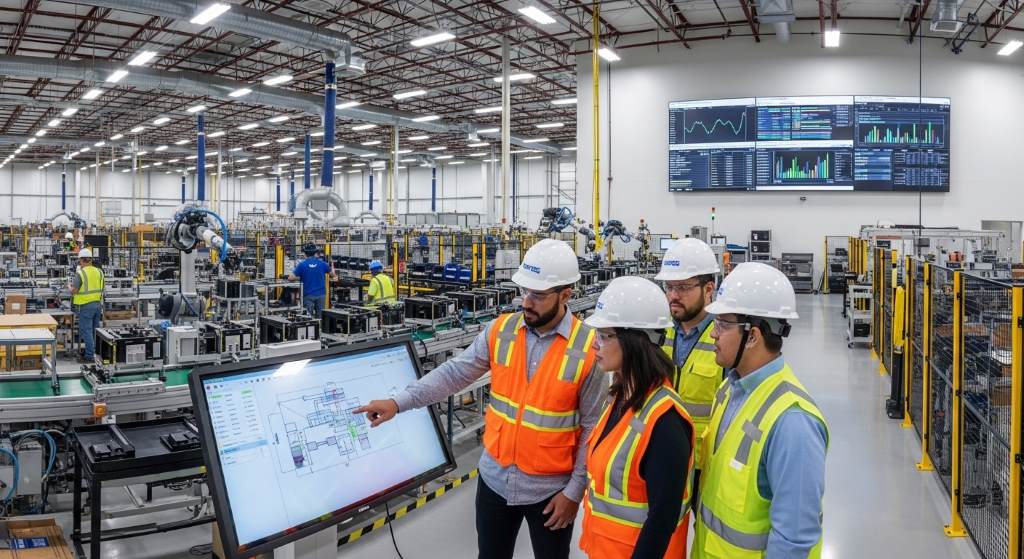
Manufacturing companies across Dallas are facing new operational pressures every year. According to the U.S. Bureau of Labor Statistics, workplace injuries in manufacturing still affect thousands of workers annually. At the same time, Texas continues to rank among the top states for industrial growth and warehouse expansion. Because of these changes, many facilities now prioritize safer and smarter systems. Companies are also investing in industrial risk assessment for engineers to reduce downtime and improve workforce safety.
Dallas manufacturing plants operate in a fast-moving environment with rising labor demands and tighter compliance standards. Local companies handle everything from aerospace parts to food packaging and automotive equipment. As production scales up, outdated safety systems can create costly disruptions. Therefore, businesses are redesigning risk control processes to protect workers, equipment, and supply chains. Modern risk management now plays a direct role in productivity and profitability.
Growing Industrial Expansion in Dallas
Dallas has become one of the strongest industrial hubs in Texas during the past decade. Many companies continue moving production facilities into the region because of transportation access and lower operational costs. However, rapid expansion often increases safety risks inside busy manufacturing plants. As a result, leaders now focus on preventive systems instead of reacting after incidents occur.
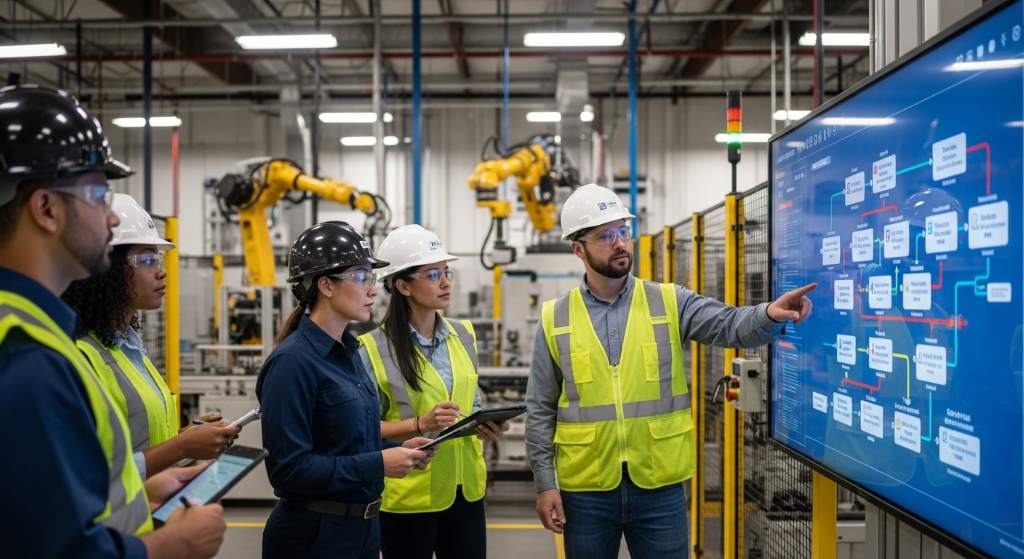
Several facilities have also upgraded maintenance operations to avoid machine-related accidents. Many plant managers study how industrial washer and industrial steam generator systems improve workflow efficiency in high-demand environments. These examples help manufacturers understand how modern automation can reduce workplace hazards. Additionally, cleaner equipment operation lowers fire risks and mechanical failures. This practical shift supports safer production across multiple industries.
Industrial growth in Dallas also increases pressure on warehouse logistics and shipping departments. Forklift movement, material storage, and packaging activities create daily exposure to operational hazards. Therefore, companies now use updated floor mapping and traffic control systems inside facilities. Better organization helps reduce collisions and worker injuries. It also improves response time during emergencies.
Extreme Texas Weather Creates New Safety Challenges
Dallas weather patterns have become more unpredictable during recent years. Summer temperatures often exceed 100 degrees Fahrenheit, while sudden storms can interrupt production schedules. Heat stress now affects many factory workers who spend long hours near heavy equipment. Consequently, manufacturers are updating cooling systems and hydration policies inside plants. These adjustments help maintain worker performance and safety.
Power outages caused by storms also create operational risks for automated facilities. A sudden shutdown can damage machinery and disrupt temperature-sensitive materials. Because of this, many plants now install backup energy systems and smart monitoring tools. These systems protect production lines during severe weather conditions. They also reduce costly downtime for manufacturers.
Flooding remains another important concern for Dallas industrial areas near low-lying roads. Water intrusion can damage electrical systems and create slip hazards inside production facilities. Therefore, some manufacturers have started redesigning drainage systems and raising critical equipment platforms. Preventive construction measures help facilities recover faster after storms. In addition, they protect inventory from water damage.
Technology Is Changing Risk Control Strategies
Manufacturing technology has evolved quickly during the last few years. Dallas plants now rely heavily on automation, robotics, and digital production systems. While these tools improve output, they also introduce new operational risks. Consequently, companies must train workers on both physical and cyber-related safety issues. Modern risk management now combines engineering knowledge with digital awareness.
Many manufacturers also study the future impact of automated machinery before upgrading facilities. Industry leaders often review innovations related to future of CNC cutting technologies to understand evolving machine safety standards. These advanced systems improve precision and reduce manual labor exposure. However, they require stronger monitoring and maintenance procedures. Proper operator training remains essential for long-term safety.
Cybersecurity has also become part of industrial risk control in Dallas plants. Smart machines connected to digital networks can become vulnerable to operational disruptions. Therefore, manufacturers now protect production systems through network monitoring and access controls. Cyber incidents can halt production just as quickly as equipment failures. Companies that prepare early reduce long-term operational losses.
Labor Shortages Are Affecting Workplace Safety
Manufacturing plants across Dallas continue facing skilled labor shortages. Many experienced workers have retired, while younger employees often require additional technical training. As staffing gaps grow, overworked teams may overlook important safety procedures. Because of this, manufacturers now invest more in workforce education and simplified workflows. Better training reduces human error and improves operational consistency.
Some facilities now use visual learning systems and multilingual safety instructions to support diverse workforces. Clear communication helps employees respond faster during emergencies or equipment malfunctions. Additionally, supervisors conduct shorter but more frequent safety briefings during shifts. These updates improve awareness without slowing down production. Workers also feel more confident when procedures remain easy to follow.
Dallas manufacturers increasingly recognize that employee fatigue directly affects plant safety. Long overtime shifts often reduce focus and increase accident risks around heavy machinery. Therefore, many companies now redesign schedules to improve rest periods and workflow balance. Healthy workers usually make better operational decisions. This approach supports both productivity and employee retention.
Insurance Costs Are Driving Process Improvements
Insurance expenses for manufacturing facilities have increased steadily across Texas. Providers now examine safety records, emergency planning, and operational controls before offering competitive coverage. Plants with outdated systems often pay significantly higher premiums. Consequently, manufacturers are upgrading safety programs to reduce insurance-related expenses. Better risk management helps companies maintain financial stability.
Modern coatings and equipment protection systems also support long-term operational safety. Many Dallas plants research advantages of thermal spraying methods to extend equipment life and reduce corrosion-related failures. These improvements lower maintenance costs and minimize operational interruptions. They also help facilities maintain consistent product quality. Preventive maintenance now serves as a major part of industrial risk control.
Insurance providers increasingly reward facilities that document preventive actions clearly. Detailed reporting systems help companies track maintenance schedules, employee training, and safety inspections. As a result, manufacturers can identify recurring problems before they become severe incidents. Accurate records also improve communication during audits and compliance reviews. This organized approach strengthens operational accountability.
The Hidden Risk of Supply Chain Interruptions
Many Dallas manufacturing plants depend on global suppliers for raw materials and specialized components. Delays in transportation or inventory shortages can stop production unexpectedly. These interruptions often create pressure to accelerate workflows once materials arrive. Unfortunately, rushed operations may increase workplace accidents and equipment strain. Therefore, manufacturers now include supply chain planning within risk control strategies.
Some companies maintain backup suppliers to avoid sudden production stoppages. Others increase local sourcing to reduce transportation delays during severe weather or economic disruptions. Flexible planning helps manufacturers maintain safer production schedules throughout the year. It also reduces stress on employees during peak demand periods. Reliable inventory management now supports workplace safety directly.
Dallas facilities also use predictive analytics to monitor supplier performance and shipping timelines. Digital tracking tools allow managers to identify delays before operations become affected. Early planning helps companies avoid emergency scheduling changes that increase workplace pressure. Better forecasting also improves customer satisfaction and operational stability. Technology now plays a central role in supply chain safety planning.
Environmental Regulations Continue Expanding
Environmental compliance standards have become stricter for manufacturing operations across Texas. Dallas facilities must manage waste disposal, emissions, and hazardous materials more carefully than before. Failure to meet these standards can result in major financial penalties. Therefore, companies are integrating environmental controls into broader safety strategies. Responsible operations now support both compliance and public trust.
Air quality management has become especially important for plants using chemicals or high-temperature equipment. Improved ventilation systems help reduce worker exposure to harmful particles and fumes. Additionally, cleaner air systems support healthier working conditions during long production shifts. Manufacturers also benefit from lower contamination risks inside facilities. Environmental protection now connects closely with employee safety goals.
Water conservation has also influenced industrial planning in Dallas. Many facilities now recycle water used during manufacturing processes to reduce waste and operating costs. Efficient resource management helps companies prepare for future environmental regulations. It also demonstrates long-term sustainability commitments to clients and investors. Responsible manufacturing practices continue shaping risk management decisions.
Why Predictive Maintenance Is Becoming Essential
Traditional maintenance models often relied on fixing equipment only after breakdowns occurred. However, modern Dallas manufacturers increasingly use predictive maintenance systems instead. Sensors and monitoring tools can identify mechanical issues before failures happen. This approach reduces emergency repairs and production interruptions significantly. It also creates a safer environment for workers operating heavy machinery.
Predictive maintenance helps companies monitor vibration levels, temperature changes, and energy usage in real time. Small irregularities often reveal larger mechanical problems developing inside machines. Therefore, maintenance teams can address issues before accidents occur. Preventive action reduces costly downtime and equipment replacement expenses. Manufacturers also improve long-term operational reliability.
Several Dallas facilities now combine predictive maintenance with employee reporting systems. Workers can quickly document unusual sounds, smells, or performance changes using digital tools. Faster communication helps maintenance teams respond before conditions become dangerous. This collaboration strengthens overall workplace awareness. It also builds stronger trust between management and employees.
Building a Long-Term Safety Culture
Successful manufacturing companies understand that safety culture requires constant attention. Risk control processes work best when employees participate actively in daily operations. Therefore, Dallas manufacturers increasingly encourage workers to report concerns without fear of punishment. Open communication helps companies identify hidden operational risks early. Strong teamwork improves both safety and efficiency.
Leadership involvement also plays a major role in workplace safety improvements. Supervisors who participate in inspections and training sessions create stronger accountability across departments. Employees usually follow safety procedures more consistently when leadership remains visible and engaged. Consistent communication also reduces confusion during operational changes. This proactive culture supports long-term business growth.
Many Dallas facilities now reward employees for identifying safety improvements and reporting near-miss incidents. Positive reinforcement encourages workers to stay alert throughout each shift. In addition, recognition programs improve morale and teamwork inside demanding industrial environments. Safer workplaces often experience lower turnover and higher productivity. Risk control becomes more effective when everyone participates.
Conclusion
Dallas manufacturing plants continue updating risk control processes because modern industrial operations face growing pressure from weather, technology, labor shortages, and compliance demands. Companies now understand that proactive safety planning protects both employees and long-term profitability. Many facilities also explore advanced surface protection methods like six advantages of thermal spraying to improve operational durability and reduce maintenance risks. Businesses that invest in smarter safety systems position themselves for stronger growth in the future. Manufacturers should review their current risk strategies today and begin implementing practical improvements before costly disruptions occur.
FAQs
Why are Dallas manufacturing plants updating safety systems?
Manufacturers are improving safety systems to reduce accidents, lower costs, and meet stricter operational standards.
How does Texas weather affect manufacturing risks?
Extreme heat, storms, and flooding can damage equipment, disrupt operations, and increase workplace hazards.
What role does automation play in risk control?
Automation improves efficiency but also requires stronger maintenance, training, and cybersecurity protection.
Why is predictive maintenance important for factories?
Predictive maintenance helps companies identify equipment issues early and prevent unexpected breakdowns.
How can manufacturers improve workplace safety culture?
Companies can improve safety culture through regular training, open communication, and employee involvement.