
Plumbing issues are a frequent concern for homeowners in Phoenix, where extreme heat and hard water conditions create unique challenges. According to regional housing data, over 70% of homes in Arizona deal with hard water problems, while nearly 40% experience pipe-related issues within the first decade. These conditions make it essential to understand preventive care and timely fixes, including learning how to fix air in water lines. In this article, you will explore the most common plumbing issues in Phoenix homes and practical ways to handle them effectively.
Hard Water Damage and Mineral Buildup
Phoenix has some of the hardest water in the United States, and this directly impacts plumbing systems. Hard water contains high levels of calcium and magnesium, which gradually accumulate inside pipes and fixtures. Over time, this buildup reduces water flow and increases pressure within the system. As a result, homeowners often notice reduced efficiency in appliances like dishwashers and water heaters. Additionally, faucets and showerheads may show white, chalky residue that becomes difficult to clean. Therefore, understanding how hard water affects plumbing is the first step toward preventing long-term damage.
To manage mineral buildup effectively, homeowners can adopt several practical solutions. Installing a water softener is one of the most effective ways to reduce mineral content in water. Regular cleaning of faucets and showerheads with vinegar can also help dissolve minor deposits. Moreover, scheduling routine plumbing inspections ensures early detection of scale buildup in pipes. If left untreated, these deposits can lead to costly pipe replacements or severe blockages. Consequently, preventive maintenance saves both time and money in the long run.
Pipe Leaks and Corrosion
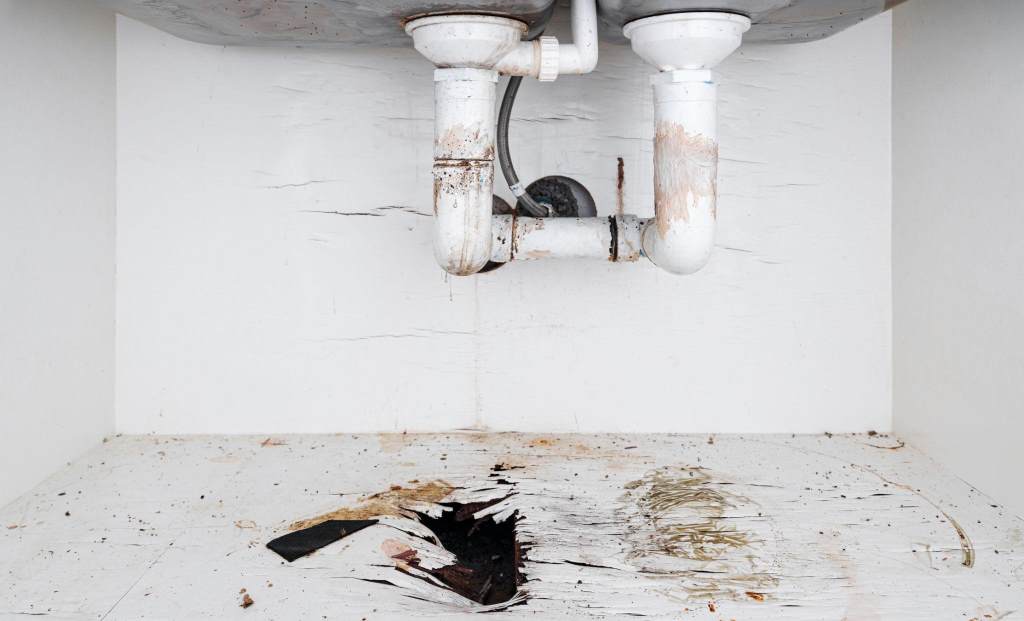
Pipe leaks are another common issue faced by Phoenix residents, often caused by corrosion and aging materials. High mineral content in water accelerates corrosion, especially in older metal pipes. As corrosion progresses, pipes weaken and develop small cracks or pinhole leaks. These leaks may seem minor at first but can cause significant water damage over time. Furthermore, hidden leaks inside walls can lead to mold growth and structural issues. Therefore, early detection plays a crucial role in preventing costly repairs.
Homeowners should watch for warning signs such as unexplained water bills or damp spots on walls and ceilings. Regular inspections by a licensed plumber can help identify vulnerable areas in the plumbing system. In addition, replacing old pipes with modern materials like PEX can improve durability and reduce corrosion risks. Using water softeners also slows down the corrosion process caused by minerals. Ultimately, proactive upgrades and maintenance ensure a longer lifespan for your plumbing system.
Water Heater Problems in Extreme Heat
Phoenix’s extreme summer temperatures place additional stress on water heaters, leading to frequent malfunctions. While water heaters are designed to handle heat, external temperatures can push them beyond optimal performance levels. As a result, homeowners often experience inconsistent water temperatures or reduced heating efficiency. Sediment buildup from hard water further worsens the issue by insulating heating elements. Consequently, water heaters consume more energy and deliver poorer performance.
To maintain efficiency, homeowners should flush their water heaters at least once a year to remove sediment. Installing a water softener also reduces mineral accumulation inside the tank. Additionally, setting the thermostat to an appropriate level prevents overheating and extends the unit’s lifespan. If the system shows signs of failure, timely replacement can prevent unexpected breakdowns. Therefore, regular maintenance is essential for keeping water heaters reliable in Phoenix’s harsh climate.
Low Water Pressure Issues
Low water pressure is a frustrating problem that many Phoenix homeowners encounter regularly. Mineral buildup, leaks, and clogged pipes are common causes of reduced water flow. In some cases, municipal water supply issues can also contribute to pressure fluctuations. However, most problems originate within the home’s plumbing system. Consequently, identifying the root cause is key to restoring normal water pressure.
Several practical steps can help improve water pressure in your home. Cleaning or replacing clogged fixtures often resolves minor issues quickly. Checking for hidden leaks ensures that water is not escaping before reaching faucets. Additionally, installing a pressure regulator can help maintain consistent flow throughout the house. If problems persist, professional inspection becomes necessary to diagnose deeper issues. Therefore, addressing low pressure early prevents further complications.
Clogged Drains and Sewer Line Problems
Clogged drains are one of the most common plumbing complaints in Phoenix homes. Kitchen sinks often become blocked due to grease, food particles, and soap residue. Similarly, bathroom drains collect hair, soap scum, and debris over time. These blockages restrict water flow and can lead to unpleasant odors. In severe cases, clogs can affect the main sewer line, causing backups throughout the home. Therefore, regular cleaning and proper waste disposal are essential for prevention.
Homeowners can take simple steps to reduce the risk of clogged drains. Avoid pouring grease or oil down the sink, as it solidifies inside pipes. Using drain strainers helps catch debris before it enters the plumbing system. Additionally, periodic flushing with hot water and mild cleaning solutions can keep pipes clear. For stubborn clogs, professional drain cleaning services may be necessary. Consequently, consistent maintenance keeps drainage systems functioning smoothly.
Slab Leaks in Desert Homes
Slab leaks are a serious concern for Phoenix homeowners, particularly in properties built on concrete foundations. These leaks occur when pipes beneath the slab develop cracks or corrosion. Due to the desert climate, soil movement and temperature fluctuations can increase stress on underground pipes. As a result, leaks may go unnoticed until significant damage occurs. Signs include warm spots on floors, increased water bills, and reduced water pressure. Therefore, early detection is critical to minimizing damage.
Addressing slab leaks requires specialized equipment and professional expertise. Plumbers often use electronic leak detection tools to locate the exact source. Depending on the severity, repairs may involve rerouting pipes or breaking through the slab. Preventive measures include regular inspections and upgrading old piping systems. Additionally, maintaining stable soil conditions around the home can reduce stress on pipes. Ultimately, timely action prevents costly structural repairs.
Air in Water Lines and Noisy Pipes
Air trapped in water lines can cause loud banging or sputtering noises when using faucets. This issue often results from trapped air pockets within the plumbing system. In Phoenix homes, pressure fluctuations and repairs can introduce air into pipes. While the problem may seem minor, it can lead to inconsistent water flow and system inefficiencies. Therefore, addressing air in water lines improves both comfort and performance.
Fixing this issue usually involves flushing the system to remove trapped air. Homeowners can start by turning off the main water supply and opening all faucets. Once the system drains completely, turning the water back on helps restore normal flow. In some cases, installing air chambers or pressure regulators may be necessary. Regular maintenance ensures that air does not re-enter the system frequently. Consequently, a quiet and efficient plumbing system enhances daily comfort.
Outdoor Plumbing Damage from Heat
Phoenix’s intense sunlight and high temperatures can damage outdoor plumbing fixtures over time. Pipes exposed to direct sunlight may expand, crack, or degrade due to UV radiation. Additionally, irrigation systems often suffer from leaks and inefficiencies caused by heat exposure. These issues not only waste water but also increase utility bills. Therefore, protecting outdoor plumbing is essential for long-term efficiency.
Homeowners can take several steps to safeguard outdoor plumbing systems. Insulating exposed pipes reduces the impact of temperature fluctuations. Installing UV-resistant materials also improves durability in harsh conditions. Regular inspections help identify leaks or damage early. Moreover, adjusting irrigation schedules ensures efficient water usage during cooler hours. As a result, proper care extends the lifespan of outdoor plumbing systems.
Related:
How Technology Is Changing the Home Buying Experience
Care Home Fire Risk Assessments: Compartmentation and Vulnerable Occupants
Preventive Maintenance Tips for Phoenix Homes
Preventive maintenance is the most effective way to avoid costly plumbing repairs in Phoenix. Regular inspections help identify minor issues before they escalate into major problems. Homeowners should create a maintenance schedule that includes checking pipes, fixtures, and appliances. Additionally, investing in quality materials and professional services ensures long-term reliability. Therefore, a proactive approach reduces unexpected breakdowns.
Here are some essential maintenance tips:
- Install a water softener to combat hard water
- Flush water heaters annually to remove sediment
- Inspect pipes regularly for leaks or corrosion
- Clean drains monthly to prevent blockages
- Protect outdoor plumbing from heat exposure
Following these steps helps maintain a healthy plumbing system. Moreover, consistent care improves efficiency and reduces repair costs. Ultimately, preventive maintenance provides peace of mind for homeowners.
Conclusion
Plumbing issues in Phoenix homes are largely influenced by hard water and extreme climate conditions. However, understanding these challenges allows homeowners to take proactive steps toward prevention. From managing mineral buildup to addressing leaks and pressure issues, each problem has practical solutions. Regular maintenance and timely repairs play a crucial role in keeping systems efficient. If you notice any warning signs, do not delay in seeking professional help. Take action today to protect your home and ensure a reliable plumbing system for years to come.
FAQs
What causes hard water problems in Phoenix homes?
Hard water in Phoenix contains high levels of minerals like calcium and magnesium, which accumulate in pipes and fixtures over time.
How can I improve low water pressure at home?
You can clean clogged fixtures, check for leaks, and install a pressure regulator to restore consistent water flow.
How often should I flush my water heater?
Flushing your water heater once a year helps remove sediment buildup and improves efficiency.
What are the signs of a slab leak?
Common signs include warm spots on floors, higher water bills, and reduced water pressure.
Can outdoor heat damage plumbing systems?
Yes, extreme heat can cause pipes to expand, crack, or degrade, especially if they are exposed to direct sunlight.