
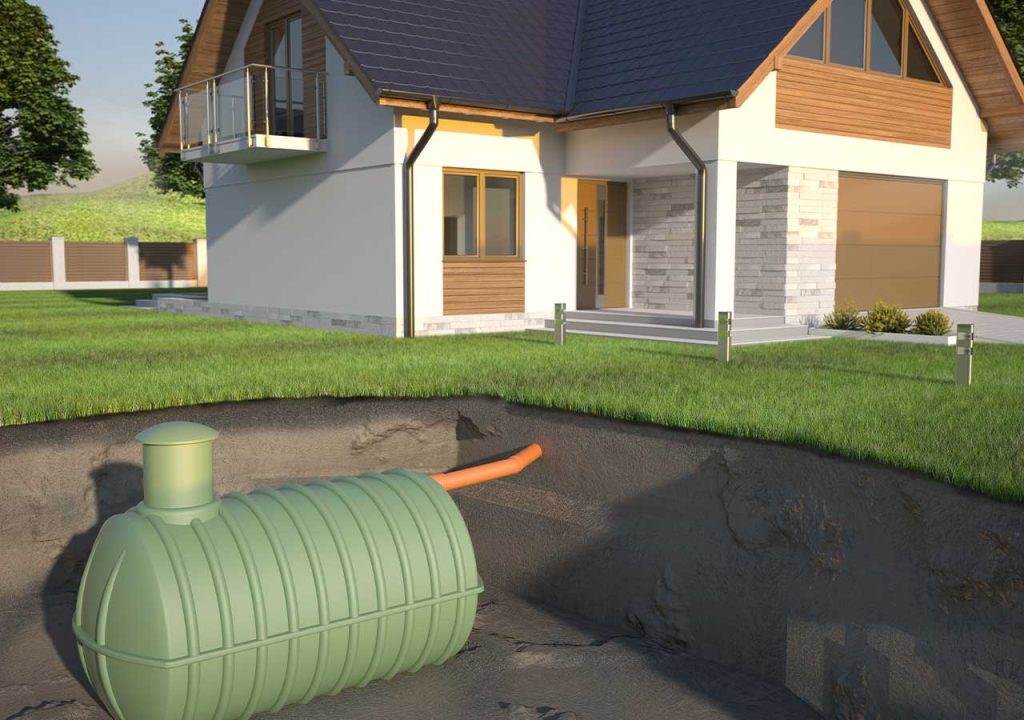

Purchasing a home is a significant investment, and when the property relies on a septic tank, there are unique considerations to understand before signing the dotted line. Homes with septic systems are common in rural and suburban areas where municipal sewer systems are unavailable. While these systems can be efficient and cost-effective, they require proper maintenance and knowledge to avoid costly repairs or health hazards. This article, inspired by resources like Local Value Magazine, provides a comprehensive guide to help you make an informed decision when buying a home with a septic tank.
Understanding Septic Systems
A septic system is an on-site wastewater treatment solution that processes household waste, including water from bathrooms, kitchens, and laundry. Typically, it consists of a septic tank and a drainfield (also called a leach field). The tank collects wastewater, allowing solids to settle and liquids to flow into the drainfield, where they are filtered through the soil. Understanding how these systems work is crucial for assessing a home’s suitability. For example, when evaluating a property’s appeal on real estate platforms, you might wonder, is 35 saves in 5 days good in Zillow? This metric can indicate buyer interest, but it’s equally important to focus on practical aspects like the septic system’s condition.
Why Septic Systems Matter When Buying a Home
Unlike municipal sewer systems, septic systems place the responsibility of maintenance and repairs on the homeowner. Therefore, understanding the system’s condition, age, and compliance with local regulations is essential. A poorly maintained septic tank can lead to backups, environmental contamination, or even the need for a complete system replacement, which can cost thousands of dollars. Additionally, septic systems can affect property value and insurability, making them a critical factor in your home-buying decision.

Key Considerations Before Buying
Before committing to a home with a septic tank, consider the following factors to ensure you’re making a sound investment:
- Age and Condition of the System: Septic systems typically last 20-40 years, depending on maintenance and usage. Ask for records of the system’s installation and maintenance history. A professional inspection can reveal issues like leaks, clogs, or structural damage.
- Maintenance History: Regular pumping (every 3-5 years) is essential for septic system longevity. Request documentation of past pumping and repairs to gauge how well the system has been maintained.
- Size and Capacity: The septic tank must be appropriately sized for the household. A system too small for the number of occupants can lead to frequent backups. Check if the tank’s capacity matches the home’s size and occupancy needs.
- Soil and Drainfield Conditions: The drainfield relies on suitable soil conditions to filter wastewater effectively. Poor soil drainage or a high water table can cause system failure. An inspection can assess the drainfield’s functionality.
- Local Regulations and Permits: Septic systems must comply with local health and environmental regulations. Verify that the system has proper permits and meets current standards, as non-compliance may require costly upgrades.
- Location of the System: Know the exact location of the septic tank and drainfield. These areas should not be driven over, built upon, or covered with impermeable surfaces like concrete, as this can damage the system.
- Future Costs: Budget for ongoing maintenance, including pumping and potential repairs. Replacement costs for a septic system can range from $3,000 to $15,000 or more, depending on the system type and local labor rates.
The Importance of a Septic Inspection
A professional septic inspection is non-negotiable when buying a home with a septic system. Unlike a standard home inspection, a septic inspection involves evaluating the tank, drainfield, and associated components. The inspector may perform a dye test, check for signs of backups, and assess the tank’s structural integrity. According to the Environmental Protection Agency (EPA), regular inspections can prevent major issues by identifying problems early. If the seller cannot provide recent inspection records, hire a licensed septic professional to conduct one before closing.
Potential Red Flags
When evaluating a home with a septic system, watch for these warning signs:
- Foul Odors: Persistent sewage smells near the drainfield or indoors may indicate a failing system.
- Slow Drains: Slow-draining sinks, toilets, or showers can signal clogs or an overloaded septic system.
- Lush Grass Over the Drainfield: While a healthy drainfield may have green grass, overly lush or soggy areas could indicate leaks or poor drainage.
- Standing Water: Puddles or soggy ground near the septic tank or drainfield suggest system failure or oversaturation.
- Missing Records: Lack of maintenance records or permits is a red flag, as it may indicate neglect or unpermitted modifications.
If any of these issues are present, consult with a septic professional to assess the severity and potential repair costs. In some cases, negotiating repairs or a price reduction with the seller may be possible.
Living with a Septic System
Owning a home with a septic tank requires ongoing care to ensure its functionality. Here are some tips for maintaining a healthy septic system:
- Conserve Water: Excessive water use can overwhelm the system. Use water-efficient appliances and fix leaks promptly.
- Avoid Harsh Chemicals: Bleach, drain cleaners, and antibacterial soaps can disrupt the bacteria that break down waste in the tank. Use septic-safe products instead.
- Limit Garbage Disposal Use: Food waste can clog the system. Compost organic waste or dispose of it in the trash.
- Protect the Drainfield: Avoid planting deep-rooted trees or shrubs near the drainfield, as roots can damage pipes. Keep heavy equipment off the area to prevent soil compaction.
- Schedule Regular Pumping: Follow a pumping schedule based on household size and usage, typically every 3-5 years.
For more detailed guidance, the National Onsite Wastewater Recycling Association (NOWRA) offers resources on septic system care and maintenance.
Financial and Insurance Considerations
Septic systems can impact your home’s insurability and financing. Some lenders require a septic inspection before approving a mortgage, as a failing system can devalue the property. Additionally, homeowners insurance may not cover septic system repairs unless you purchase additional coverage. Discuss these factors with your lender and insurance provider to avoid surprises. Budgeting for potential repairs or replacement is also wise, as unexpected costs can strain your finances.
Environmental and Health Impacts
A malfunctioning septic system can contaminate groundwater, wells, and nearby water bodies, posing health risks to your family and community. For instance, untreated wastewater can spread pathogens or pollutants. Therefore, ensuring the system is in good condition protects both your investment and the environment. Regular maintenance and inspections are key to preventing these issues.
Negotiating with Sellers
If the septic system needs repairs or replacement, use this information to negotiate with the seller. You might request that they cover repair costs, reduce the sale price, or include a home warranty that covers septic issues. However, be prepared for sellers who may not disclose the system’s condition fully. A thorough inspection protects you from inheriting costly problems.
Read Also:
Reusable Straw Deep-Cleaning Hacks: 12 Secrets Revealed
A Beginner’s Guide to Leaseholder Responsibilities in the UK
FAQs
What is the lifespan of a septic system?
A well-maintained septic system typically lasts 20-40 years. Factors like soil conditions, usage, and maintenance frequency can affect longevity.
How often should a septic tank be pumped?
Most septic tanks require pumping every 3-5 years, depending on household size and water usage. Consult a professional for a tailored schedule.
Can I build over a septic tank or drainfield?
No, building over a septic tank or drainfield can damage the system and restrict access for maintenance. Keep these areas clear of structures and heavy equipment.
What are the signs of a failing septic system?
Signs include slow drains, foul odors, soggy ground near the drainfield, or sewage backups. A professional inspection can confirm the issue.
Are septic systems more expensive to maintain than sewer systems?
Septic systems require regular pumping and maintenance, which can cost $300-$600 per pumping. However, they eliminate monthly sewer fees, which may offset costs.
Conclusion
Buying a home with a septic tank can be a smart choice, especially in areas without municipal sewer access. However, it comes with unique responsibilities. By understanding the system’s condition, maintenance needs, and potential costs, you can make an informed decision and avoid unexpected expenses. A thorough septic inspection, awareness of local regulations, and commitment to ongoing care are essential steps to protect your investment. With the right knowledge and preparation, you can confidently purchase a home with a septic system and enjoy its benefits for years to come.