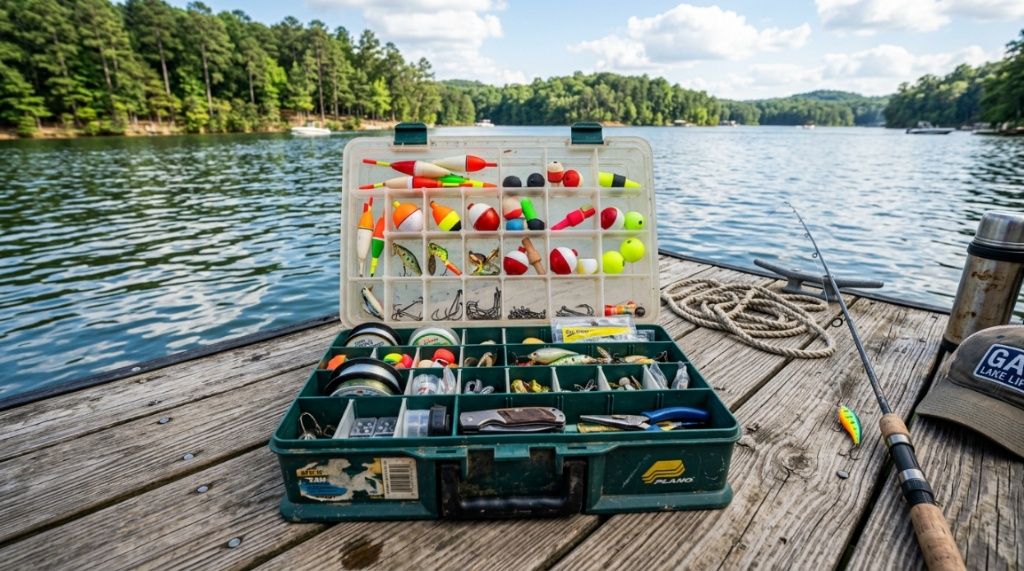

You’ve felt it before—that frustrating moment when a fish steals your bait and you never even knew it was there. You reel in a bare hook and wonder what went wrong. The problem isn’t your fishing spot or your bait. The problem is that you missed the strike entirely. This guide is designed to solve that exact problem. We’re diving deep into how to improve strike detection fishing bobbers, turning subtle nibbles into confident hooksets. By understanding the science of bobber visibility, weight, and water resistance, you can transform a passive float into a sensitive strike indicator that helps you catch more fish than ever before.
What Makes a Bobber Effective for Strike Detection?
A bobber is only as good as its ability to translate a fish’s subtle bite into a visible signal. An effective strike-detecting bobber is lightweight, highly visible, and balanced correctly for the conditions. This ensures even the lightest tap causes a noticeable dip or sideways movement in the water, giving you the crucial milliseconds needed to set the hook.
The Physics of Bobber Buoyancy
Buoyancy dictates how much resistance a fish feels when it takes your bait. If a bobber is too buoyant, a small fish can’t pull it down, and you’ll never see the strike. The goal is to use the smallest, lightest bobber that can still suspend your bait. This minimizes resistance, making it easier for a fish to move the float, thereby providing a clearer signal.
Visibility: The Human Element
Strike detection isn’t just about the bobber moving; it’s about you seeing it move. A bobber that is camouflaged against the water’s surface is useless. High-visibility colors like chartreuse, orange, or white with a contrasting top are essential for spotting subtle movements, especially in low-light conditions or choppy water.
Weight and Casting Distance
While lighter bobbers are more sensitive, they are harder to cast. This is a common trade-off. Heavier bobbers are easy to cast but insensitive to light bites. The best approach is to choose the lightest bobber that you can cast accurately to your target. Modern adjustable-weight bobbers offer the perfect middle ground, allowing you to fine-tune sensitivity without sacrificing casting distance. While picking the right float setup is essential for lake success, protecting your hands from the elements and sharp hooks is just as important—make sure you check out our guide to help you Pick Durable Fishing Gloves Under $50 in Florida.

Why Is My Bobber Not Detecting Bites?
If your bobber sits motionless while fish steal your bait, you have a fundamental setup issue. The most common culprits are improper weighting, using a bobber that’s too large, or fishing with excessive slack in your line. These issues mask the subtle movements of a bite, making it impossible for the bobber to act as an effective alert system.
Incorrect Weighting on the Line
Many anglers add split shot weights near the hook to keep the bait down. However, if these weights are placed too close to the bobber, they absorb the force of the bite. The fish moves the weight, not the bobber. Instead, place the weight 12-18 inches above the hook to create a direct line of pull to the bobber.
Line Slack and Its Impact on Sensitivity
Slack line is the enemy of strike detection. When there is a bow in your line between the rod tip and the bobber, the bobber must first take up that slack before it moves. This essentially deadens the signal. Always keep a tight line to the bobber, and the slightest tap will be transmitted instantly.
Choosing the Wrong Bobber Style
Different bobber styles have different sensitivity levels. Traditional round bobbers are basic indicators, but they require the fish to overcome the bobber’s water resistance. Slip bobbers and quill-style floats are longer and thinner, offering significantly less resistance and thus better strike detection for finesse presentations.
How Do Different Bobber Types Compare for Sensitivity?
Not all bobbers are created equal. The shape and style of a bobber determine how it moves in the water and how much resistance it presents to a biting fish. Understanding these differences is key to selecting the right tool for detecting strikes in various panfishing and bass fishing scenarios.
| Bobber Type | Sensitivity Level | Best Use Case |
|---|---|---|
| Round Plastic Bobber | Low | Live bait fishing for aggressive fish |
| Slip Bobber | High | Deep water fishing, finesse presentations |
| Quill or Pencil Float | Very High | Light bites, calm water, panfish |
| Spring Bobber | Extreme | Ice fishing, detecting micro-ticks |
Round Bobbers vs. Slip Bobbers
Round bobbers are often clipped on the line directly, creating a fixed point. Slip bobbers slide up and down the line, allowing you to cast with the bobber near the hook and then let it slide up to your desired depth. Because slip bobbers can be tuned to be almost neutrally buoyant, they transmit strikes with much less resistance than a fixed round bobber.
The Advantage of Thin Quill Floats
Quill floats are like the precision instruments of the bobber world. Their long, thin profile means they sit mostly vertically in the water. When a fish bites, it only has to overcome the small diameter of the quill’s surface area. This makes them incredibly sensitive for detecting the delicate bites of bluegills or crappie in calm water.
When to Use Fixed Bobbers
Despite their lower sensitivity, fixed bobbers have a place. They are excellent for throwing into heavy cover or using larger baits for aggressive species like bass or pike. The resistance they offer rarely deters an aggressive bite, and their bulk makes them highly visible for long-distance casting.
Which Bobber Weight Should I Use for Different Conditions?
The ideal bobber weight is the smallest amount needed to keep your bait suspended and maintain casting accuracy. This varies based on wind, depth, and bait size. In calm, shallow water, a tiny 1-gram bobber may be perfect. In windy conditions or deep water, you may need a heavier model to stay on target.
Matching Bobber Weight to Wind Conditions
Wind creates drag on your line, which can pull your bobber and create slack. On gusty days, you need a heavier bobber to keep your line tight and see the strike. A general rule of thumb is to double your bobber weight in windy conditions compared to what you would use on a calm day.
Bait Size and Weight Considerations
A heavy live bait like a shiner will need a larger bobber to stay suspended. However, you still want the line between the bobber and the hook to be taut. If the bait is too heavy, it will drag the bobber down. Use a bobber with just enough buoyancy to support your bait, allowing the bait to move naturally while keeping the bobber upright.
Adjustable Balance Systems
Modern adjustable bobbers feature internal water chambers or interchangeable weights. This allows you to fine-tune sensitivity on the spot. By adding a few drops of water, you can make the bobber nearly neutrally buoyant, which makes it incredibly sensitive to even the lightest nip from a crappie or bluegill.
Can I Modify Standard Bobbers for Better Detection?
Yes, you can enhance the sensitivity of many standard bobbers with simple modifications. Adding a small piece of reflective tape can make them easier to see, while reducing the weight on the line can make them react faster. These small tweaks are a great way to improve strike detection fishing bobbers without breaking the bank.
Adding Visibility Enhancers
Adhesive glow-in-the-dark dots or strips of reflective tape can make a standard bobber visible in low-light conditions. This doesn’t change the physics of the strike, but it dramatically improves your ability to see the subtle movement that indicates a bite, effectively improving your strike detection through better observation.
Swapping Out Hardware
Often, bobbers come with cheap, heavy hardware. Replacing the metal clips with lighter, thinner gauge wire can reduce the overall weight of the bobber system. This small change makes the bobber more responsive to light bites because there is less inertia to overcome.
Using a Tension-Reducing Knot
How you attach your line to the bobber matters. A line that passes through a flexible rubber sleeve creates tension, which reduces sensitivity. Instead, use a clip that is fixed but allows the line to pass through freely, similar to a slip bobber setup. This eliminates the “hot spot” of friction and lets the bobber slide at the slightest pressure change.
How to Set Up a High-Sensitivity Slip Bobber Rig
A slip bobber rig is superior for detecting bites because it allows for fishing at any depth without sacrificing casting accuracy. The setup involves using a small bobber stop knot that slides on the line, a bead to protect the knot, and the bobber itself. This configuration channels the direct pull of a fish to the bobber with minimal resistance.
Step 1: Attach the Bobber Stop Knot
Tie a small, rubber bobber stop knot onto your main line. This is the adjustable “stopper” that determines your fishing depth. It is small enough to pass through the rod guides during the cast, allowing you to cast with your bait at depth.
Step 2: Slide on Bead and Bobber
Slide a small plastic bead down the line to act as a buffer between the bobber stop knot and the top of the bobber. Then, slide your slip bobber onto the line. This allows the line to run freely through the bobber, creating a direct connection to the hook.
Step 3: Add Weight and Hook
Tie on your hook and add a split shot weight about 12 inches above it. The weight should be just enough to keep your bait down. This setup ensures any motion from the fish pulls directly against the line, which instantly translates to the bobber moving.
When Should I Set the Hook on a Bobber Movement?
Timing is everything. The impulse is to yank the rod the second the bobber dips. However, many fish, especially panfish, will bite and then spit the hook out quickly. The ideal time to set the hook is when the bobber begins to move sideways or when it dips and holds under the surface, indicating the fish has taken the bait into its mouth.
Distinguishing Between Nibbles and Solid Bites
Sometimes a bobber will twitch or quiver. This is often the fish blowing bubbles on the bait or adjusting its grip. Wait for a deliberate pull. A strong, deliberate pull downward or a sudden lateral drag is almost always a signal that the fish has committed.
The “Wait for the Slide” Technique
Expert sight fishermen often employ the “slide technique.” When the bobber starts to make a horizontal move (the “slide”), it means the fish is swimming away with the bait. This is the perfect time to reel in the slack and sweep the rod tip up to set the hook firmly, ensuring a solid catch.
Reaction Times Based on Species
Aggressive species like bluegill may require an immediate hookset. Finicky fish like trout might need a second of patience. The key is to watch the bobber’s behavior. If it goes straight down, set the hook. If it hesitates, be ready and lean into the hookset as soon as you see the line move through the bobber.
What Are the Best Bobber Colors for Visibility?
Color contrast is critical. A bobber must stand out against the water and sky. For most conditions, a bright orange or chartreuse body with a white or highly reflective top is optimal. The white top catches available light, making it apparent even in shadow or darker water conditions.
Low-Light and Dawn/Dusk Fishing
During twilight hours, the contrast shifts. Glow-in-the-dark bobbers or those with dark and light contrasting colours (like black and white) are easier to see. Many anglers use black or dark blue tops for dawn and dusk, as these colors provide a sharp silhouette against the bright sky.
Clear and Murky Water Choices
In clear water, some anglers worry about visibility. But a bobber floats on the surface, so natural colors like clear or translucent are less important. Instead, prioritize a color you can see from 40 yards away. Chartreuse and fluorescent orange are universally effective in both clear and murky water for human visibility.
The Mirror Trick for Glare
On bright, sunny days, glare can make it impossible to see any bobber, regardless of color. Wear polarized sunglasses to cut through the glare. For heavily tinited water, consider a bobber with a “mirror” or metal-flake finish which reflects sunlight more effectively, making it a bright dot on the surface.
Is a Higher Casting Weight Worth the Loss of Sensitivity?
Typically, no. If you are fishing at a moderate distance, a lighter bobber that you can cast with a smooth lob will always outperform a heavy one. The loss of sensitivity means you will miss subtle bites. The only time to sacrifice sensitivity is when you are fishing very deep water or in severe wind, where the heavy weight is necessary just to get your gear out.
Finesse Techniques with Micro Bobbers
For maximizing bites, consider using micro bobbers (less than 1 inch long). These are perfect for dock fishing or fishing with a cane pole. Their almost non-existent resistance means the fish never notice the float is there. This yields far more strikes because the presentation is incredibly natural.
Using a Sighter or Spring Bobber
Spring bobbers are specialized tools that attach to the tip of your rod, rather than the line. They act as an extension of your rod tip, wiggling at the slightest line pull. This method bypasses the need for a float altogether, providing the ultimate strike detection system, especially for ice fishing or still-water jigging.
For a deeper dive into selecting the right hardware for your region and conditions, you can explore resources that detail specific product recommendations. To improve strike detection fishing bobbers, consider the environment you fish in most often, as this will heavily influence your choice between a micro float and a heavier casting bobber.
How Does Line Diameter Affect Bobber Sensitivity?
Thicker, heavier line creates more drag in the water, which can dampen the bobber’s movement. A thicker line also weighs more, causing a slight bow in the water column, which reduces the directness of the pull. For maximum sensitivity, use the lightest line possible for your target species.
The Impact of Line Drag
When a fish bites, it must first move the water, then the line, then the bobber. A thick line has a larger cross-sectional area, meaning it pushes more water and creates more friction. This friction absorbs the energy of the bite, making the bobber move less. A thin line slices through the water cleanly.
Fluorocarbon vs. Monofilament
Fluorocarbon is denser and sinks. If you’re fishing with a bobber, this can cause a bow in the line between the bobber and the hook. Monofilament, by comparison, floats, keeping your line straight. For bobber fishing, floating monofilament is almost always the better choice for sensitivity.
Testing Your Setup in the Yard
You can test the sensitivity of your setup at home. Attach your bobber to a line, hang a small sinker on the hook, and place the bobber in a bucket of water. Watch how much the bobber moves when you wiggle the rod tip. If it doesn’t move with a slight jig, you need to downsize the line or bobber weight.
Frequently Asked Questions
What is the most sensitive type of bobber?
The quill float or the wire spring bobber are the most sensitive types. They offer the least water resistance and can detect the faintest bites, making them ideal for panfish and crappie.
Should I use a bobber with a weighted bottom?
Yes, a weighted bottom (like a teardrop shape) helps the bobber sit upright in the water, reducing rocking and making it easier to see subtle movements. It also aids in casting distance.
Can I use a bobber in current for trout?
Yes, but you need to use a heavier bobber to hold your position. Use a “slip” setup to adjust the depth quickly. In current, position yourself behind the angler upstream and watch for the bobber to pause or stop suddenly.
Does the color of the bobber matter to the fish?
Generally, no. The fish are looking at the bait, not the bobber floating above them. However, you should choose a color your eyes can easily track to ensure you don’t miss a strike.
What is a balloon bobber?
A balloon bobber is a large, inflatable float used for targeting large fish like muskie or catfish. It offers great visibility but has high water resistance, making it unsuitable for detecting subtle strikes, though it works well for aggressive bites.
Final Thoughts on Master Bobber Networking
Mastering strike detection is about reducing resistance and maximizing visibility. By implementing the techniques discussed—choosing the right bobber style, weighting your line correctly, and keeping a tight line—you will see more bites than ever before. Each adjustment brings you closer to that tactile connection with what’s beneath the water, turning a passive wait into an active, engaging pursuit.
Start by simplifying your setup. Switch to a slip bobber, use the lightest line possible, and ensure your weights are placed correctly. Don’t be afraid to modify your bobbers to improve their visibility. The next time out, apply these lessons and notice the difference when a subtle “tap” becomes a visible, hook-set-winning signal.