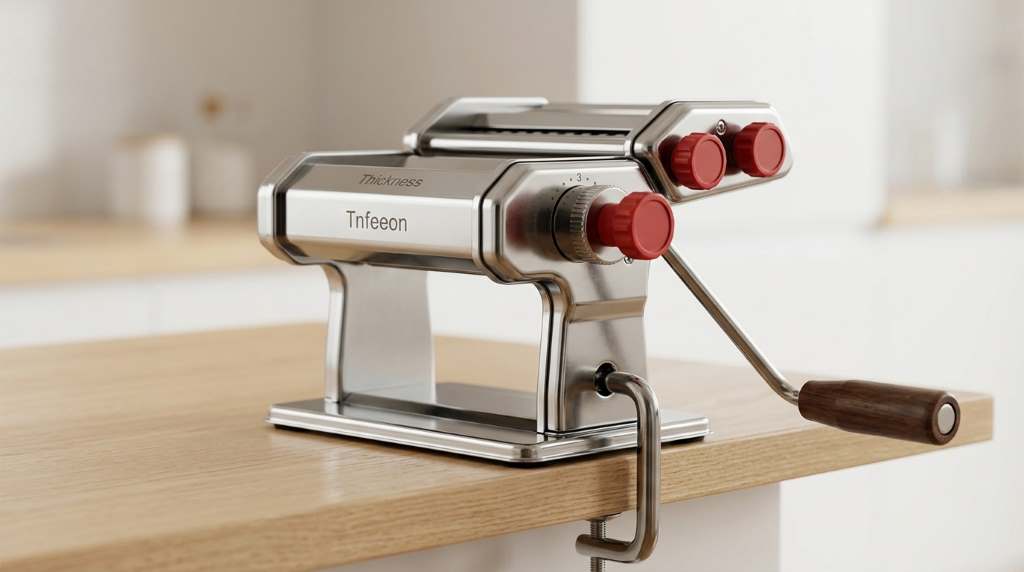

Yes, the Tnfeeon Stainless Steel Pasta Maker can simplify homemade gnocchi and cavatelli production. Fresh gnocchi usually cooks in about 2 to 4 minutes, so consistent shaping matters for even results. This fresh gnocchi machine focuses on repeatable shapes without electricity. The real question involves dough consistency, handling, cleanup, and whether the machine saves meaningful kitchen time.
Key Takeaways Before You Buy
- Manual operation: The crank requires no electrical outlet or motor.
- Stainless construction: Metal construction suits frequent pasta-making better than fragile plastic tools.
- Shape consistency: The rollers help produce more uniform pieces than hand-cutting alone.
- Dough matters: A soft or sticky dough can undermine even the best pasta maker.
- Workflow advantage: The machine becomes more useful when preparing several portions.
- Best fit: It suits home cooks who regularly make short pasta shapes.
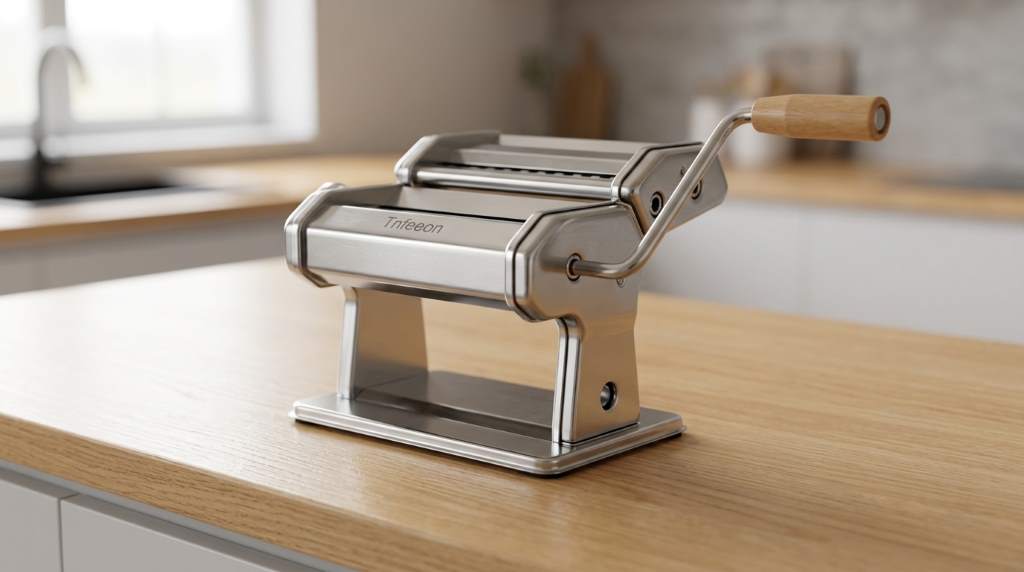
What The Tnfeeon Pasta Maker Actually Does
The Tnfeeon Stainless Steel Pasta Maker belongs to the manual short-pasta maker category. Instead of extruding dough through an electric motor, you feed prepared dough through its shaping mechanism.
That distinction matters because gnocchi makers do not replace proper dough preparation. They mainly improve shaping speed, uniformity, and repeatability during the final stage.
Comparable manual cavatelli machines typically use a hand crank and compact metal construction. Some models also secure against the countertop, reducing movement during repetitive cranking.
Therefore, think of the Tnfeeon as a shaping tool rather than a complete pasta-making system. You still need suitable dough, flour, a work surface, and a cooking setup.
What It Is Designed To Improve
Hand-shaped gnocchi can vary considerably in thickness, length, and surface texture. A dedicated maker creates greater consistency while reducing the repetitive rolling required from the cook.
Consequently, the machine makes more sense when consistency matters. That includes family dinners, meal preparation, dinner parties, and repeated batches.
If you already enjoy traditional hand shaping, however, the machine may feel unnecessary. Its value comes from reducing repetitive work rather than replacing culinary technique.
Why Dough Preparation Determines The Final Result
Before operating any gnocchi maker, prepare dough with a firm, workable texture. Excess moisture creates sticky dough, while excessive flour can produce dense finished gnocchi.
For potato gnocchi, cook potatoes until tender, then remove moisture thoroughly before mashing. A dry potato base generally requires less additional flour during mixing.
For broader kitchen planning, choose kitchen cabinets with enough counter space for pasta preparation. A stable workspace makes manual cranking substantially easier.
Keep the dough cohesive without kneading it aggressively. Overworked potato dough can become heavy, chewy, and noticeably less delicate after cooking.
A Simple Dough Readiness Test
Press the dough lightly with a floured fingertip. It should feel soft and cohesive without leaving a wet residue on your finger.
Next, roll a small piece into a rope. If the rope cracks immediately, add minimal moisture or continue gentle mixing.
If the rope sticks heavily to your hands, resist adding large amounts of flour. Instead, dust the work surface gradually and reassess the dough.
Testing The Tnfeeon Workflow From Dough To Pot
A useful test focuses on the complete workflow rather than the machine alone. That means examining setup, feeding, cranking, shaping, handling, cleanup, and cooking.
Start by placing the machine on a stable, comfortable work surface. Manual pasta machines can shift when the dough becomes difficult to feed.
Comparable machines commonly use suction or clamping systems for stability. One current manual model measures about 24 by 14 by 19 centimeters and weighs roughly 1.7 kilograms.
Before feeding dough, divide it into manageable portions. Smaller pieces give you better control and reduce unnecessary pressure on the rollers.
Step 1: Prepare Manageable Dough Portions
Cut the dough into short sections before loading the machine. Avoid pushing one oversized mass into the feed area.
Then dust the dough lightly with flour if its surface feels tacky. Use enough flour to prevent sticking without creating a dry exterior.
Consistency matters more than speed at this stage. A controlled feed produces better shapes than aggressive cranking.
Step 2: Feed And Crank Slowly
Guide the dough toward the shaping mechanism while turning the handle steadily. Maintain a consistent rhythm rather than repeatedly stopping and starting.
As the machine forms the pieces, watch the emerging pasta closely. Catch the shaped pieces gently so they do not compress against each other.
If the dough jams, stop cranking immediately. Remove the obstruction, check the dough texture, and restart with a smaller portion.
Step 3: Check Shape Consistency
Place the first several pieces beside one another before continuing the entire batch. This quick inspection reveals problems before they multiply.
Look for consistent thickness, clean edges, and adequate separation between individual pieces. Adjust dough moisture or feeding pressure when the shapes look uneven.
Traditional ridged pasta surfaces also provide an important functional benefit. Grooves increase surface texture, helping sauce cling more effectively to the cooked pasta.
Step 4: Cook A Small Test Batch
Do not cook the entire batch before checking your first pieces. Instead, boil a few pieces and evaluate texture, shape retention, and tenderness.
Fresh gnocchi generally cooks quickly, often within a few minutes after entering boiling water. Therefore, stay near the pot instead of relying on a long timer.
Once pieces rise and reach the desired tenderness, remove them promptly. Overcooking can turn delicate gnocchi soft and waterlogged.
What Makes Stainless Steel Useful Here?
Stainless steel appeals to home cooks because it combines durability with a relatively straightforward surface-cleaning routine. It also gives manual pasta equipment a substantial feel during repetitive operation.
However, stainless steel does not automatically make every machine easier to use. Roller geometry, dough consistency, stability, and cleaning access still determine the overall experience.
When evaluating any pasta tool, make the most of your available counter space before choosing where it will live. A compact tool loses practical value when storage becomes inconvenient.
After use, remove visible dough before it dries. Dried dough can become much harder to dislodge from narrow mechanical areas.
Do Not Soak The Machine Automatically
Manual pasta equipment often contains moving parts that benefit from controlled cleaning. Avoid treating the entire machine like a cookware item unless its instructions specifically permit immersion.
Instead, remove loose flour and dough mechanically where possible. Use a dry or slightly damp cleaning method appropriate for the manufacturer’s instructions.
Allow every cleaned component to dry completely before storage. Moisture trapped around mechanical parts can create unnecessary maintenance problems.
Where The Tnfeeon Fits Against Other Gnocchi Methods
The Tnfeeon competes with three broad approaches: hand shaping, ridged boards, and larger pasta machines. Each option serves a different type of home cook.
A traditional gnocchi board costs little and requires almost no storage space. However, you must roll, cut, and shape each piece manually.
A larger electric pasta appliance can reduce physical effort further. Yet it usually costs more and occupies more counter or cabinet space.
For comparison, KitchenAid’s pasta attachment category can produce multiple short pasta shapes. Such attachments require a compatible stand mixer, making their total ownership cost different.
Hand Shaping Versus The Tnfeeon
Hand shaping offers maximum control over individual pieces. It also preserves the traditional tactile process many cooks genuinely enjoy.
The Tnfeeon instead prioritizes repeatability and throughput. Therefore, it becomes more attractive when you want similar pieces across an entire batch.
Gnocchi Board Versus The Tnfeeon
A ridged board remains an excellent low-cost option for occasional gnocchi making. It also requires minimal storage and virtually no mechanical maintenance.
The Tnfeeon makes more sense when repetitive shaping feels tedious. Its advantage grows as batch size and cooking frequency increase.
Food Grinder Attachments And Short Pasta
Some cooks already own grinder attachments for processing ingredients and making specialized preparations. However, a grinder attachment and a dedicated gnocchi maker solve different shaping problems.
If you already own a compatible system, KitchenAid food grinder attachment information can help clarify which workflow suits your kitchen.
Choose dedicated equipment when you want a focused tool. Choose multifunctional equipment when storage efficiency and versatility matter more.
Common Problems And How To Fix Them
Dough sticks to the rollers: Reduce moisture slightly and dust the dough lightly with flour.
Pieces look compressed: Feed smaller portions and maintain steady crank pressure.
Shapes break apart: Check whether the dough lacks sufficient cohesion before blaming the machine.
Machine moves during cranking: Improve countertop stability and use the provided securing mechanism correctly.
Pieces vary dramatically: Standardize dough portions and maintain consistent feeding speed.
Cleanup becomes difficult: Remove dough immediately instead of allowing residue to harden.
How To Get Better Gnocchi From The First Batch
Start with a small production run rather than preparing several pounds immediately. This approach lets you identify dough problems before wasting ingredients.
Keep shaped gnocchi separated on a lightly floured surface. Crowding encourages pieces to stick together and distort their finished shape.
Use a consistent cooking method throughout the batch. Different water temperatures and overcrowded pots can produce misleading texture comparisons.
Also, record what worked. Note potato moisture, flour quantity, dough feel, shaping speed, cooking time, and sauce choice.
That simple record transforms the machine from a novelty purchase into a repeatable cooking system. After several batches, you should know exactly how your preferred dough behaves.
Who Should Buy The Tnfeeon Stainless Steel Pasta Maker?
This machine makes the strongest case for cooks who prepare gnocchi or short pasta regularly. It also suits people who dislike repetitive hand shaping.
It becomes less compelling for cooks who make gnocchi only once or twice annually. In that situation, a simple board may provide enough functionality at lower cost.
Likewise, cooks seeking spaghetti, fettuccine, or lasagna should consider a traditional adjustable pasta roller instead. The Tnfeeon targets a narrower category of pasta shapes.
Ultimately, the purchase depends on workflow rather than novelty. If consistent short pasta matters, dedicated equipment can earn its place quickly.
Final Verdict: Is Gnocchi Really Easier With Tnfeeon?
Yes, a dedicated manual maker can make gnocchi production more consistent and less repetitive. The biggest gains come from standardized shaping, controlled feeding, and repeatable results.
However, the machine cannot rescue poorly balanced dough. Your ingredients, moisture control, portion size, and handling technique still determine much of the final texture.
For frequent home pasta makers, the Tnfeeon Stainless Steel Pasta Maker offers a practical middle ground. It avoids electrical complexity while providing more structure than traditional hand shaping.
If you want to make several batches throughout the year, compare the machine’s size, securing method, cleaning requirements, and shape compatibility before buying. Then pair it with a dependable dough process for the best results.
Ready to make your next batch? Start with a small dough portion, test several pieces, adjust the texture, and only then produce the full batch.
Frequently Asked Questions
Can The Tnfeeon Stainless Steel Pasta Maker Make Gnocchi?
Yes, the machine is designed for shaping gnocchi and similar short pasta forms through manual operation.
Does The Tnfeeon Pasta Maker Need Electricity?
No, its manual crank design operates without electricity.
Can Sticky Dough Damage The Gnocchi Maker?
Sticky dough can obstruct the shaping mechanism and make consistent production much harder.
Is Stainless Steel Better For A Pasta Maker?
Stainless steel can provide durable construction, but design and dough handling matter equally.
Should I Test One Gnocchi Before Cooking The Whole Batch?
Yes, cooking a small test batch helps you correct dough texture and shaping problems early.