
Key Takeaways
- Compare the full cost of owning a home, not only its purchase price and mortgage payment.
- Review flood information, elevation, drainage, insurance options, and storm protection early.
- Waterfront, near-water, and inland homes can all fit different goals and routines.
- Test likely drives to medical care, groceries, work, beaches, marinas, and the airport.
- Use the inspection period to investigate roof condition, permits, repairs, association records, and major exterior features.
Buying near the water in Fort Myers can mean choosing among riverfront homes, canal properties, beach-area condos, golf communities, and inland neighborhoods with easier access to daily services. When you begin comparing Homes for Sale in Fort Myers, McMurray And Members Of Royal Shell Real Estate provide a searchable view of local houses, condos, and other listings that can help buyers evaluate options across Fort Myers and nearby Southwest Florida communities. Their connection to Royal Shell Real Estate, along with a local focus on Fort Myers, Fort Myers Beach, Sanibel, Captiva, Cape Coral, and Alva, makes the search experience useful for comparing lifestyle, location, and property type.
The best coastal home is not always the one with the largest view or lowest list price. In Southwest Florida, water exposure, insurance, elevation, construction, maintenance, and everyday travel can all shape the real cost and comfort of ownership. A thoughtful comparison process helps turn an emotional decision into a practical long-term plan.
1. What Makes a Coastal Home Different?
Fort Myers offers an outdoor-oriented lifestyle shaped by the Caloosahatchee River, Gulf access, parks, boating, fishing, and warm weather. That appeal comes with practical considerations. Humidity, intense sun, wind, rain, salt exposure near the coast, and storm preparation can influence maintenance decisions over time.
For example, a waterfront condo and an inland single-family home may have similar asking prices, but their monthly costs can differ substantially. The condo may include shared exterior upkeep through association fees, while the house may offer more privacy and yard space but require direct budgeting for its roof, pool, landscaping, and exterior systems.
2. How Location Shapes Daily Life
“Fort Myers” covers many different living patterns. A property near downtown may suit buyers who value restaurants, riverfront walks, and cultural venues. A home farther south or east may offer a different balance of neighborhood setting, road access, shopping, healthcare, and travel time.
Before making an offer, write down three trips you expect to make often. They might include a grocery run, a medical appointment, and a drive to Southwest Florida International Airport. Visit each property at realistic times, rather than judging convenience from a map alone. Also consider seasonal traffic, street noise, parking, privacy, and access to beaches, marinas, golf, or walking routes.
3. Reviewing Flood Zones and Elevation
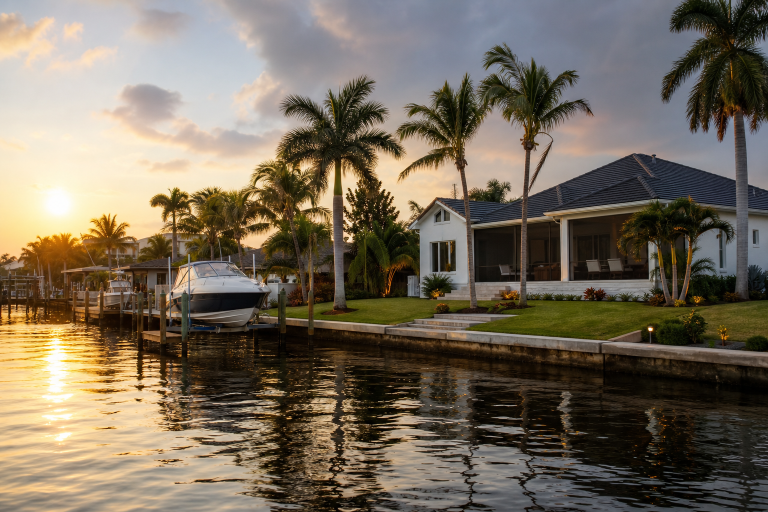
Flood research should begin before the inspection deadline. An official flood-map lookup can help buyers identify mapped flood hazard areas for a property, but the map is only one part of the picture. Ask qualified professionals about the home’s elevation information, drainage, nearby water features, and any history of water intrusion or repairs.
Buyers may also encounter the term Base Flood Elevation. In simple terms, it is an elevation used in flood-risk and building discussions. An elevation certificate, when available, can provide property-specific details that may be relevant to insurance and lending. Confirm requirements directly with the lender and insurance professional, because a property’s circumstances and coverage options can vary.
4. Planning for Insurance and Ownership Costs
A sound budget goes beyond principal and interest. Estimate monthly ownership cost by adding the mortgage payment, property taxes, homeowner’s insurance, possible flood coverage, association fees, utilities, and a maintenance reserve. Waterfront homes may also require attention to docks, seawalls, boat lifts, pools, lanais, screens, and landscaping.
Request insurance quotes before the inspection period ends. A seller’s existing premium is not necessarily what a new owner will pay, and coverage choices can depend on the home’s condition, age, location, roof details, and other underwriting factors. Condo buyers should also review what the association’s master policy covers and what coverage remains their responsibility.
5. Checking Storm Protection and Home Condition
Storm readiness is not a single feature. Review the roof’s age and available permit history, the condition of windows and doors, hurricane shutters or impact-rated openings where applicable, garage doors, drainage, HVAC equipment, electrical systems, and plumbing. Look for signs of water intrusion, corrosion, poor ventilation, or deferred maintenance.
Older homes deserve careful review, but age alone does not determine quality. A well-maintained property with documented improvements may be a strong option, while a newer property can still have issues that need attention. When appropriate, use specialists for roof, pool, dock, seawall, or structural concerns in addition to a general home inspection.
6. Comparing Waterfront, Near-Water, and Inland Homes
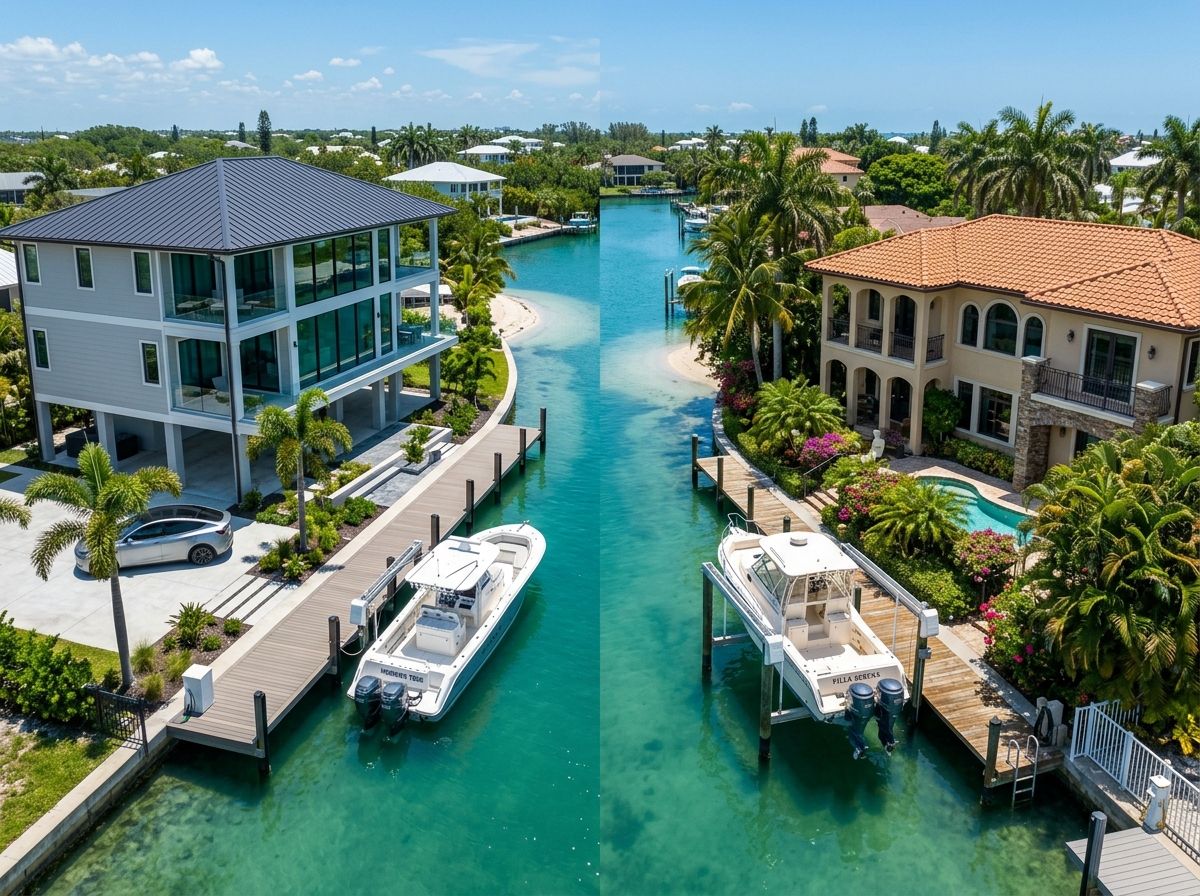
- Waterfront or canal-side homes: These can prioritize views and boating access. Ask about dock condition, seawall maintenance, bridge clearance, water depth, and the route to open water.
- Beach-area or coastal properties: These may place buyers closer to shore activities and vacation amenities. Review parking, rental rules, wind exposure, insurance, and storm recovery considerations.
- Inland neighborhoods: These can offer more space, quieter streets, or fewer direct waterfront maintenance needs. Compare the drive to recreation, major roads, services, and the coast.
- Condominiums and townhomes: These may reduce individual exterior maintenance. Read association budgets, reserves, rules, pending assessments, and rental restrictions before committing.
7. Using Local Market Knowledge
Local context matters because two nearby communities can have different association structures, property designs, travel patterns, and ownership responsibilities. Ask how the area feels during busier and quieter periods, which features are typical for homes there, and what may influence future buyer interest. A home that supports your daily routine is often easier to enjoy and easier to explain when it is time to sell.
8. A Pre-Offer and Inspection Checklist
- Set a complete budget that includes insurance, taxes, fees, utilities, and maintenance.
- Drive key routes at the times you would normally use them.
- Review flood mapping, elevation details, drainage, and nearby waterways.
- Request homeowners and flood insurance estimates early.
- Check permits, major improvements, roof records, and storm-repair documentation.
- Read association financials, rules, reserves, assessments, and rental policies.
- Arrange inspections suited to the home’s features, including pools, docks, or seawalls when needed.
- Compare recent sales and active listings with similar location, condition, and amenities.
9. Common Questions
Should buyers avoid homes in flood zones?
Not automatically. A flood-zone designation is a prompt for deeper due diligence. Review elevation, insurance, construction, drainage, previous repairs, and the overall ownership budget before deciding whether the property fits your comfort level.
Does waterfront always mean better value?
Water access and views can be highly appealing, but not all waterfront settings offer the same experience. Access quality, upkeep needs, condition, insurance, and neighborhood demand all matter. Buyers should define what waterfront living actually means to them before paying for it.
What coastal information should buyers watch?
Along with property-specific records and professional advice, buyers can follow coastal water-level patterns to better understand why long-term water conditions belong in a broader coastal ownership conversation.
Final Thoughts
A smart Fort Myers purchase balances lifestyle with practical ownership details. Compare daily convenience, flood exposure, insurance, construction, maintenance, association obligations, and future resale appeal alongside the view. With careful research before an offer, buyers can choose a coastal home that works not only for weekends and special occasions, but also for everyday life.