
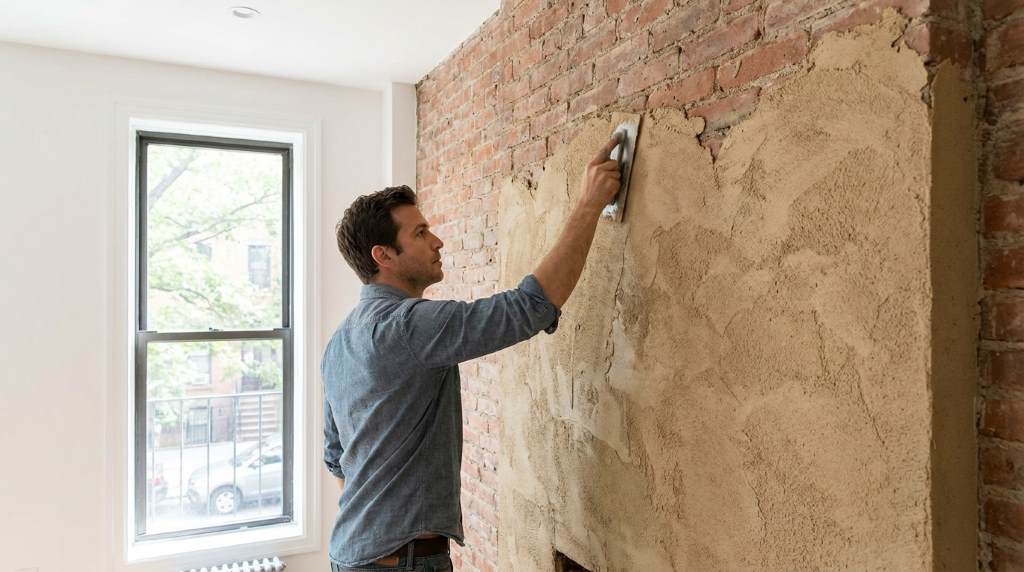

To fix a dull accent wall in Brooklyn, NY, refresh its color, texture, lighting, or surrounding decor. A carefully chosen paint shade often delivers the fastest improvement without requiring a full room makeover. Brooklyn homes face strong design influences, from historic brownstones to compact modern apartments. According to the U.S. Census Bureau, Brooklyn has over 2.5 million residents. Meanwhile, darker interiors can benefit greatly from thoughtful contrast and reflective surfaces. Even diy black paint can create depth when used strategically.
Start by Diagnosing Why the Accent Wall Looks Dull
Before repainting, determine exactly why the wall feels lifeless. A dull wall may suffer from poor color selection, weak lighting, flat finishes, or visual clutter.
First, inspect the wall during morning, afternoon, and evening light. Natural sunlight can make some colors appear warmer, cooler, brighter, or noticeably grayer.
Next, examine nearby furniture, flooring, curtains, and artwork. These elements can either strengthen the wall color or make it appear disconnected.
Also, check the wall surface closely for cracks, stains, dents, grease, or uneven texture. Surface imperfections often become more noticeable under directional lighting.
If moisture concerns exist elsewhere in the property, address those problems before cosmetic improvements. Understanding how professionals evaluate pumping requirements can also illustrate the value of diagnosing underlying problems first.
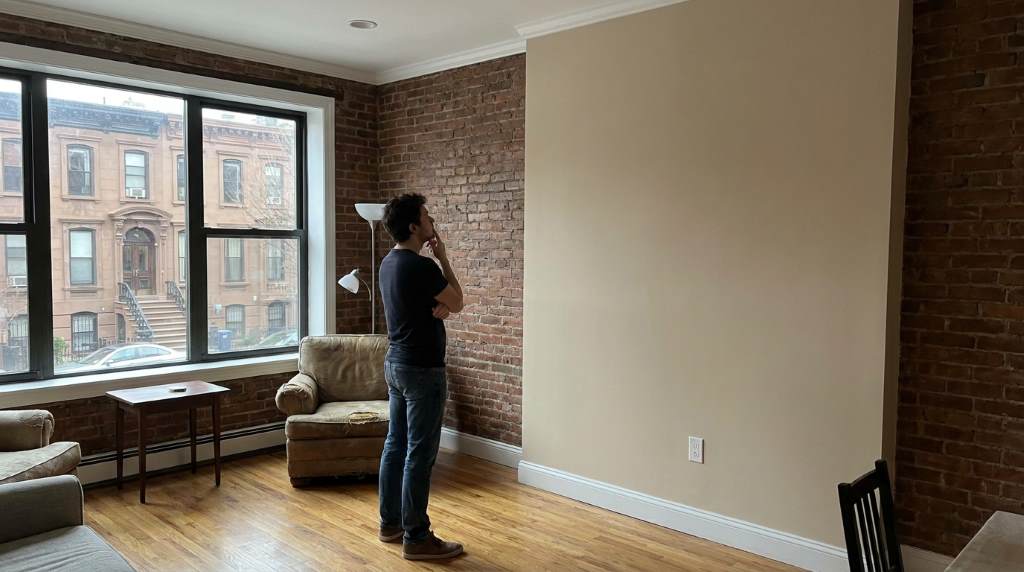
Use a Simple Dullness Test
Stand several feet away and photograph the wall under different lighting conditions. Then compare those photographs with the actual wall.
If the wall looks attractive in daylight but dull at night, lighting probably causes the problem. Conversely, consistent dullness usually points toward color, finish, or decor.
Choose a Color That Works With Brooklyn Light
Brooklyn interiors can receive very different amounts of natural light throughout the day. Therefore, select accent colors according to the room’s actual exposure.
South-facing rooms usually receive stronger natural light. Consequently, deeper colors can work well without making the room feel excessively dark.
North-facing rooms often receive cooler, softer light. Warm neutrals, muted terracotta, creamy beige, and softened green can add needed warmth.
East-facing rooms receive stronger morning light and softer afternoon illumination. West-facing rooms usually reverse that pattern, creating warmer evening conditions.
For compact apartments, avoid choosing dramatic colors simply because they look attractive online. Instead, test samples directly against the wall before committing.
Test Paint Samples Correctly
Paint at least two large sample areas instead of testing tiny swatches. Place them near windows, corners, furniture, and existing decorative elements.
Observe each sample throughout one complete day. Pay particular attention to morning shadows and evening artificial lighting.
Also, avoid comparing colors against white computer screens. Digital displays cannot accurately reproduce every paint color or finish.
Fix the Wall Surface Before Adding More Color
A beautiful color cannot fully hide a neglected wall surface. Therefore, prepare the wall before applying fresh paint.
Start by removing dust, fingerprints, cooking residue, and other surface contaminants. Use an appropriate cleaner and allow the wall to dry completely.
Next, fill nail holes and minor dents with suitable patching compound. Sand repaired areas until they feel smooth beneath your fingertips.
Then, inspect peeling or cracked paint carefully. Scrape loose material, smooth the edges, and prime exposed areas before repainting.
For heavily marked walls, choose a primer designed for stain blocking or surface uniformity. This step helps the final color appear richer and more consistent.
Improve Texture Without Making the Wall Busy
Texture can rescue a visually flat accent wall when paint alone feels insufficient. However, restraint matters in smaller Brooklyn rooms.
Consider subtle limewash effects, refined plaster finishes, narrow wood slats, or carefully installed wall molding. Each option adds dimension without overwhelming the room.
For rental properties, removable wallpaper can provide temporary visual interest. Choose patterns with moderate contrast when the room already contains several decorative elements.
Keep texture consistent with the property’s architecture. Traditional details usually suit classic patterns, while modern spaces benefit from cleaner geometric treatments.
Use Lighting to Make the Accent Wall Come Alive
Lighting often determines whether an accent wall looks sophisticated or disappointingly flat. Therefore, improve illumination before assuming the paint color needs replacement.
Start with ambient lighting that evenly illuminates the entire room. Then add targeted fixtures that highlight artwork, texture, or architectural details.
Wall sconces work particularly well beside accent walls. They create vertical interest while adding controlled pools of illumination.
Picture lights can emphasize framed artwork without flooding the entire wall. Similarly, adjustable recessed fixtures can highlight textured surfaces.
Choose bulbs according to the atmosphere you want. Warm white lighting generally creates a softer residential feel, while cooler light produces sharper visual contrast.
Correct Common Lighting Problems
If one side of the wall looks significantly darker, rebalance the room’s light sources. A single overhead fixture often creates uneven illumination.
Add floor lamps near darker corners when possible. Table lamps can also introduce smaller layers of light around furniture.
Furthermore, clean windows and remove unnecessarily heavy curtains when natural light feels restricted. More daylight can dramatically change how accent colors appear.
Balance the Wall With Better Furniture and Decor
An accent wall rarely works independently from the rest of the room. Its surrounding objects should support the wall rather than compete with it.
Begin with the largest furniture pieces. A sofa, bed, cabinet, or dining table can strongly influence how the accent color feels.
Use complementary tones rather than matching every item exactly. Repeating one accent color through smaller accessories usually creates stronger cohesion.
Wood tones can soften bold walls, while metal finishes can introduce sharper contrast. Natural fabrics also prevent darker walls from feeling visually heavy.
For wood surfaces nearby, a clean finish can improve the overall composition. A guide about a clean kitchen wood finish can help when coordinating adjacent wooden elements.
Build a Three-Layer Decor Scheme
Create three visual layers to make the wall feel intentional. Use a dominant color, a supporting tone, and one restrained accent.
For example, pair a deep green wall with warm wood and muted cream textiles. Alternatively, combine charcoal with natural oak and soft white furnishings.
Avoid introducing too many unrelated colors. Too much variation can make an already dull wall feel visually confused instead.
Try Budget-Friendly Changes Before Repainting
Repainting remains effective, but it should not always become the first solution. Several inexpensive changes can dramatically improve a tired accent wall.
Start by removing outdated decorations that visually compete with the wall. Empty space can sometimes make a stronger design statement than additional accessories.
Next, replace small artwork with one larger focal piece. Oversized artwork often gives a wall greater presence without adding visual clutter.
Mirrors can also increase perceived brightness and depth. Position them where they reflect useful daylight or an attractive light source.
Plants provide another practical option for warming neutral or dark walls. Choose plant sizes that suit the room instead of crowding the wall.
Refresh the Wall Without Major Construction
Floating shelves can create depth while providing useful storage. Keep shelf styling minimal so the wall remains the dominant feature.
Large textile pieces can soften hard surfaces and introduce subtle patterns. A carefully selected tapestry can transform a plain wall without permanent alterations.
For renters, removable hooks and lightweight decorative panels provide flexible options. Always follow product weight limits and installation instructions.
Know When to Replace the Accent Color
Sometimes the wall genuinely needs a new color. Consider repainting when the existing shade consistently clashes with furniture, flooring, or natural light.
Strongly saturated colors can also become tiring when the room lacks sufficient brightness. In those cases, a muted version may preserve character while improving comfort.
Similarly, outdated beige or gray tones can appear lifeless against newer furnishings. A warmer or more complex neutral may create better visual depth.
Before repainting, identify the exact problem with the existing shade. Changing colors without understanding the original failure can produce another disappointing result.
Choose Finish as Carefully as Color
Paint sheen affects how light interacts with the wall. Flat finishes minimize reflection, while eggshell and satin finishes provide greater visual bounce.
Matte finishes can look sophisticated on smooth walls. However, they may require more careful cleaning in busy living spaces.
Eggshell often provides a practical middle ground for residential accent walls. It offers subtle reflection without creating an overly glossy appearance.
Use higher sheen cautiously on walls with imperfections. Greater reflection can emphasize dents, uneven patches, and inconsistent preparation.
Create an Accent Wall That Fits the Neighborhood’s Character
Brooklyn offers diverse architectural styles, so your accent wall can reflect the property’s existing personality. Consider the building’s history before selecting an aggressive contemporary treatment.
Historic interiors often benefit from sophisticated earth tones, muted blues, deep greens, or warm neutral colors. Modern apartments can support stronger geometric patterns and cleaner contrasts.
Industrial spaces may suit charcoal, clay, olive, or weathered neutral tones. Meanwhile, Scandinavian-inspired interiors often benefit from soft contrast and natural textures.
Do not copy a trend simply because it photographs well. The strongest accent wall supports the room’s architecture, lighting, and everyday function.
A Practical Weekend Plan for Fixing a Dull Accent Wall
You can complete many accent wall improvements during one carefully planned weekend. Preparation remains the most important factor for achieving professional-looking results.
Use this sequence to keep the project controlled:
- Friday evening: Inspect the wall, choose samples, and identify surface problems.
- Saturday morning: Clean, patch, sand, and prime damaged areas.
- Saturday afternoon: Apply the first paint coat after confirming your chosen color.
- Saturday evening: Assess the color under artificial lighting before adding another coat.
- Sunday morning: Complete the second coat and allow adequate drying time.
- Sunday afternoon: Reinstall artwork, adjust lighting, and refine surrounding decor.
Always follow the paint manufacturer’s drying and recoating instructions. Rushing between coats can produce uneven sheen, marks, or poor adhesion.
Key Takeaways
- Diagnose first: Identify whether color, lighting, surface damage, or decor causes the dull appearance.
- Test before painting: Examine large samples throughout the day under natural and artificial light.
- Prepare thoroughly: Clean, patch, sand, and prime damaged areas before applying new paint.
- Layer lighting: Combine ambient, accent, and task lighting to create greater wall depth.
- Coordinate decor: Connect the accent wall with furniture, textiles, artwork, and wood tones.
- Respect the architecture: Choose treatments that complement the property’s existing character.
Conclusion: Give Your Accent Wall a Clear Design Purpose
Fixing a dull accent wall does not always require expensive remodeling or complicated construction. Start with diagnosis, then improve the surface, color, lighting, and surrounding decor.
Most importantly, make every change serve a specific visual purpose. Test your ideas first, work carefully, and let the room’s architecture guide your final decisions.
Ready to transform your accent wall? Choose one improvement this weekend, test it carefully, and build from the result.
Frequently Asked Questions
How can I brighten a dark accent wall?
Use lighter paint, layered lighting, reflective decor, and brighter surrounding furnishings to increase perceived brightness.
What paint finish works best for accent walls?
Eggshell often provides a practical balance between subtle reflection, durability, and easy maintenance.
Can lighting make an accent wall look dull?
Yes, weak or poorly positioned lighting can make attractive wall colors appear flat, dark, or lifeless.
Should I repaint a dull accent wall?
Repaint when the color consistently conflicts with the room’s lighting, architecture, furniture, or overall atmosphere.
How many colors should an accent wall room use?
Three coordinated tones usually create enough contrast without making the room feel visually chaotic.